Loading…
Loading…
Day three, fast ended early: what that moment means in plain language, how FastNow handles it (fasting + calories + walking), and a 24–48 hour checklist—plus FAQ.

Ending a fast earlier than you planned is not a moral failure. It is a friction moment—the point where hunger, schedule, sleep, stress, or plain discomfort collides with the story you told yourself about what you were “supposed” to do.
In practice, that looks like: you aimed for 60 hours, you stopped at 44. Or you aimed for 36 and stopped at 28. The number is not the point. The point is what you do next.
Most people do one of two unhelpful things after an early stop:
FastNow is built for a third option: treat the early stop as data, then execute the next 24–48 hours like a person who is still in the game.
This post is written from that exact situation: a planned longer fast that ended early, followed by a very lean eating day—roughly 600 calories focused on simple protein, a little crunch, and hydration. That is not a lecture. It is a real-world example of how you keep the deficit without turning the day into a circus.
If you are on day three of a 90-day push, you do not need more complexity. You need a clean sequence: fasting structure + calorie target + walking—the three behaviors FastNow is built around.
Day three is early enough that your mind is still negotiating with the plan. You have not yet earned the quiet confidence that comes from repetition. You are still collecting evidence about whether you are “the kind of person who follows through.”
That is why an early fast stop on day three can feel louder than it is. It is not just hunger. It is identity noise.
FastNow’s answer to identity noise is boring on purpose: schedule, calories, steps. Not because those three things are poetic—because they are trackable, repeatable, and hard to argue with when your feelings are loud.
FastNow does not ask you to be a robot. It asks you to be consistent enough that the trend line moves in the right direction.
When you end a fast early, FastNow’s job is not to “optimize” you with abstract wellness language. The job is practical:
If you want a mental rule that fits FastNow’s tone: do not optimize your life story until you have taken a walk and logged the basics. The story can wait. The behaviors cannot.
This is why a day that looked like “mostly chicken breast, cucumbers, pickles, coffee, and water” can still be a strong move: it keeps protein high, calories controlled, and decisions simple—so you do not burn willpower on gourmet planning when you are already adjusting mentally after breaking a fast earlier than planned.
If you want the full picture of how the behaviors fit together, read the 90-day protocol. It is written to be followed, not debated.
Use this as a checklist. Not because you “must” do every line perfectly—because it removes the blank-page problem after an early fast end.
If you have not installed the app yet, use onboarding to get moving without extra friction. If you already know you want the install path, go straight to download.
No. The 90 days are not a purity test. They are a sequence of days where you keep returning to the three behaviors. One early stop is a bend, not a break—unless you turn it into a story that stops you from coming back.
Sometimes a slightly longer window can work—if it does not turn into punishment planning. If your “compensation” makes you dread the next attempt, it is the wrong tool. Prefer repeatability over payback.
That is common. Your job is not to win a hunger debate. Your job is to keep protein high, keep calories inside your target, and avoid the two traps: eating like it is a free-for-all, or starving like you owe the universe a debt.
It can be fine as a one-off if it is simple, protein-forward, and not a pattern of chronic restriction. If ultra-low days become your default, you will eventually fight rebound hunger. If you are unsure what “low” should mean for you, use the protocol as the baseline and adjust with consistency—not chaos.
Usually, no. Keep walking. If you feel off, walk easier—don’t walk “zero.” Movement is part of how FastNow keeps you mentally in protocol when food feels emotionally loaded.
Then you are human. The useful move is to convert embarrassment into a schedule: next window, next deficit day, next walk. Pride comes from returning—not from perfect streak theater.
No. Life is the whole point of building a protocol you can run when life is messy. The fix is not a speech about discipline. The fix is the next clean window, the next honest log, and the next walk—without turning a busy day into a reason to vanish for a week.
Bottom line: you are not starting over because you ended early. You are continuing—if you choose the next window, hit your calorie lane, and move your body like someone who is still serious about the next 87 days.
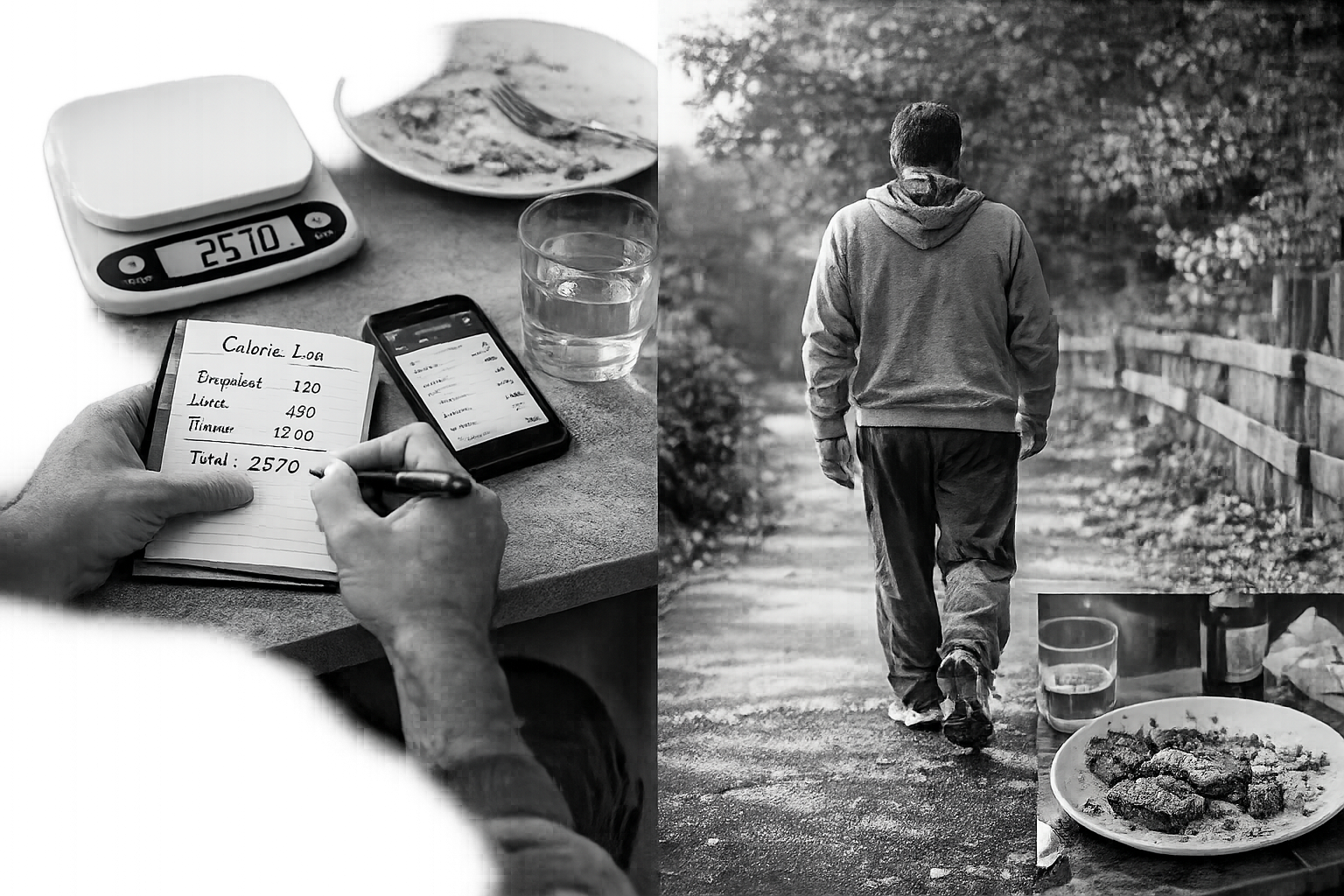
The boring middle of a 90-day plan is where people drift. This post names the moment, ties it to fasting + calories + walking, and gives concrete next steps.

Hard day in the ninety-day arc—extra carbs, rough mood, gray weather. Here is the FastNow move: close the story, protect the fast, walk, hit your normal calorie target tomorrow.
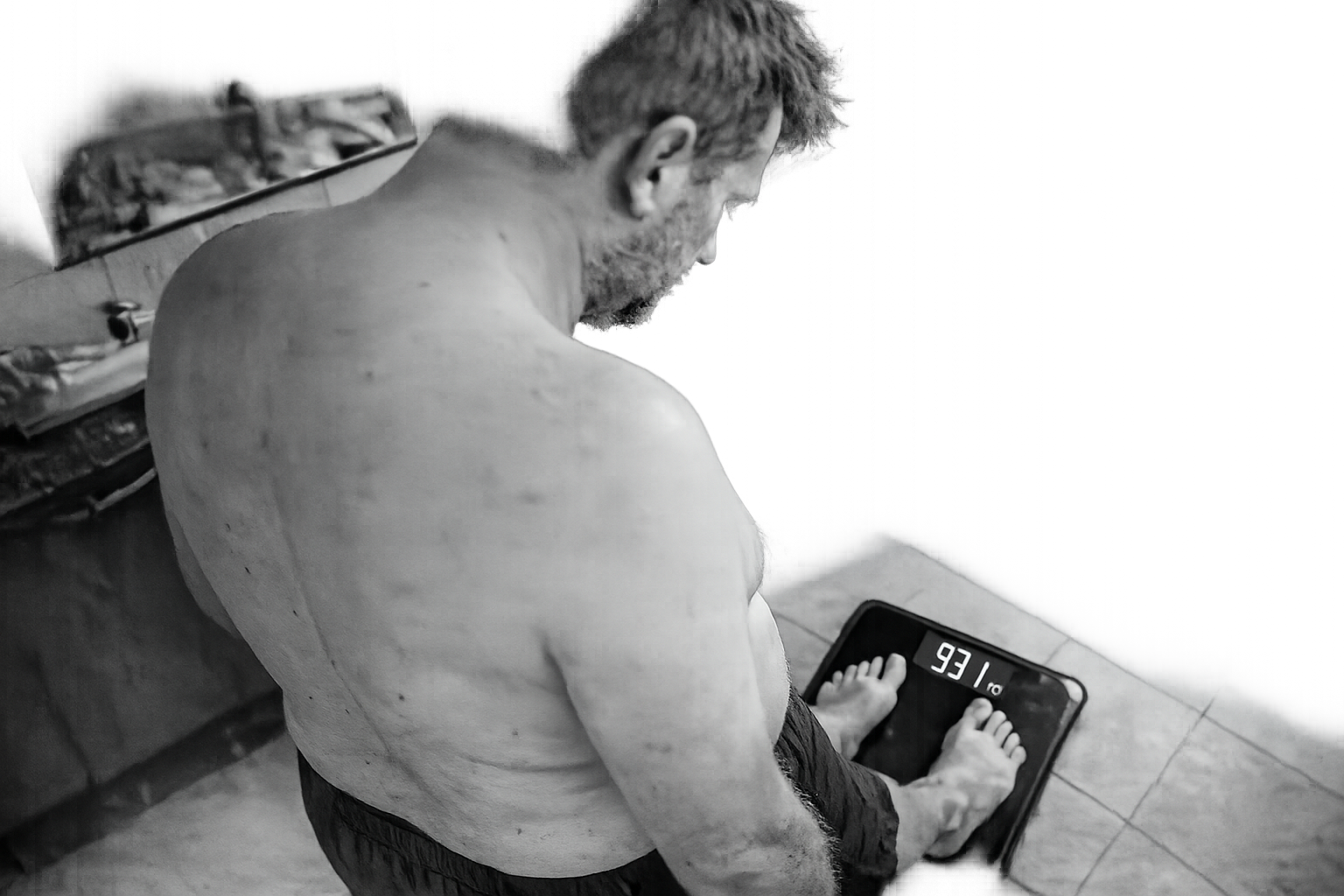
Mid-90-day reality check: stalls, doubt, then 93.1 kg after 96 kg—how FastNow’s fasting, calorie target, and walking turn patience into a visible break.

Early weight-loss momentum fades around day 16. Here is how to defend a real calorie deficit, keep your fasting window, and walk daily—without losing the plot.