Guide
Simple food is the tracking strategy
When weight loss is the priority, fix the food before you fix the app.
What weight-loss eating actually looks like.
People divide eating into a handful of basic strategies. FastNow uses four — the same four as in the app — so you can pick one that fits your goal without turning food into a research project. The calorie number still comes from your plan. The strategy only changes how those calories split across carbs, protein and fat.
Low Carb is the app default because it is the usual fat-loss split: enough protein, enough fat to stay full, carbohydrates low enough that they stop running the day. Same calorie number as any other strategy.
This usually fits if You are cutting, you want fewer starches, and you still want a diet you can live on.
At 1500 kcal
carbs
75g
20%
protein
131g
35%
fat
75g
45%
Example at 1500 kcal. Change the number in the calculator below.
Foods that fit this split
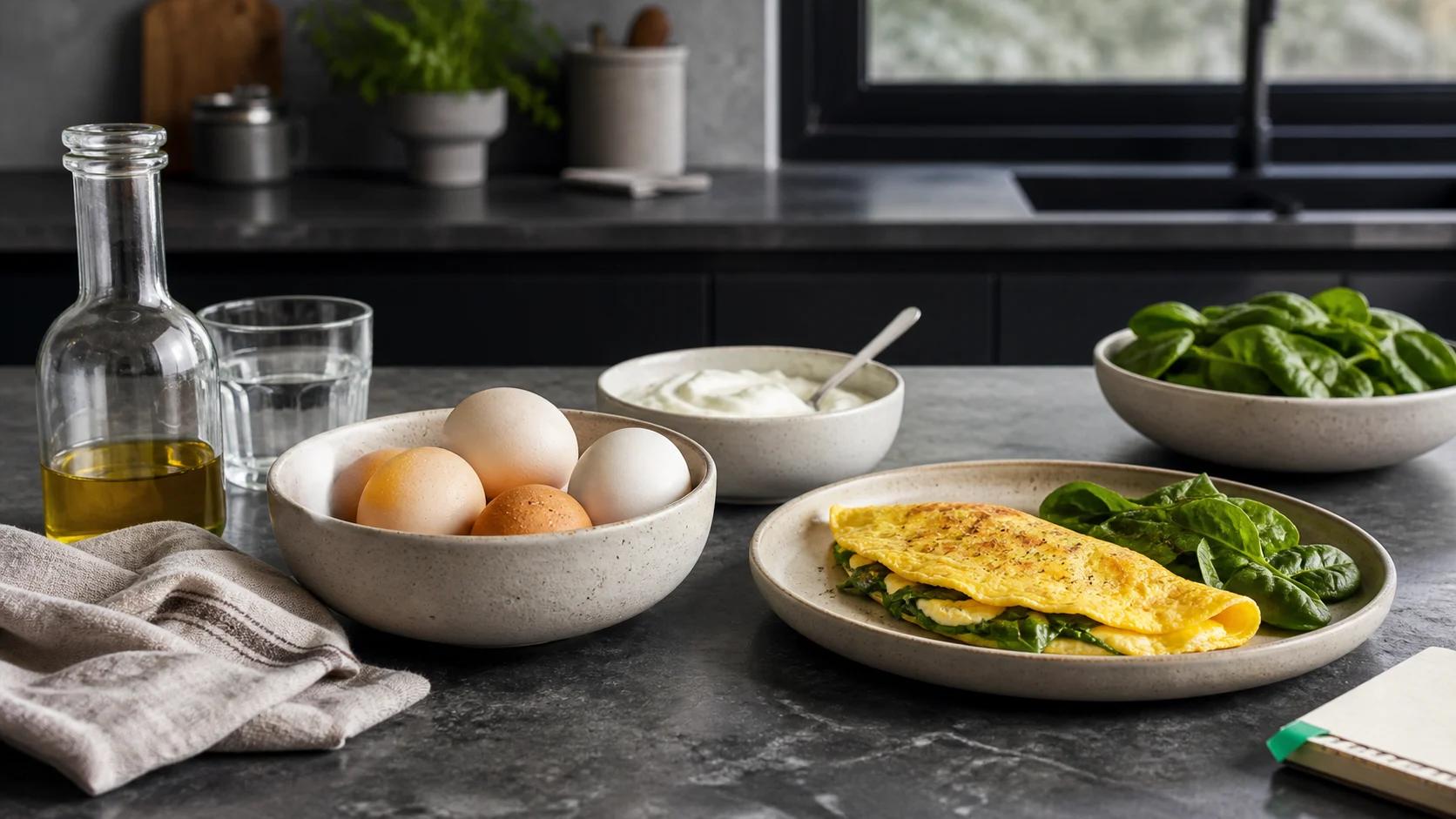
Eggs, meat, fish, vegetables; bread and rice less often.
This is the FastNow food calculator. Set a calorie number and it builds a day of food for the strategy you selected above.
Based on your FastNow target
2475 kcal/day · Low Carb

Ground Beef 90/10
125 g

Feta Cheese
60 g

Brie cheese
40 g
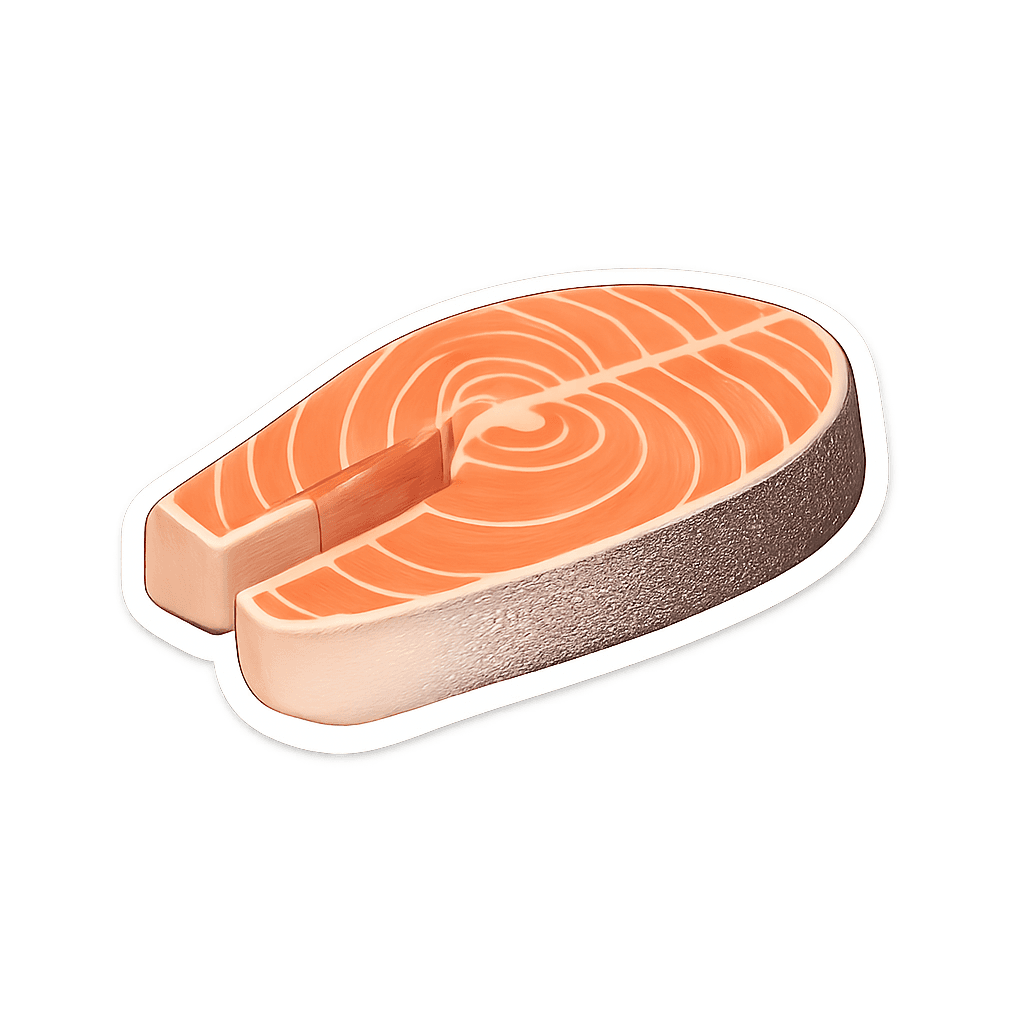
Salmon
125 g
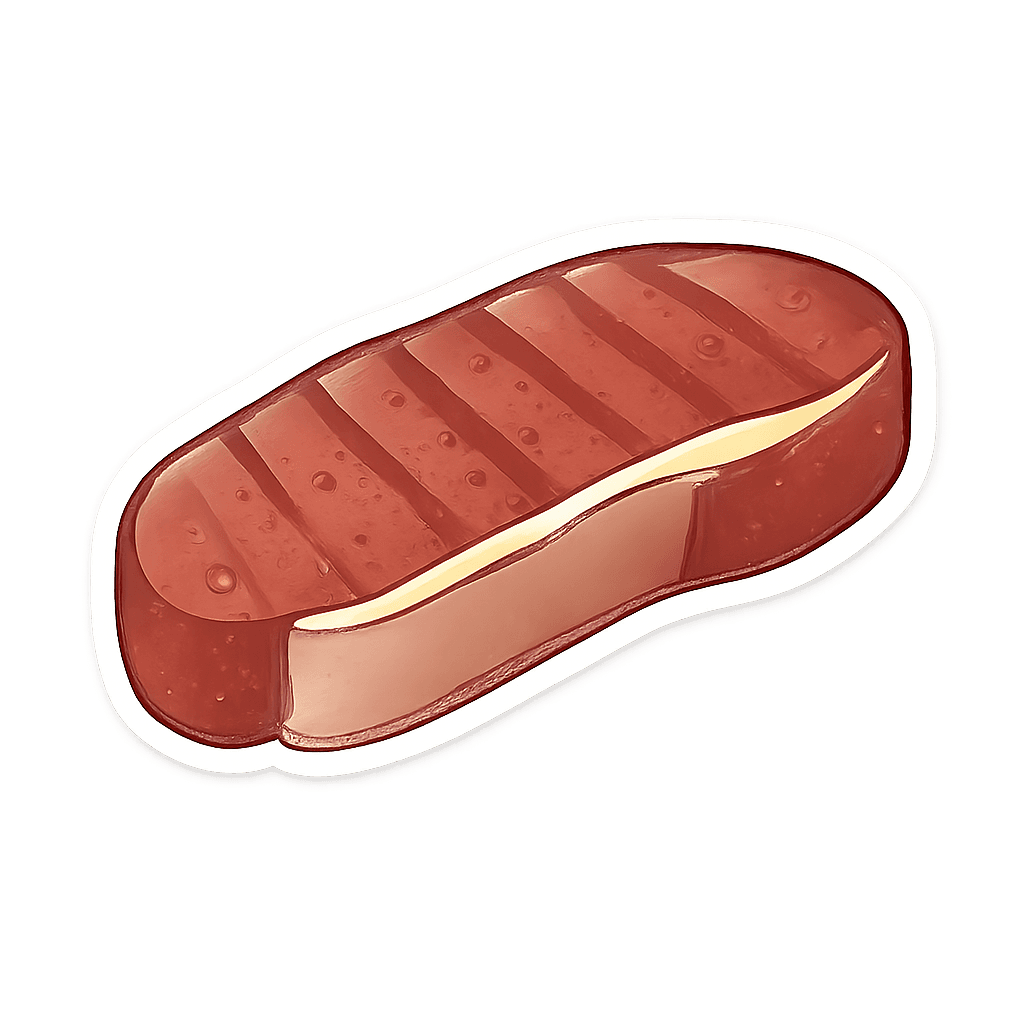
Beef Steak Sirloin
90 g
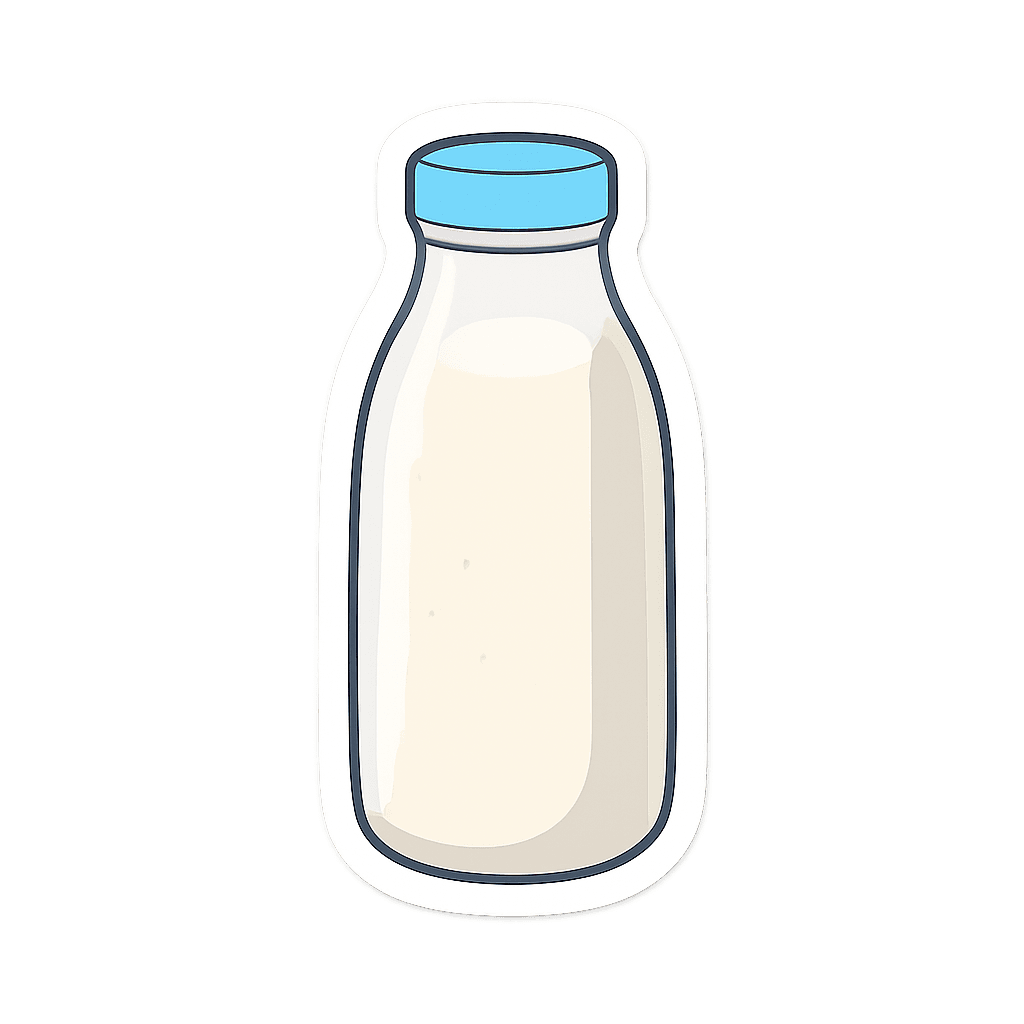
Kefir
225 g

Greek Yogurt 0% Fat
225 g

Egg
1½ units
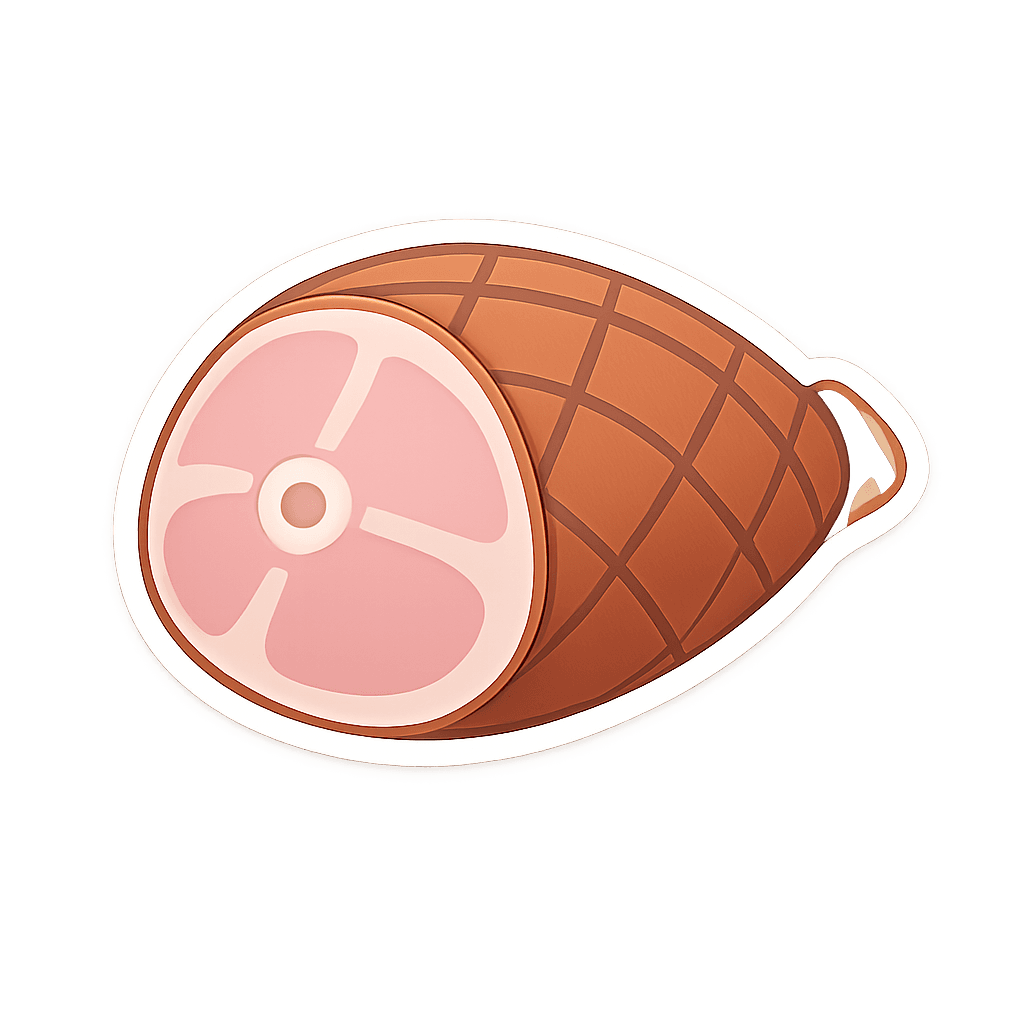
Ham
200 g
Chicken Breast
150 g

Cucumber
3 cucumbers
This is the same strategy picker as in the FastNow app. Pick it here or in the app. If you are signed in, the choice syncs.
The split you pick here writes the same carb, protein and fat gram targets the app uses. Change it later in either place.
When weight loss is the priority, fix the food before you fix the app.