Motivators
Explore proven motivators and open the full article for each one.
Before you choose
A motivator is the thing you put in front of yourself: a photo, an outfit, a future scene, a goal you can picture. But the picture only pulls if you know why it matters. The reason underneath it is your driver, and it's what keeps a target weight from going flat halfway through. Before you pick your motivators, it's worth getting clear on what you actually want them to hold for you.
Find Your DriverAll motivators

Autophagy Clean-Up
Fasting kicks off a natural cellular recycling process. Giving your system a long break from digestion is a chance for it to do some deep internal maintenance.

Be Looked At Again
Losing real weight changes the small social friction you meet every day. Getting that easy, normal attention back lets you stop overcompensating and just be present.

The Event Countdown
A hard date on the calendar takes procrastination off the table. Use a real milestone to force the start and build momentum.

Fix Insulin Levels
When insulin stays constantly high, your body is locked into a cycle of storage and cravings. Breaking that cycle gives your system a chance to reach its own energy reserves.

Fix Unexplained Symptoms
Skin flare-ups, reflux, snoring, aching knees: separate on the surface, often one pattern underneath. As the weight comes down, a lot of it can ease.

Mirror Wake-Up
You can manage a bathroom mirror with angles and lighting, but an unexpected photo tells the truth. Seeing yourself for real strips away the denial and forces a decision.

Regain Self-Respect
When your weight is off track, it rarely stays isolated. Taking control of your body is often the first step toward proving you can handle the rest.

Prove Them Wrong
Channel the sharp energy of wanting to prove the doubters wrong into daily consistency. The anticipation of their surprise can pull you through the hard early weeks.

Fit into a Size
Clothes are a real, tactile measure of progress, more reliable than the scale. Anchor your effort to a specific size you want to wear again.

Airplane Seat
Public spaces should not need a defensive strategy. This is about losing the dread of fitting into a tight seat.

Restore Everyday Ease
Carrying extra weight turns getting around into a small negotiation every time. The aim is a body where basic daily tasks just happen, without you thinking about them.

Heaviest in the Room
Walking into a room and instantly knowing you are the biggest person there is exhausting. That specific discomfort can become a clear reason to change.

Hiding in Clothes
Stop choosing clothes for how well they hide you. This is about getting back a wardrobe built on what you like.
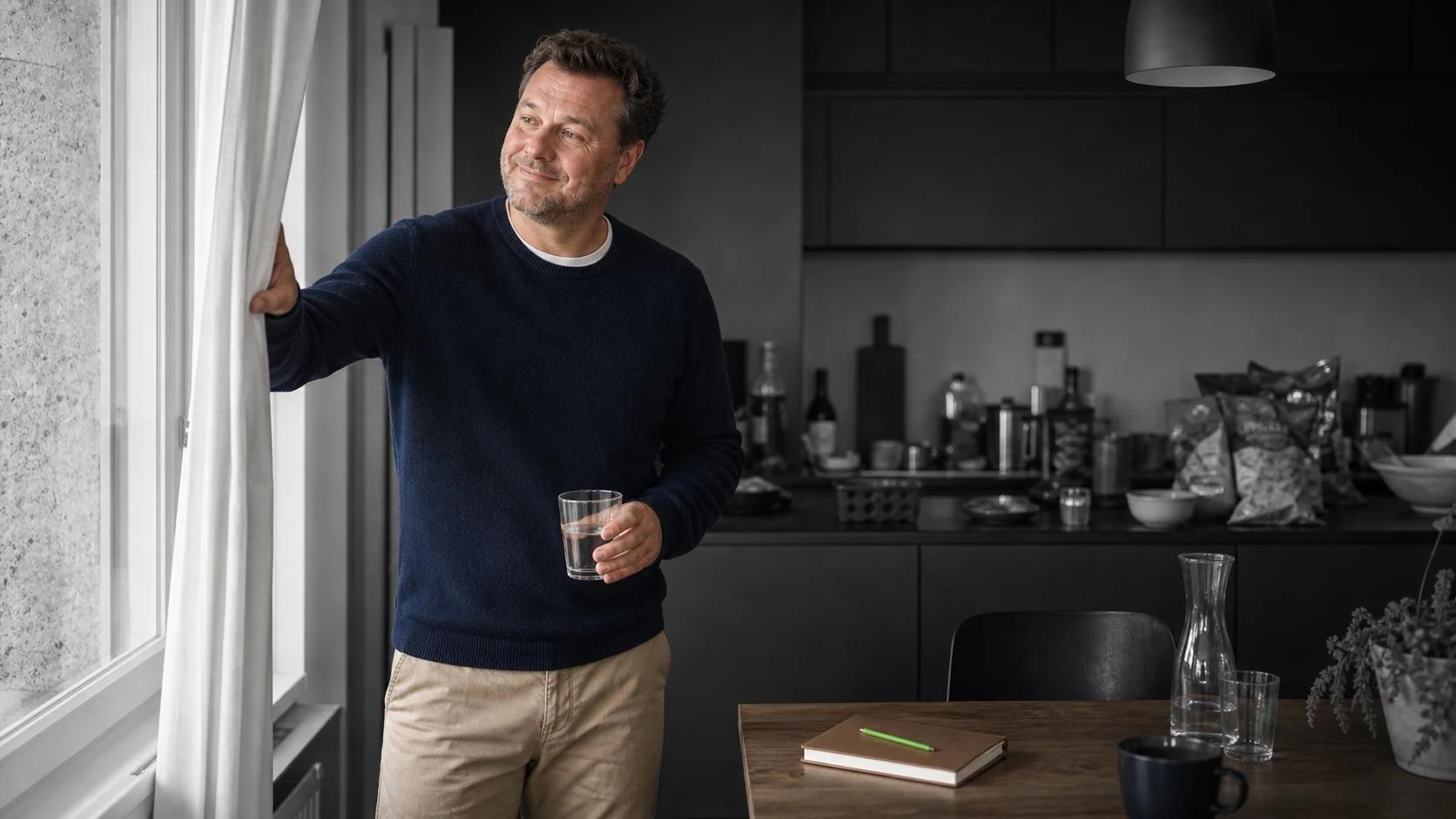
Where Did Your Energy Go
Gaining weight happens slowly, and so does the loss of your energy. The goal is simple: stop accommodating the constant drag and get your daily margin back.

No More Photos
Stop sliding to the back of the group or volunteering to take every photo. This is about being able to exist in the photos of your own life.

Joint Pain Warning
Appearance can be argued with. Physical pain cannot. When your joints start speaking up, your body is telling you something simple and mechanical: the load has become too much.

Food Runs Day
When food dominates your thoughts from morning to night, eating stops being a pleasure and becomes a chore. Getting your head back takes structure, not more willpower.
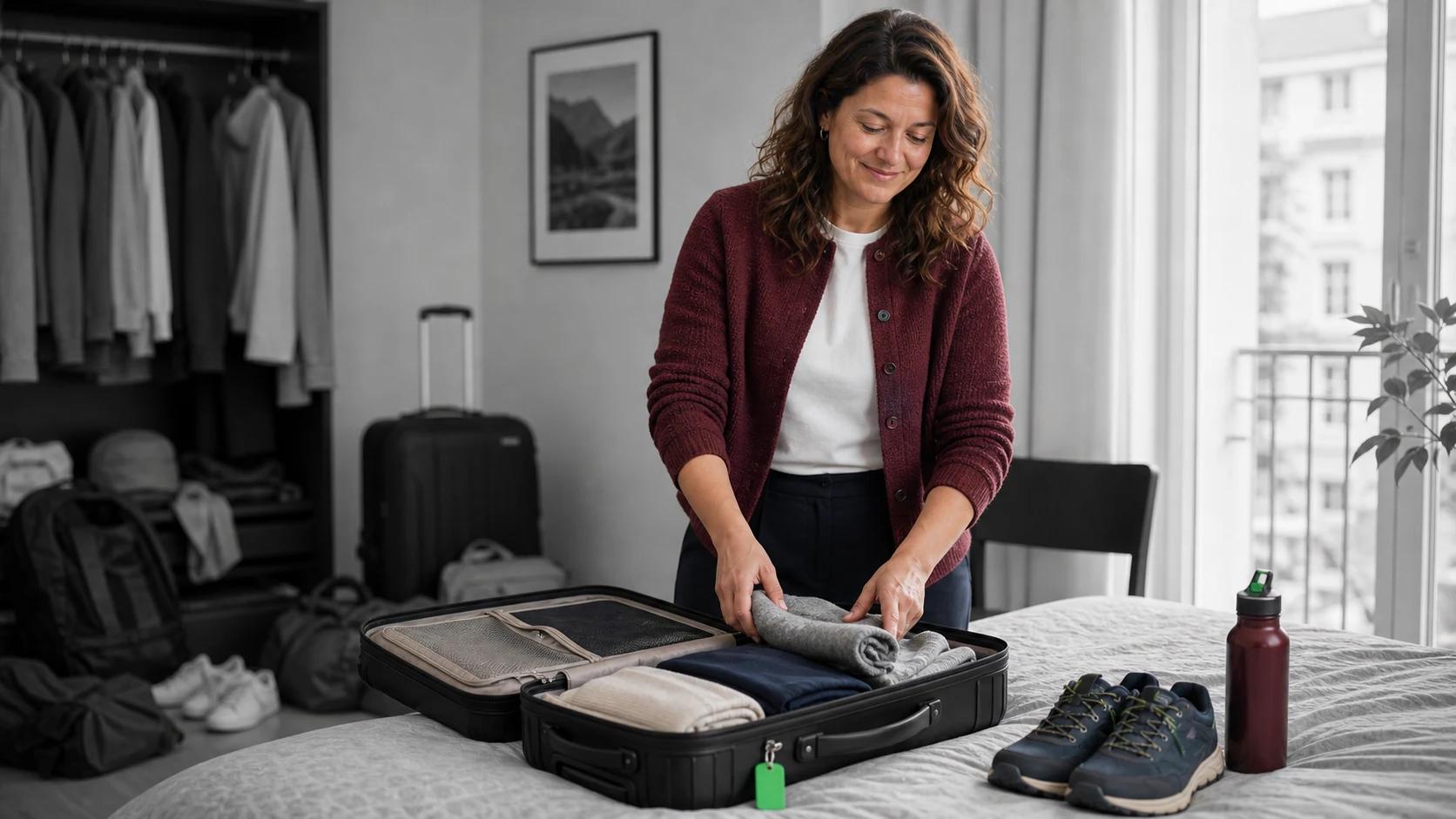
Travel Dread
Extra weight can turn a trip into a list of physical obstacles. This is about losing the dread that starts before you even leave home.
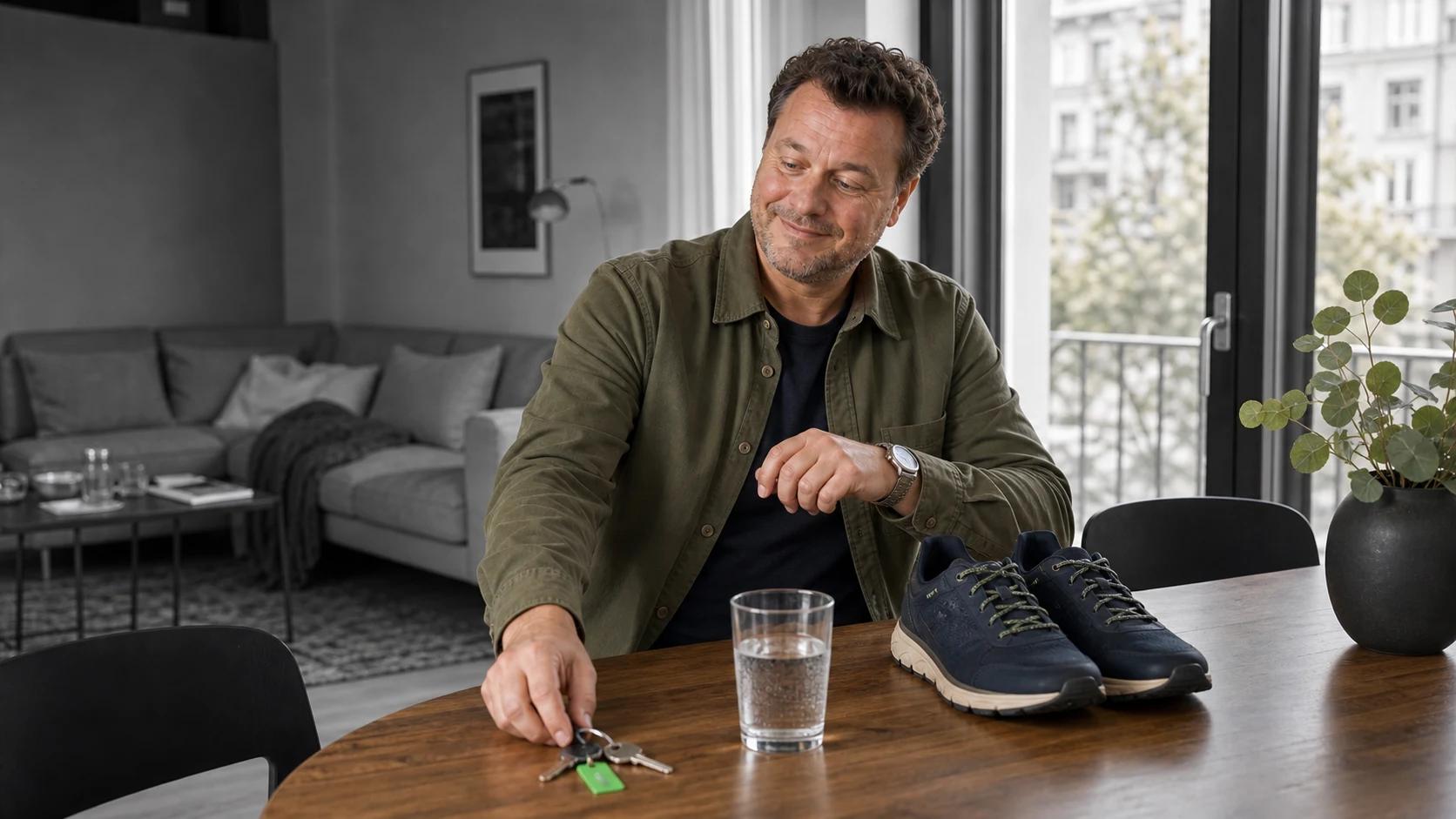
The Invisible Tax
Extra weight does not always announce itself as pain. Often it is a constant energy drain you pay just to get through a normal day.

The Ghost of the First Round
Re-entering a deficit is uniquely difficult when you have already lost weight in the past. You are not fighting an unknown target. You are reclaiming an identity you let slip away.

Strategic Secrecy
Looking for external applause creates a volatile dependency. Doing it entirely on your own turns the deficit into a private, uncompromised project.

Doing What You Said You'd Do
Strip away the scale, the food, and the vanity. What a ninety-day challenge really tests is whether your word to yourself still means something.

Background Noise Anxiety
Constantly checking whether a chair will take your weight, whether you will fit the booth, whether a seam will give, takes a steady toll. That low background dread can be a reason to change.

Sensory Overload
Extra weight turns plain physical existence into a loud, constant experience. Taking that friction away lets you live in your own body with far less drag.
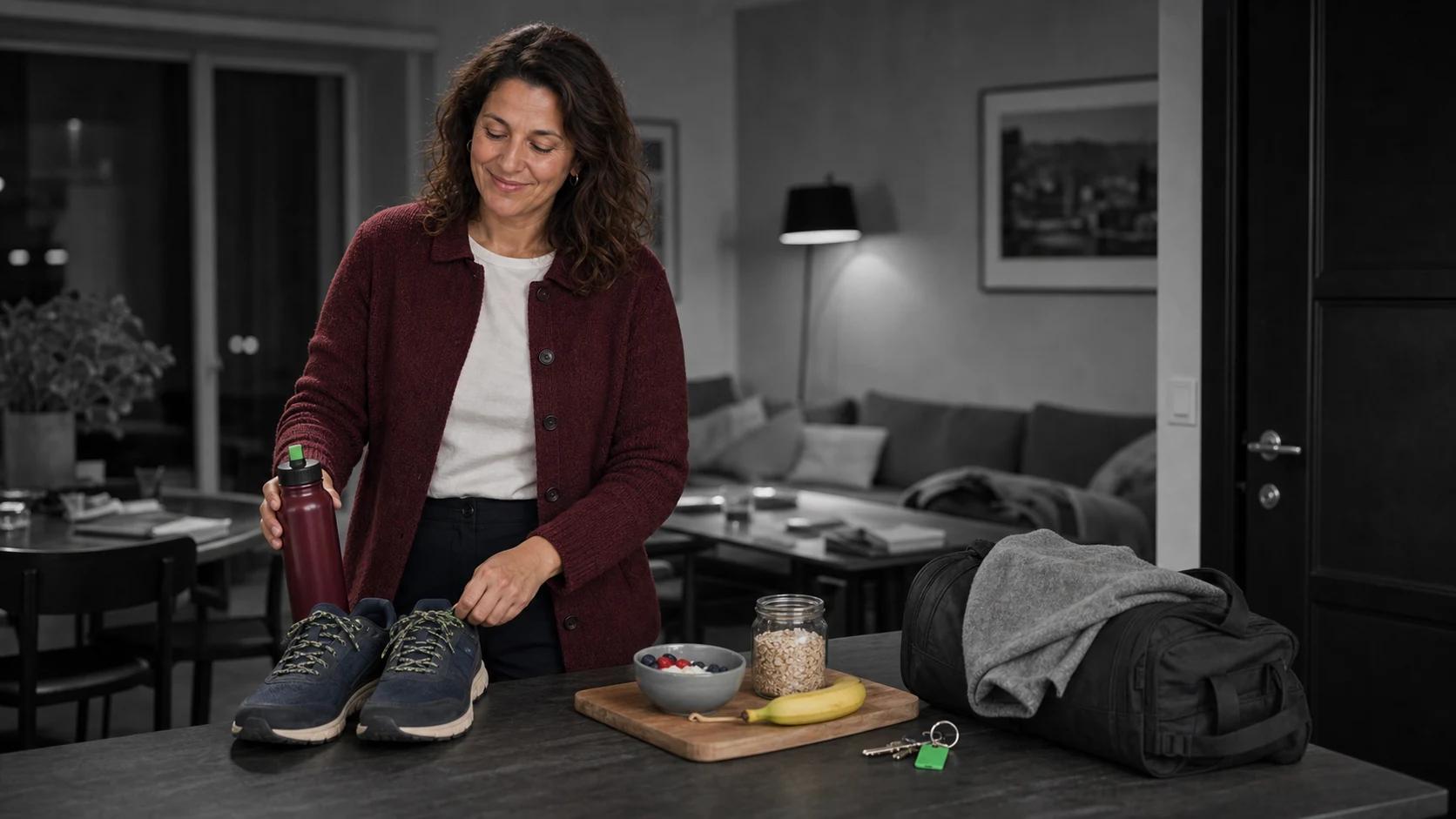
Protecting the Momentum
Once you have a clean week of execution behind you, the task changes. Now the job is protecting what you have already built.

Expand Mechanical Capacity
Real physical freedom is about capacity: the margin to say yes to demands without worrying about your stamina. Build a body you can rely on.

Secure Your Presence
Staying in a poor physical state is a gamble against the people who rely on you. This is about being functional, mobile, and present for the decades ahead.

Reclaim Physical Command
There is a real confidence in knowing your mind is in charge of your body, not the other way around. This is about taking back control of your own actions.
Continue with structure

Protocol Overview
Use the three-phase structure to convert motivation into daily execution.

Guide Library
Read practical playbooks for fasting, deficit, walking, and consistency.

App Features
Open feature pages and turn intentions into measurable daily actions.

Foods
Use repeatable meal structures that support your plan under pressure.