Loading…
Loading…
How to set up your kitchen, fridge, and shopping so losing weight gets easier. Remove the food, remove the problem.
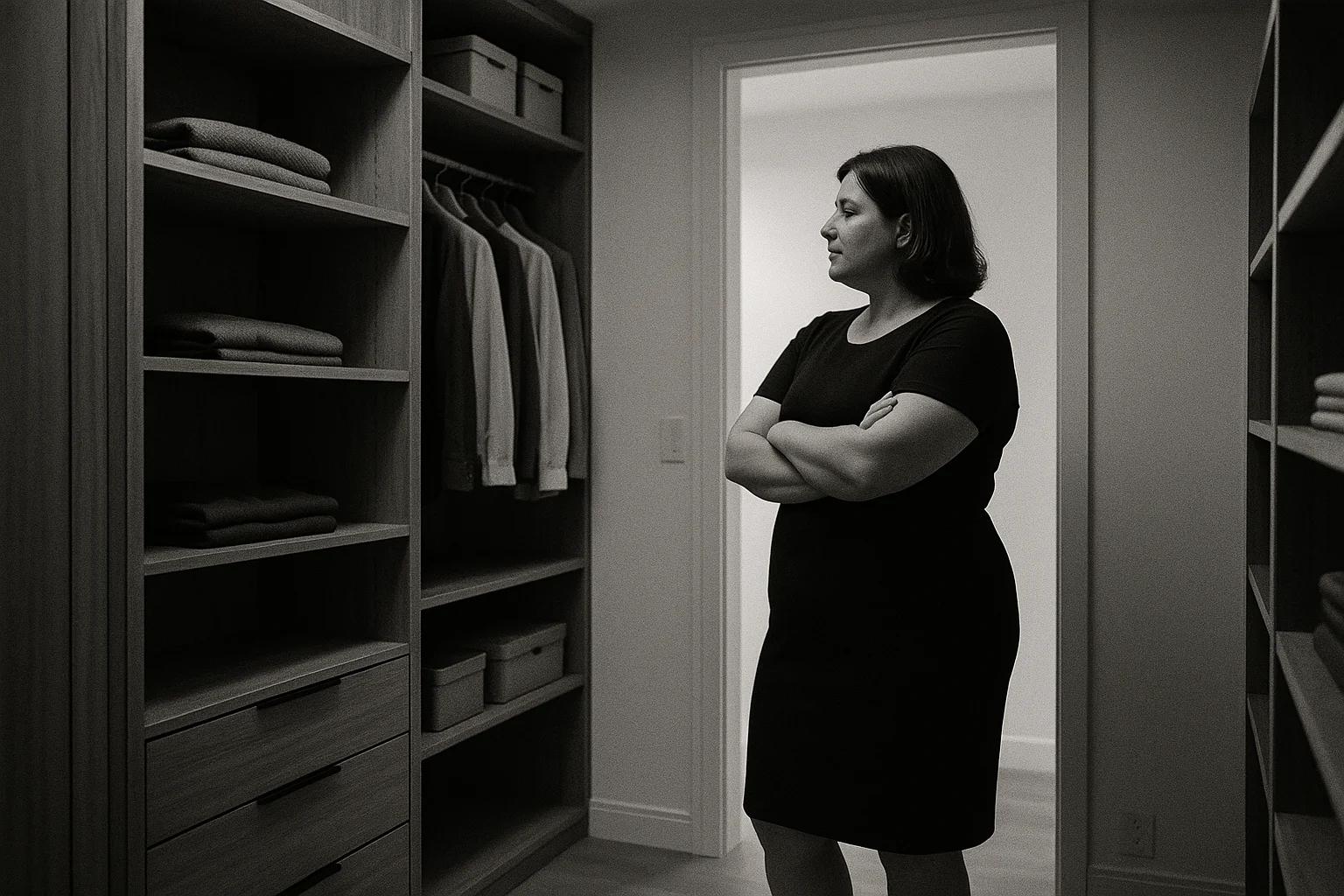
Your food environment determines how hard or easy losing weight feels on any given day. This article covers how to set up your kitchen, fridge, and shopping habits so you're not fighting your own house.
Years ago, I watched 50 Cent give a tour of his house. When he opened his fridge, it had nothing but bottled water. He explained it was his strategy to avoid slipping into bad habits. It sounded extreme. Then I tried it.
When I started losing weight, the first thing I did was empty my fridge. Only drinks stayed inside. This one change reduced the constant pull toward food that kills every cutting attempt. Instead of walking ten steps to the kitchen and grabbing something, you now have to leave the house to buy food. That gap between impulse and action is enough to stop most bad decisions.
You don't need iron willpower if the food isn't there. Remove the food, remove the problem.
People overestimate their self-control, especially at home. You come back from a long day. You're tired. The kitchen is right there. If there's cheese, crackers, leftover pasta, or a bag of chips on the counter, you will eat it. Not because you're weak. Because you're human.
The real issue isn't one bad decision. It's the hundreds of micro-decisions you face every day. Every time you walk past the kitchen, every time you open the fridge, every time you see food on the counter, your brain asks: "Should I eat that?" Each "no" costs you energy. Eventually you run out of "no."
A 300-calorie deficit can vanish from a single unplanned snack. One forgotten log. One handful of nuts while cooking. The difference between losing weight and staying stuck often comes down to one or two food choices per day. You don't fight that battle by being stronger. You fight it by removing the battlefield.
The fix isn't more discipline. It's fewer decisions. Remove entire categories of food behavior from your home instead of trying to moderate them one item at a time.
An empty kitchen sounds clean, but you need something for the moments when hunger hits hard. Late at night. After an emotional spike. When a sudden carb craving shows up out of nowhere.
Two foods saved me over and over: eggs and cheese.
Four or five eggs with salt takes about five minutes to make. It kills the craving, fills you up, and doesn't blow your calorie target. The combination of fat and protein is satiating in a way that fruit or bread never is.
Cheese works the same way during the day. It prevents the spike-crash-crave cycle that happens when you eat carbs on an empty stomach. If you eat fruit first thing in the morning on an empty stomach, your appetite explodes. If you eat eggs or cheese first, everything stays balanced.
Keep eggs and cheese stocked. Throw everything else out if you can.
Some people avoid diet sodas. I rely on them. Pepsi Zero or Coke Zero serve two purposes for me.
First, they give you taste and texture when you're craving something sweet. That craving doesn't always mean you need food. Sometimes your mouth just wants stimulation.
Second, they fill the psychological gap that food used to occupy. When you're working and your brain wants a break, a cold soda replaces the trip to the kitchen for a snack. No calories. No damage. Just enough to reset the impulse.
This isn't for everyone. But for me, zero-calorie sodas became a third line of defense after eggs and cheese.
If you live alone, the empty fridge works perfectly. If you live with family, a partner, or roommates, your environment is shaped by other people's habits.
Smells from someone else's cooking. Snacks left on the counter. Shared meals with portions you didn't choose. Social eating where saying "no" feels awkward. These aren't theoretical problems. They happen every day.
You can't control what other people eat. But you can carve out space:
People will question your choices. Some will joke. Some will express concern. The goal isn't to isolate yourself. It's to have enough structure that other people's habits don't pull you off course.
How you shop changes when you take this seriously. During my early cutting phase, I bought small single-serve items. Individual yogurt cups. Sliced salami. Processed protein sources. Everything was about immediate needs and anxiety.
Seven months in, my shopping looked completely different. I bought in bulk: a 1 kg container of yogurt instead of five small cups. Whole cuts of salmon. Ten to twelve eggs at a time. Cabbage, cucumbers, bell peppers. Cheese chosen to enhance meals, like Brie for omelets.
Ultra-processed foods gradually disappeared from my cart. I didn't make a rule about it. I just stopped being interested. The shift happened because my cooking replaced my coping. I wasn't shopping to survive the next craving. I was shopping to prepare real meals.
Having pre-cooked eggs in the fridge at all times is environment design. It's not willpower. It's making the right choice the easy choice before the craving even shows up.
The shift from "allowed vs. forbidden" thinking to "what am I building meals from" changes your relationship with food. You stop seeing the store as a minefield and start seeing it as a supply run. Curiosity replaces compulsion. You try cooking a cabbage and chicken stir-fry. You experiment with different cheeses in your omelets. Food becomes something you build, not something you resist.
Every food decision costs you energy. The goal is to make as few food decisions as possible.
One or two food choices can be the difference between losing weight and staying stuck. A 300-calorie snack you didn't plan for can erase your entire deficit for the day. A forgotten log can turn a cutting day into a maintenance day.
The difference between people who lose weight and people who don't isn't motivation. It's environment. Make your environment do the work.
How other people react when you lose weight. What to expect and why their opinions are about them, not you.
Why walking beats the gym for fat loss. How 90 minutes a day burns 400-500 calories and protects your deficit.
Why weight comes back after losing it, what actually causes rebound, and what maintenance teaches you about your real limits.
Weight loss is never linear. Why plateaus happen, what the whoosh effect is, and when to trust the scale.