Loading…
Loading…
Fasting does not magically erase appetite. Here is how hunger actually behaves, how FastNow stacks fasting, calories, and walking, and what to do in the next 48 hours.

You are standing in the kitchen, clock-watching, asking a blunt question: If I fast, shouldn’t I feel less hungry? Social media loves a clean story—fast once, appetite vanishes, discipline becomes effortless. Real life is messier. Some days hunger is a whisper. Other days it shows up like a bill you forgot to pay: loud, specific, and right on time.
That inconsistency is not a personal failure. It is how a nervous system that evolved for scarcity responds when you change meal timing, calorie load, and movement all at once. Hunger is not a single dial. It is a bundle of signals—habit, hormones, sleep debt, stress, caffeine, hydration, and what you ate yesterday. Fasting changes several of those inputs. Sometimes the net effect is less urge to graze. Sometimes it is different hunger: sharper peaks, quieter valleys, or hunger that arrives later in the day instead of at breakfast.
The myth you are bumping into is the word always. Nothing in behavior change always behaves. What matters for FastNow is whether you can hold a simple structure long enough for the 90-day arc to work—without turning every hunger pang into a referendum on your character.
Here is what I have seen in my own runs and in people who want a real plan, not a pep talk: the first week is rarely “silent appetite.” It is adaptation. Your body is learning new meal timing, your brain is unlearning automatic reaches for food-as-distraction, and your steps are quietly changing how tired or wired you feel by evening. Hunger might dip on some days and poke you hard on others. That mix is exactly why FastNow does not hinge on a single slogan like “fasting kills hunger.” It hinges on repeatable behaviors you can track even when mood and appetite refuse to stay linear.
FastNow does not sell you a fantasy where fasting erases appetite. It gives you a structured 90-day protocol built from three behaviors you can actually repeat: fasting, calorie control, and daily walking. No abstract “wellness.” No stack of contradictory rules. You get a lane, you stay in it, and you adjust with data instead of drama.
Fasting sets boundaries on when you eat. That alone can change how hunger shows up—often by unhooking you from automatic morning eating or late-night grazing. It does not promise that you will never feel hungry. It promises a container: clear start, clear stop, fewer decision spirals.
Calorie control keeps the math honest. Hunger is easier to interpret when you are not constantly wondering whether you “accidentally” ate your whole deficit in snacks. FastNow keeps the target visible so you are not negotiating with yourself in the dark.
Walking is the third leg on purpose. It is not punishment cardio. It is a steady, low-drama way to support the deficit, improve mood and focus for a lot of people, and burn off some of the restlessness that people misread as “I must eat now.”
None of this requires you to pretend you are a robot. It requires you to trust a simple stack more than you trust the loudest impulse in the room. When hunger shows up, you already know what your job is: protect the window, hit the target, move your body once in a way you can repeat tomorrow. That is how the protocol stays boring on purpose—because boring scales.
If you want the full map of how those pieces fit together, read the protocol. It is written the way I run it: start simple, stay consistent, let the results argue for the system.
When hunger and fasting collide, you do not need a philosophy. You need a sequence. Use this.
Name what you are feeling. Is it head hunger (boredom, stress, habit) or stomach hunger (hollow, steady)? If you cannot tell, drink water, wait fifteen minutes, and take a ten-minute walk. Re-check. You are not trying to “beat” hunger—you are trying to respond with one clear move instead of five chaotic ones.
Lock your eating window to the plan. If today is a fasting day, do not negotiate the window mid-morning. Finish the fast you committed to, then eat a meal that matches your calorie target—not a “reward” that erases the point of the structure.
Hit your calorie target without heroics. If you are supposed to be in a deficit, pick simple foods you can repeat. Protein plus volume foods (vegetables, salad, soup) beats a day of tiny snacks that never register as a meal.
Walk once today, intentionally. Not to earn food. To stabilize energy and give your brain something to do besides scan the fridge. If you want the install path in one place, use onboarding and get the free app on your phone so you are not relying on memory.
Pre-commit tomorrow. Set your fast window and meal plan before you are tired. Tired is when the myth—“fasting should have fixed my hunger by now”—turns into a bad decision.
If you are ready to stop reading and start, grab the app from download. The whole point of FastNow is to remove hesitation: free, structured, built for people who are done with complexity.
No. It often changes when and how hunger appears, and many people feel less “background grazing” once they break the snack habit. But you can still have strong hunger—especially early on, during stress, or after poor sleep. The protocol is built for that reality, not for a fairy tale.
Not automatically. Hunger is information, not a scorecard. What matters is whether you can execute your plan without turning every uncomfortable hour into a reason to quit. That is why calorie targets and walking matter: they keep the system honest when feelings fluctuate.
Feeling hungry is normal human wiring. What matters is intensity, context, and safety. If you have medical conditions, take medications that require food, are pregnant, or have a history of eating disorders, talk to a qualified clinician before pushing aggressive fasting. FastNow is a structured behavior plan, not a replacement for personal medical advice.
FastNow is not about ignoring your body. It is about stacking three behaviors so you are not making every decision from scratch. Fasting gives structure, calories give clarity, walking gives stability. That is a different game than white-knuckling willpower.
Intermittent fasting is one tool inside a clear system—not a personality trait you have to worship. If you want the entity-level view of how fasting fits into the FastNow approach, read the intermittent fasting hub and connect it back to the protocol.
If you have tried apps that turned health into a second job, this is the opposite. FastNow is founder-led, experience-backed, and built to be free in phase one so you can start without negotiating with your wallet. The next step is simple: pick the window, pick the plan, take the walk—then let the work compound.
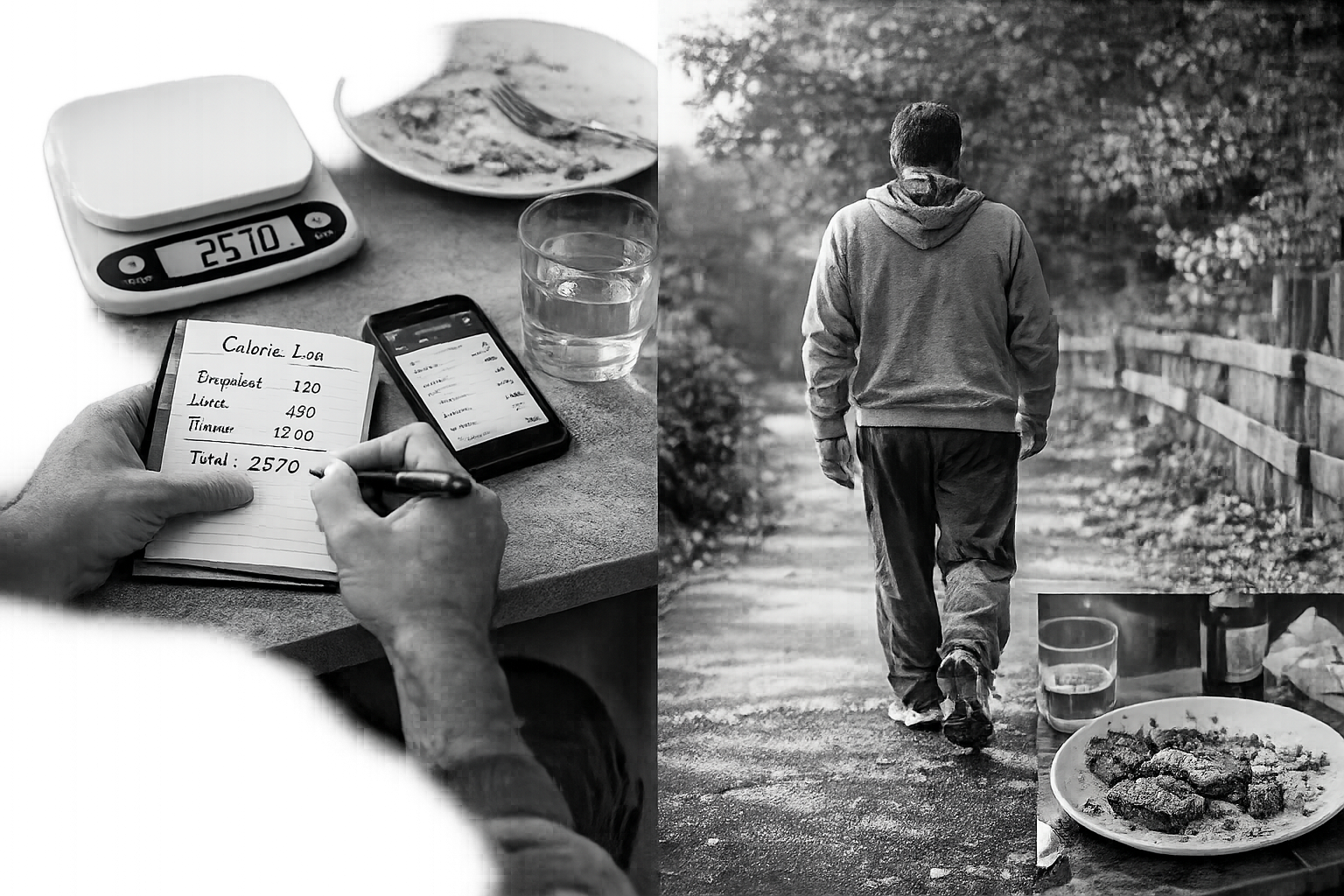
The boring middle of a 90-day plan is where people drift. This post names the moment, ties it to fasting + calories + walking, and gives concrete next steps.

Hard day in the ninety-day arc—extra carbs, rough mood, gray weather. Here is the FastNow move: close the story, protect the fast, walk, hit your normal calorie target tomorrow.
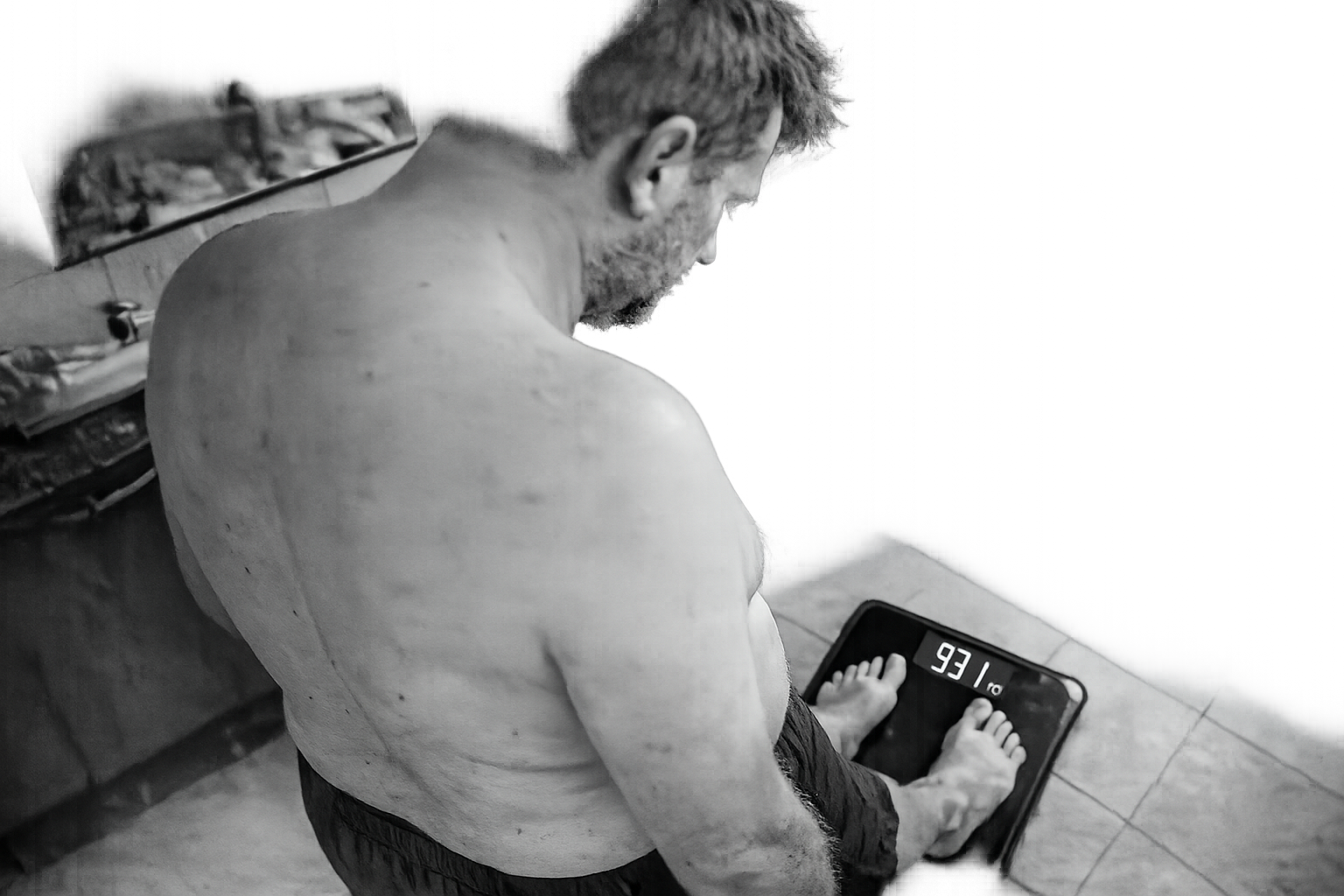
Mid-90-day reality check: stalls, doubt, then 93.1 kg after 96 kg—how FastNow’s fasting, calorie target, and walking turn patience into a visible break.

Early weight-loss momentum fades around day 16. Here is how to defend a real calorie deficit, keep your fasting window, and walk daily—without losing the plot.