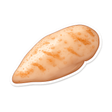
Chicken Breast
165 kcalP: 31gC: 0gF: 3.6g
Choose lower-carb options without overcomplicating execution.
Everything you eat breaks down into three macros: carbohydrates, fat, and protein. Each one does something different in your body. During a cut, understanding those differences is the difference between losing fat and losing muscle, between staying full and chasing cravings all day.
Carbohydrates are the fastest energy source your body has. They spike blood sugar, trigger insulin, replenish glycogen stores, and make energy available almost immediately. You feel quick, alert, activated.
That speed is the problem during a cut.
When glycogen stores are already full and you are not burning much energy, extra carbs do not just add calories. They make you hungrier. The spike-crash-crave cycle is real. Blood sugar goes up fast, insulin drives it back down, and 90 minutes later you are reaching for more food. Not because you need it. Because the crash creates a signal that feels like hunger.
Fruit is a good example. I like blueberries. But eating fruit on an empty stomach, especially something high in fructose like grapes, triggers an appetite explosion. Two hours later I want to eat everything in the kitchen. Compare that to starting with eggs and cheese. Same calories, completely different response. The protein and fat hold you. The fruit sets off a chain reaction.
During a cut, I keep carbs between 20 and 40 g per day. At 20 g you eat very repetitively. At 40 g you get more variety. Some people can go up to 75 g and still stay in a fat-burning zone. The lower you go, the less the cravings bother you.
Fat digests slowly. It sits in your stomach longer, delays gastric emptying, and triggers satiety hormones. Where carbs make you feel activated, fat makes you feel grounded. Calm. Done eating.
That is why fat works so well during a cut. It does not create cravings the way carbs do. A 125 g slice of Brie gives you 400 to 500 calories of stable energy. You eat it, you feel full, and two hours later you are still not thinking about food.
Fat is also calorie-dense. One gram of fat is 9 calories. One gram of carbs or protein is 4. So small amounts of fat carry a lot of energy. That is useful when your total intake is low. It is also risky if you combine fat with carbs. Pizza, pastries, fries. These combinations bypass your fullness signals. You eat past what your body needs without noticing.
Your body needs a minimum amount of fat for hormonal balance. Go too low and you get persistent hunger, poor vitamin absorption, and hormonal disruption. During a cut, fat is not the enemy. It is the thing that keeps you from breaking.
Protein is not primarily fuel. It is structure. Your body uses amino acids to maintain muscle, produce enzymes, regulate hormones, and support your immune system. During a cut, when your body is under caloric stress, protein is what prevents it from breaking down muscle tissue for energy.
There is a concept called protein leverage. If your protein intake is too low, your body keeps sending hunger signals until the protein need is met, no matter how many total calories you have eaten. You can eat 2,000 calories of carbs and fat and still feel hungry if there was not enough protein in there.
My daily target is about 130 g of protein. That is a lot. You need real protein sources to hit it. Eggs, salmon, chicken, Greek yogurt. Without at least one solid animal protein source per day, I cannot get close. Four or five eggs in the evening is my go-to when nighttime hunger hits. They work every time.
You can survive on low-carb. You can survive on low-fat. You cannot function well on low-protein. It is the one macro you cannot safely cut.
Here is what happens when carbs dominate your meals during a deficit.
You eat something carb-heavy. Blood sugar rises fast. Insulin kicks in and drives it back down. The crash arrives. Your body reads the drop as an emergency. It sends a hunger signal. You eat again. The cycle repeats.
This pattern is strongest with simple carbs and sugars. A bowl of sweetened yogurt or a handful of grapes can start it. Once it starts, willpower cannot compete. You are fighting your own blood chemistry.
When I switched to starting my day with soft cheese and eggs instead of fruit or yogurt, the pattern stopped. Not gradually. It just stopped. The first meal set the tone for the entire day.
Stress eating is real, but it is not just emotional. Stress can be metabolic, neurological, or systemic. Your body responds to all types of stress by seeking quick energy. Carbs provide that faster than anything else.
When you are sleep-deprived, over-stressed, or under-recovered, your body does not want salmon and cucumbers. It wants bread, sugar, potatoes. Not because you are weak. Because carbs provide broad, fast relief across multiple stress systems at once.
The problem is that the relief works so well your body keeps reaching for it even after the actual need is gone. What starts as a corrective response becomes a habit. The tricky part: "I need carbs because I am depleted" and "I want carbs because they feel good" are almost impossible to tell apart in the moment.
After months of low-carb eating, I reintroduced carbs. Within days, my weight jumped from 91 kg to 94 kg (200 to 207 lbs). Mornings felt sluggish. I felt bloated. The taste was great, but the overindulgence was automatic. Carbs are a tool, not a daily staple during a cut.
Macros are not independent dials. The conversion is fixed:
If you eat 1,500 calories per day and set protein at 130 g (520 calories) and carbs at 40 g (160 calories), you have 820 calories left. That is about 91 g of fat. Change one number and the others move. Increase fat and something else shrinks. Cut carbs and fat or protein must fill the gap.
This is not ideology. It is arithmetic. Once you see it that way, food choices get simpler.
Foods currently mapped to this topic from the reference food library.
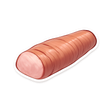
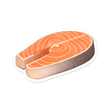
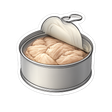

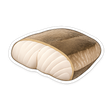

Open the linked topic overview.
Track protein and carbohydrate intake together with a simple daily view that keeps both targets in check.
Log meals once, reuse them daily, and keep your calorie intake tied to your target in one place.

What carbs, fat, and protein actually do in your body during a cut. No moral labels, just mechanics.
Refined, low-satiety carbs are usually the easiest place to start. Sugary drinks, pastries, chips, candy, and large portions of bread or snack foods often add calories fast without giving much fullness back. The goal is not to fear all carbs. It is to reduce the ones that are easiest to overeat.
No. It only becomes useful for fat loss if the overall calorie intake stays controlled. Many people cut carbs and then add large amounts of cheese, oils, nuts, and fatty sauces, which can keep calories high even if carb numbers are lower.
Usually no. A lot of people do well with controlled carbs rather than zero carbs. That means using a daily ceiling, choosing carbs more deliberately, and making sure protein still anchors the meal. Moderate control is often easier to keep than extreme restriction.
Keep the decision simple and visual. Build the meal around protein first, keep side choices more deliberate, and avoid stacking bread, fries, dessert, and drinks into one giant meal just because the setting feels special. Social eating goes better when you walk in with a rule instead of trying to improvise at peak hunger.
It means you decide in advance what range keeps appetite and calories under control for you, then use that as a guardrail. The exact number varies, but the principle stays the same. Carbs are measured and limited enough to keep the day stable, not removed so aggressively that the plan becomes hard to live with.