FastNow

Foods

What weight-loss eating actually looks like.

Most people try to fix calorie tracking by getting better at tracking complex meals. That is the wrong problem.

A serious cut is a bounded period — 60, 90, 120 days. During that time, food becomes functional. The question stops being what you feel like eating and becomes what you can measure without thinking.

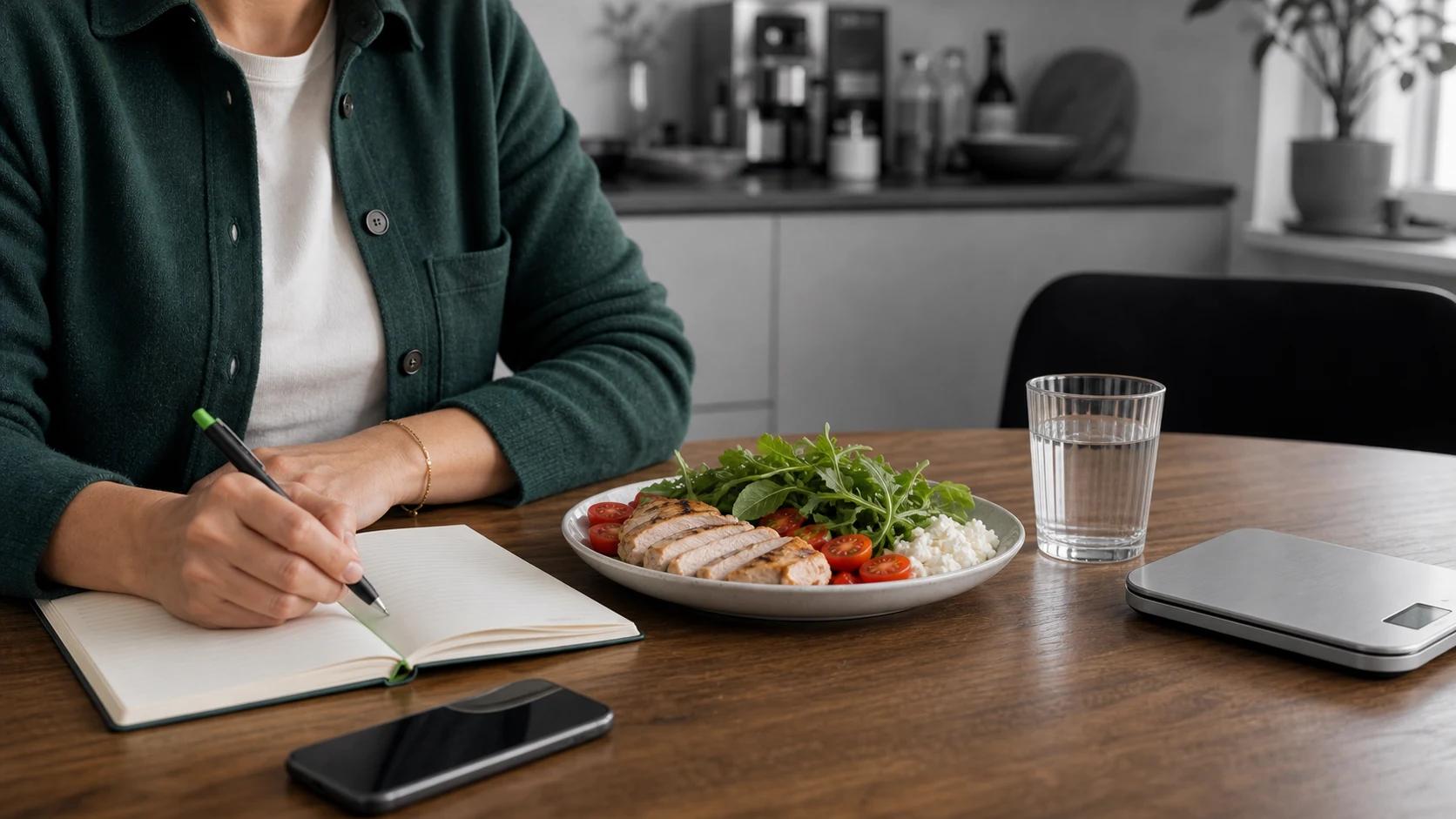
That usually means 15 to 20 foods. Add each one to the app once. Reuse it in different quantities. Add a new food only when you actually need one. The small library does the heavy lifting. Tracking becomes easy because the food became simple first.

This is the cutting phase. Maintenance is different — food gets more varied on purpose, and approximate tracking is fine. But during the cut, simplicity is the strategy.

What does a 1,500 kcal day look like?

Once you know how many calories you can spend — roughly 1,500 kcal if you are in a steady deficit — it helps to see what that actually fits on a plate. Play with the target and watch the combinations change. These are rough templates, not prescriptions.

kcal
Total 0 kcal
No combination generated.
See the 13 foundation foods

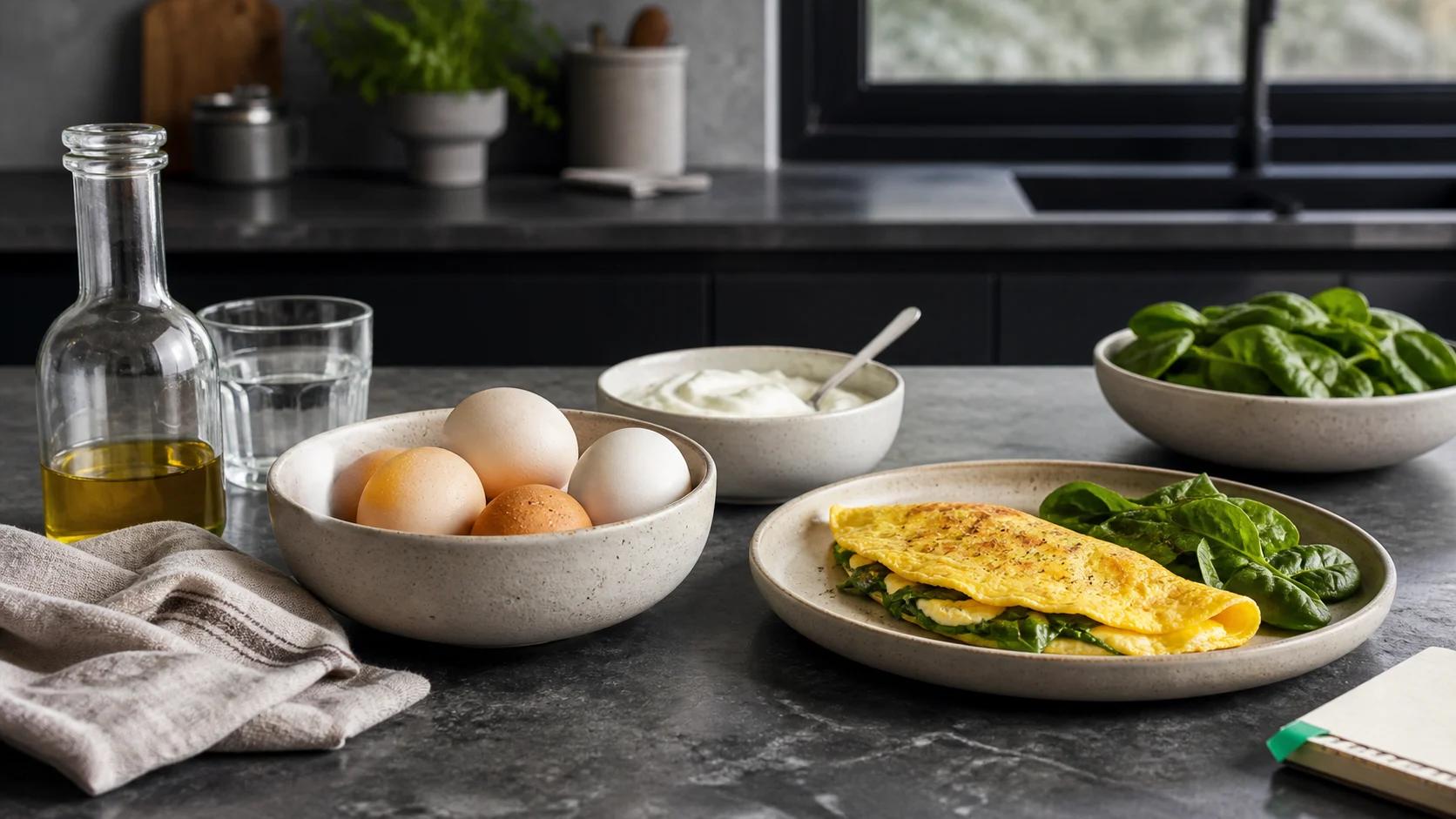
These 13 foods cover almost every meal you need to lose weight. Protein sources, a few simple vegetables, a pickle. Buy them, rotate them, repeat. You can add others, but you can succeed on just these if you are willing to be strict.

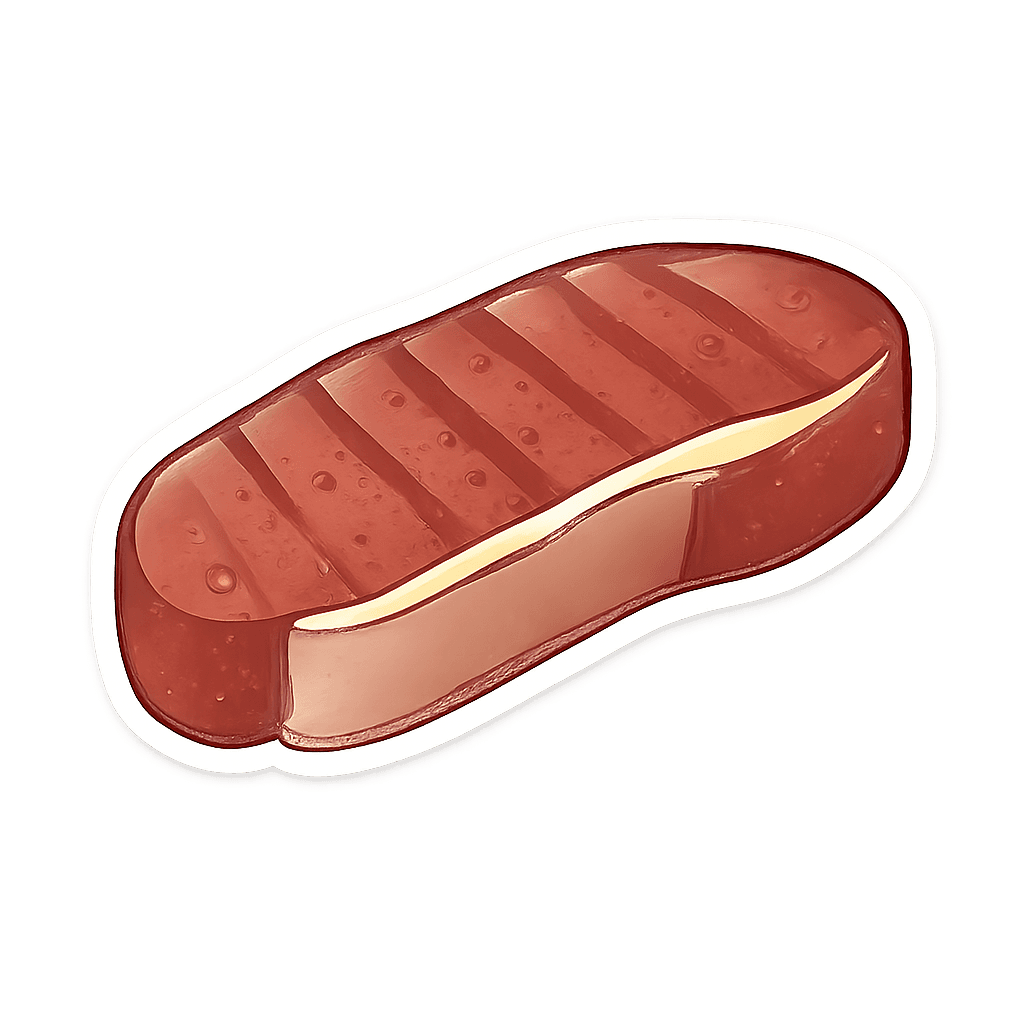
  • Beef Steak Sirloin
    183 kcal/100g

    Beef Steak Sirloin

    P 25C 0F 8
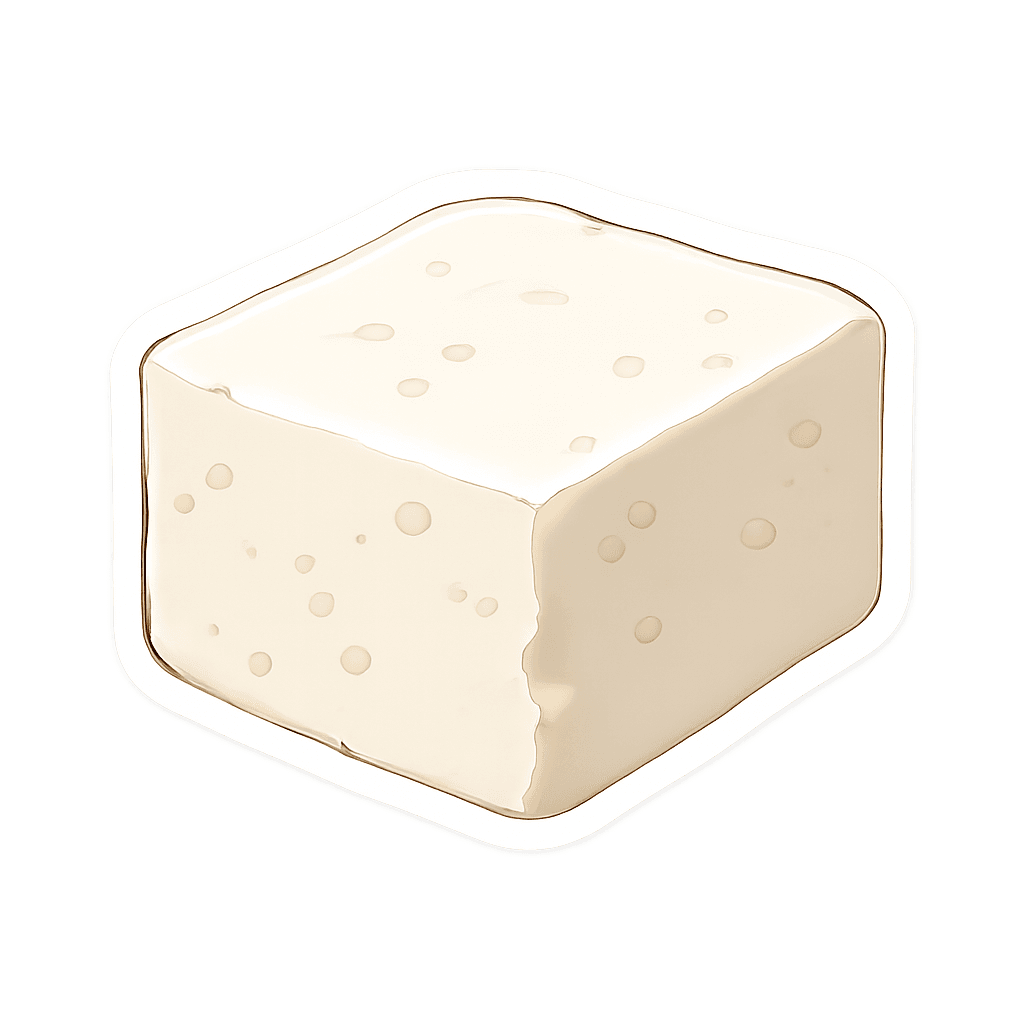
  • Brie cheese
    334 kcal/100g

    Brie cheese

    P 21C 0F 28
  • Chicken Breast
    165 kcal/100g

    Chicken Breast

    P 31C 0F 4
  • Cucumber
    15 kcal/100g

    Cucumber

    P 1C 4F 0
  • Egg
    143 kcal/100g

    Egg

    P 13C 1F 10
  • Feta Cheese
    264 kcal/100g

    Feta Cheese

    P 14C 4F 21
  • Greek Yogurt 0% Fat
    59 kcal/100g

    Greek Yogurt 0% Fat

    P 10C 4F 0
  • Ground Beef 90/10
    176 kcal/100g

    Ground Beef 90/10

    P 20C 0F 10
  • Ham
    145 kcal/100g

    Ham

    P 21C 2F 6
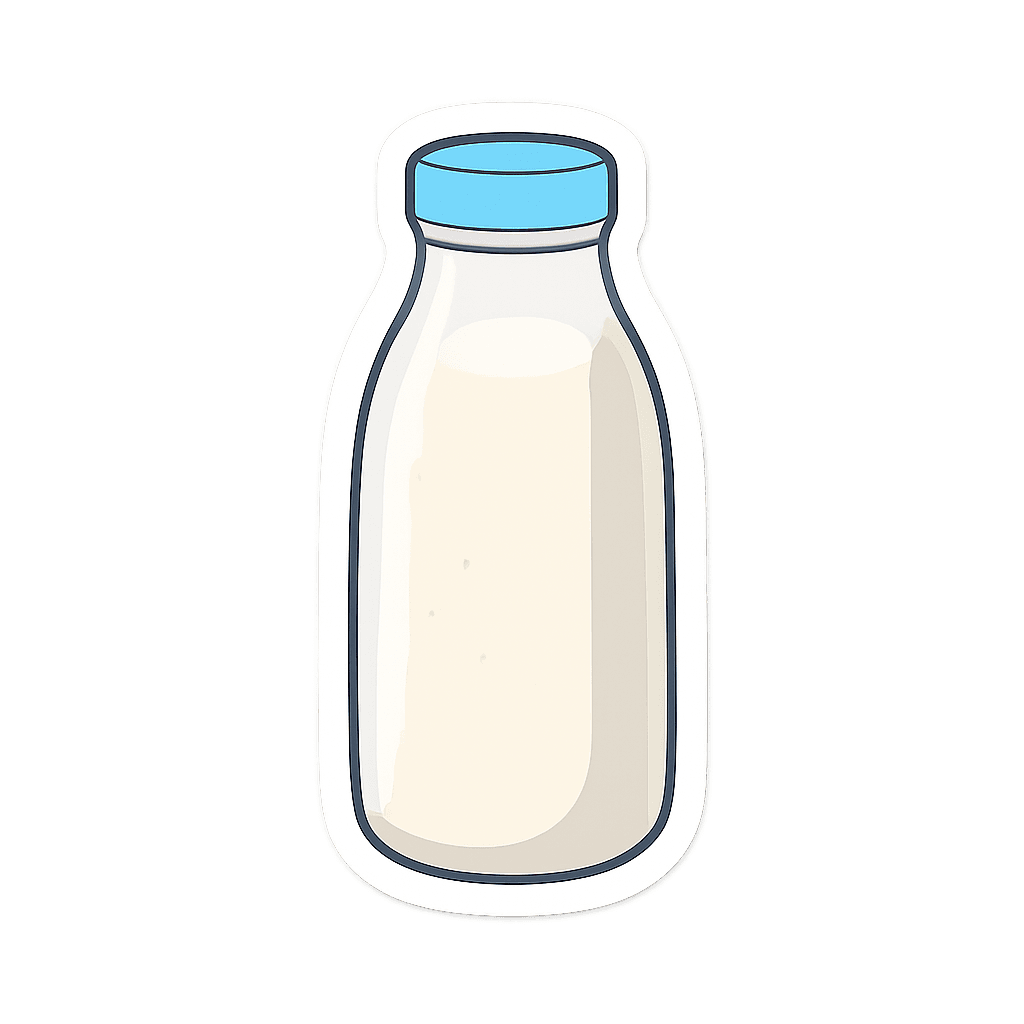
  • Kefir
    67 kcal/100g

    Kefir

    P 3C 5F 4
  • Pickles Dill
    11 kcal/100g

    Pickles Dill

    P 0C 2F 0
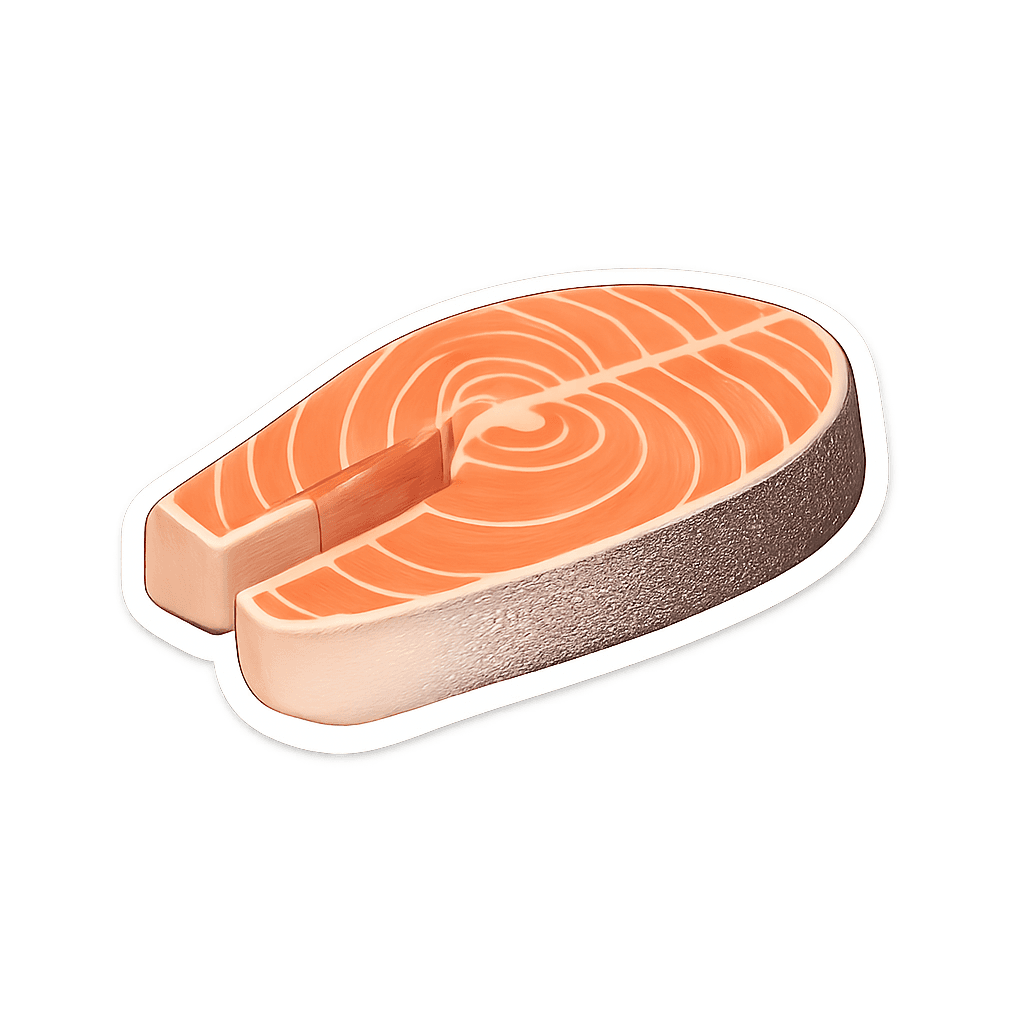
  • Salmon
    206 kcal/100g

    Salmon

    P 27C 0F 10

If you want to go a layer deeper, the next two sections cover what most people argue about when they talk about weight-loss food. You can skip them and the simple version still works.

Three macros, one job

Everything you eat breaks down into three macronutrients. When you are cutting calories, knowing what each one does is more useful than knowing the name of any diet.

Protein

Builds and protects muscle. Keeps you full. Non-negotiable on a deficit. Most weight-loss diets run 1.6 to 2.2 grams per kg of bodyweight.

Fat

Essential and satiating. 9 kcal per gram — the most calorie-dense macro. Fat is what replaces the carbs you cut.

Carbs

Fast fuel. Easiest to overeat. Least essential for fat loss. Hidden in bread, sauces, fruit, and packaged food, so easy to misjudge.

If you do want a pattern

You do not need to pick one of these. The simple-food approach above works on any of them. But if you like having a named pattern to follow, here are the three most people land on.

Keto — very low carb

Carbs near zero. Protein moderate. Fat high. Aggressive. Hunger often drops fast. Rigid in social settings. Works well for rapid short-term results.

Low carb

The realistic zone most people lose weight in. High protein, moderate fat, enough carbs to stay functional. Sustainable, flexible, easy to repeat.

Balanced

For maintenance, or when heavy restriction drains you. Works when calories are honest. Slower, but the most social.

Most people cutting weight sit in keto or low-carb territory. Balanced is for when you are done cutting. None of this matters if you have not picked your foods and your calorie number first.