No More Photos
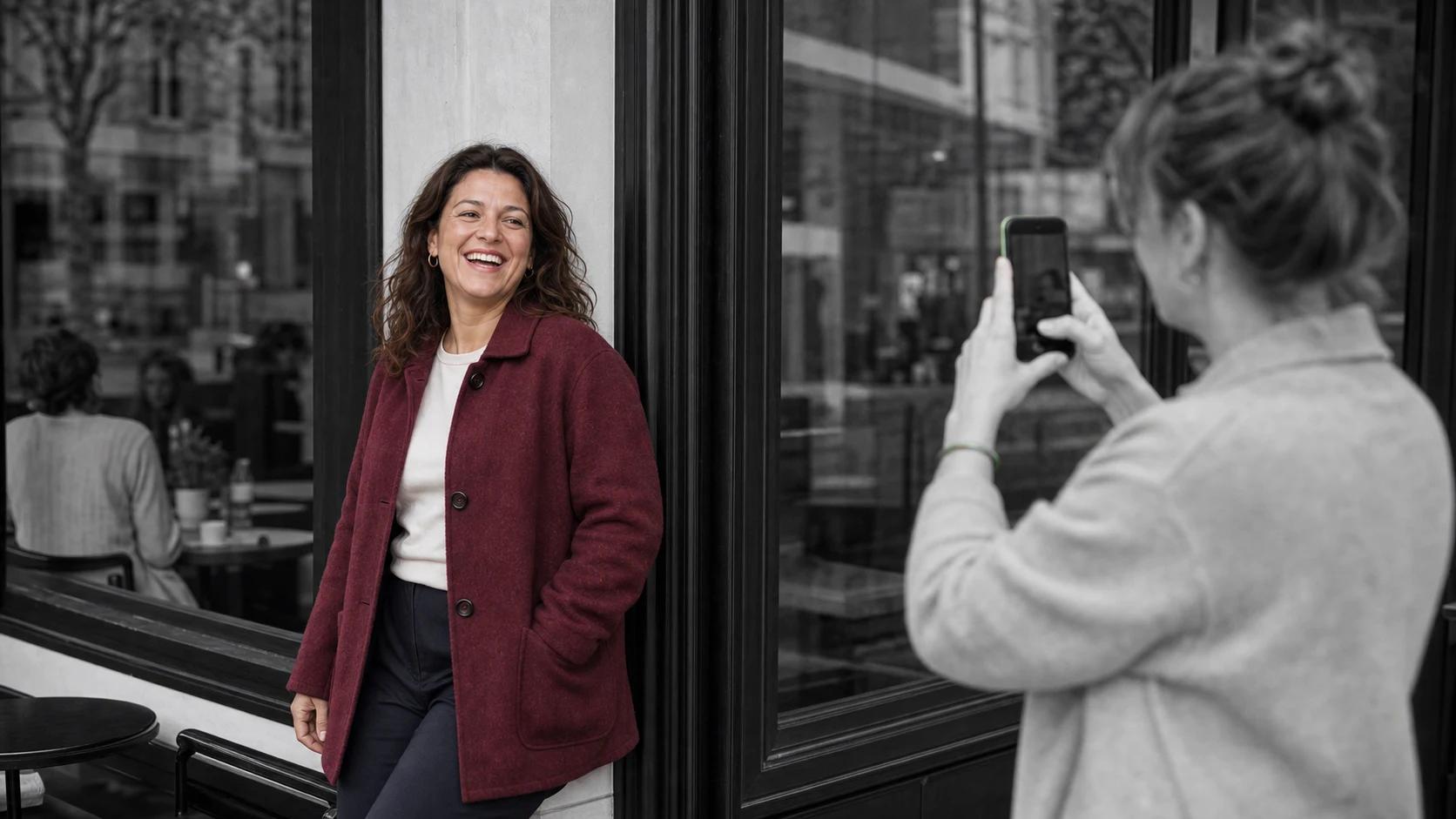
There are photos that hurt more than they should. A candid someone took when you were not ready. A group picture where your eyes go straight to yourself and nowhere else. A side angle you wish you had never seen. A holiday photo that should have held a memory and instead just delivered a shock.
The pain is not always that you looked terrible. Sometimes it is that you looked exactly how you feared. The photo confirms something you were managing in the mirror, hiding in clothes, or negotiating around in your own mind. There is no flattering angle to hide behind because it was not curated. It was just you, existing.
That can create a strange kind of dread. You stop wanting to be photographed. You volunteer to hold the phone. You move to the back. You avoid looking at event albums. You pretend not to care. But you do care, because a photo makes the body public and permanent in a way that a passing reflection does not.
This is one of those motivations people sometimes dismiss as shallow. It is not shallow. Photos are tied to memory, identity, and proof. When every picture becomes something you brace for, it changes how you participate in life. You become less available to moments because part of you is always protecting against evidence.
Wanting that to stop is enough. Wanting to see a photo and not feel punched is enough. Wanting to stop avoiding the camera is enough. You do not need to be obsessed with image to be tired of what these photos are doing to your mood and your self-respect.
Maybe there is one photo in particular for you. The one that made the problem impossible to soften. Good. Keep it in mind. Not to hate yourself. To remember the clarity. Sometimes one image tells the truth more effectively than months of inner negotiation.
Relaterade motivatorer
Airplane Seat
Some motivations are loud. This one is quiet and brutal. It is the private calculation before sitting down on a plane, a train, or in a restaurant booth. Will you fit normally. Will the belt close. Will you spend the whole time trying to take up less space. That feeling is not vanity. It is a sign that ordinary life has become physically and socially harder than it should be. For some people, that is the moment weight loss stops being abstract and becomes necessary.
Food Runs Day
Sometimes the real problem is not just weight. It is how much mental space food takes up. Thinking about the next meal while still eating the current one. Bargaining all day. Rising and crashing with cravings. That is exhausting. When you start wanting your mind back as much as your body back, structure becomes a relief instead of a burden.

Be Looked At Again
Being overweight changes how others perceive you — and how you perceive yourself. There's a threshold where you're no longer "a person who enjoys food" and become "the fat person," and that label shapes how you're treated. When you're no longer seen first as "the fat person," you notice small shifts: longer eye contact, warmer smiles, the absence of that subtle dismissal. The positive attention is energizing, then it settles into something even better: the freedom of normality.