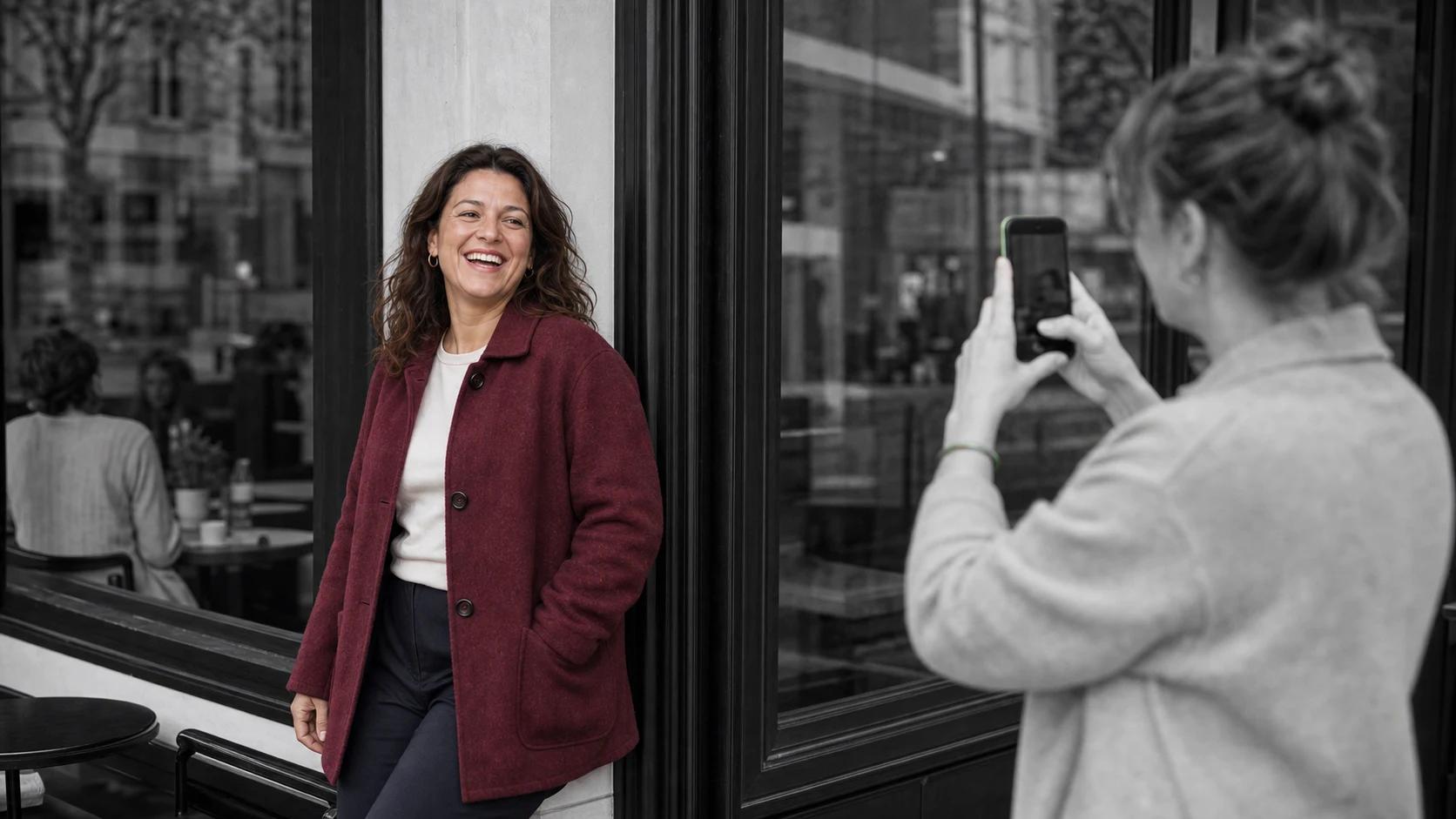
Plus de photos qui font mal
Une seule photo prise sur le vif peut frapper plus fort qu'elle ne le devrait. Une photo de groupe où ton regard file droit vers toi et nulle part ailleurs. Un reflet saisi sous un angle que tu n'as pas choisi. Une photo de vacances qui aurait dû garder un souvenir et qui te livre juste un choc. Le pire n'est pas toujours que tu aies l'air affreux. Parfois, c'est que tu as l'air exactement de ce que tu craignais. La photo confirme ce que tu gérais dans le miroir et cachais sous tes vêtements.
Alors tu changes ton comportement. Tu te proposes de prendre la photo pour ne pas y figurer. Tu te glisses au fond du groupe. Tu n'ouvres plus les albums. Tu te dis que ça t'est égal.
Mais ça ne t'est pas égal, parce qu'une photo rend ton corps public et permanent comme un coup d'œil passager dans un miroir ne le fait jamais. Ce n'est pas superficiel. Les photos sont liées aux souvenirs et à qui tu es. Vouloir en regarder une sans te sentir frappé suffit comme raison. Vouloir arrêter de te cacher de l'appareil suffit comme raison. Tenir ton déficit, c'est ainsi que l'appareil cesse d'être quelque chose que tu redoutes.
Motivateurs associés
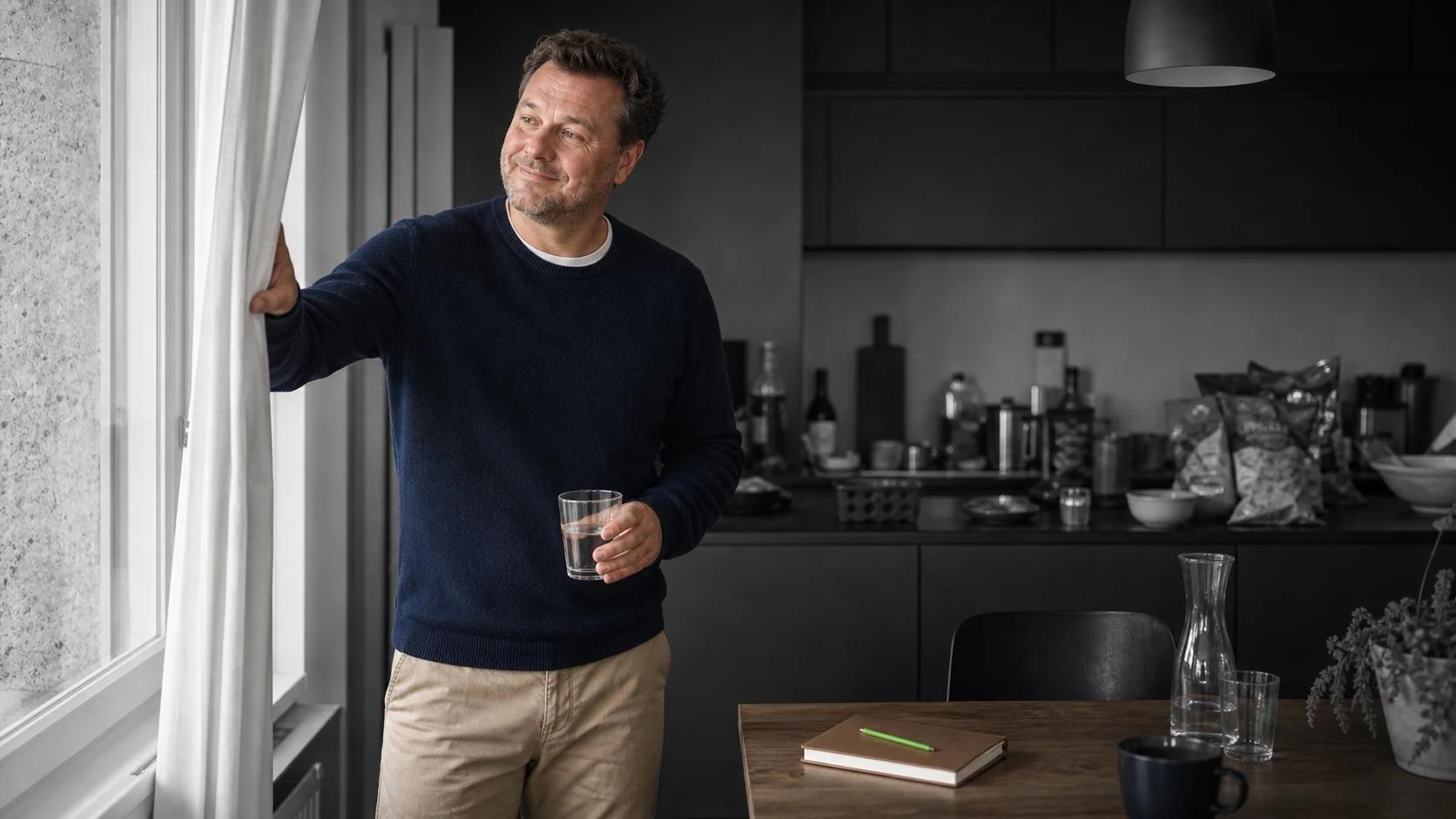
Où est passée ton énergie
On prend du poids lentement, et on perd son énergie tout aussi discrètement. Le but est simple : arrête de t'accommoder de ce poids constant et récupère ta marge au quotidien.
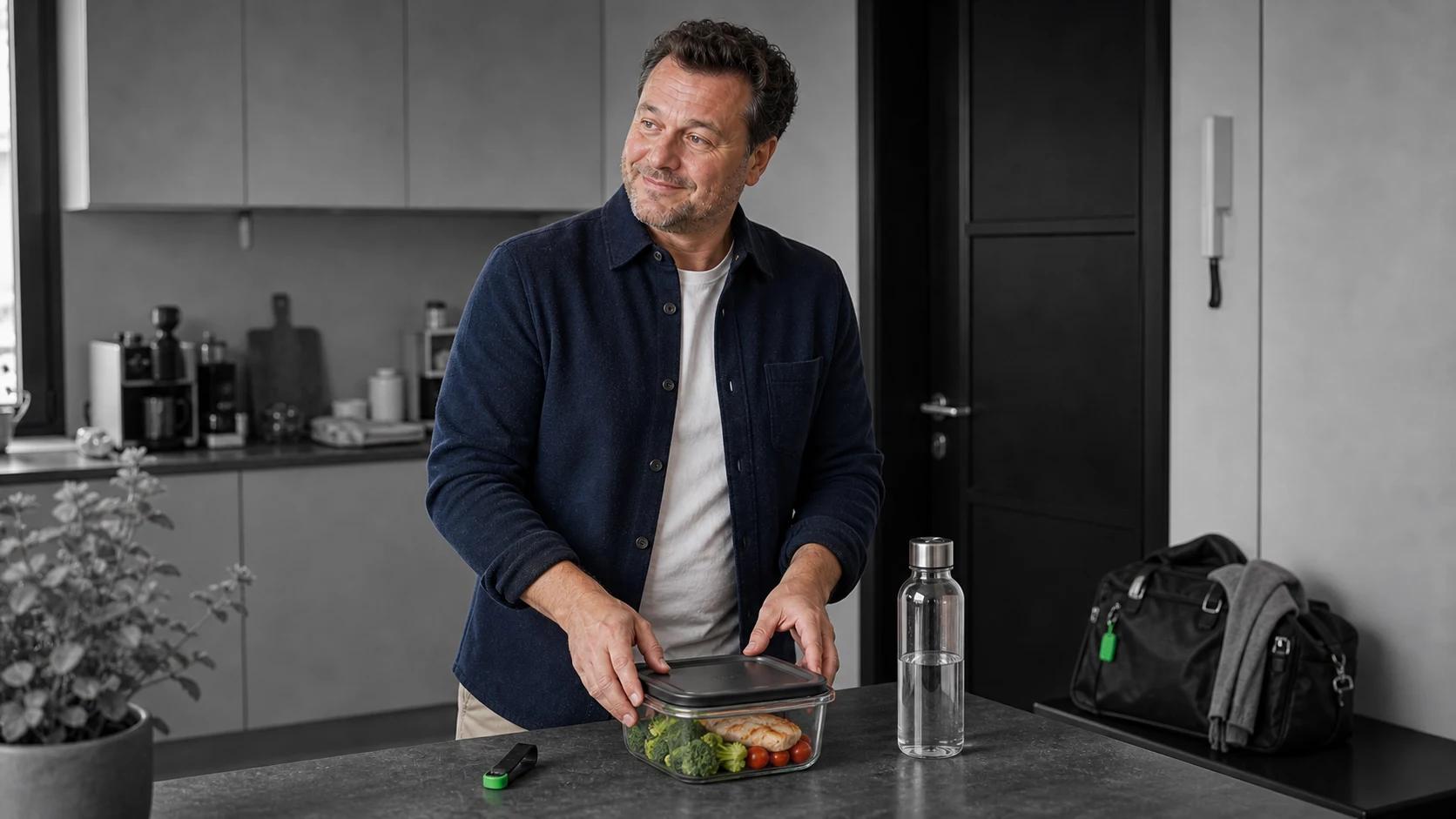
Le secret stratégique
Chercher les applaudissements extérieurs crée une dépendance instable. Garder le travail entièrement pour toi transforme le déficit en un projet privé et intact.
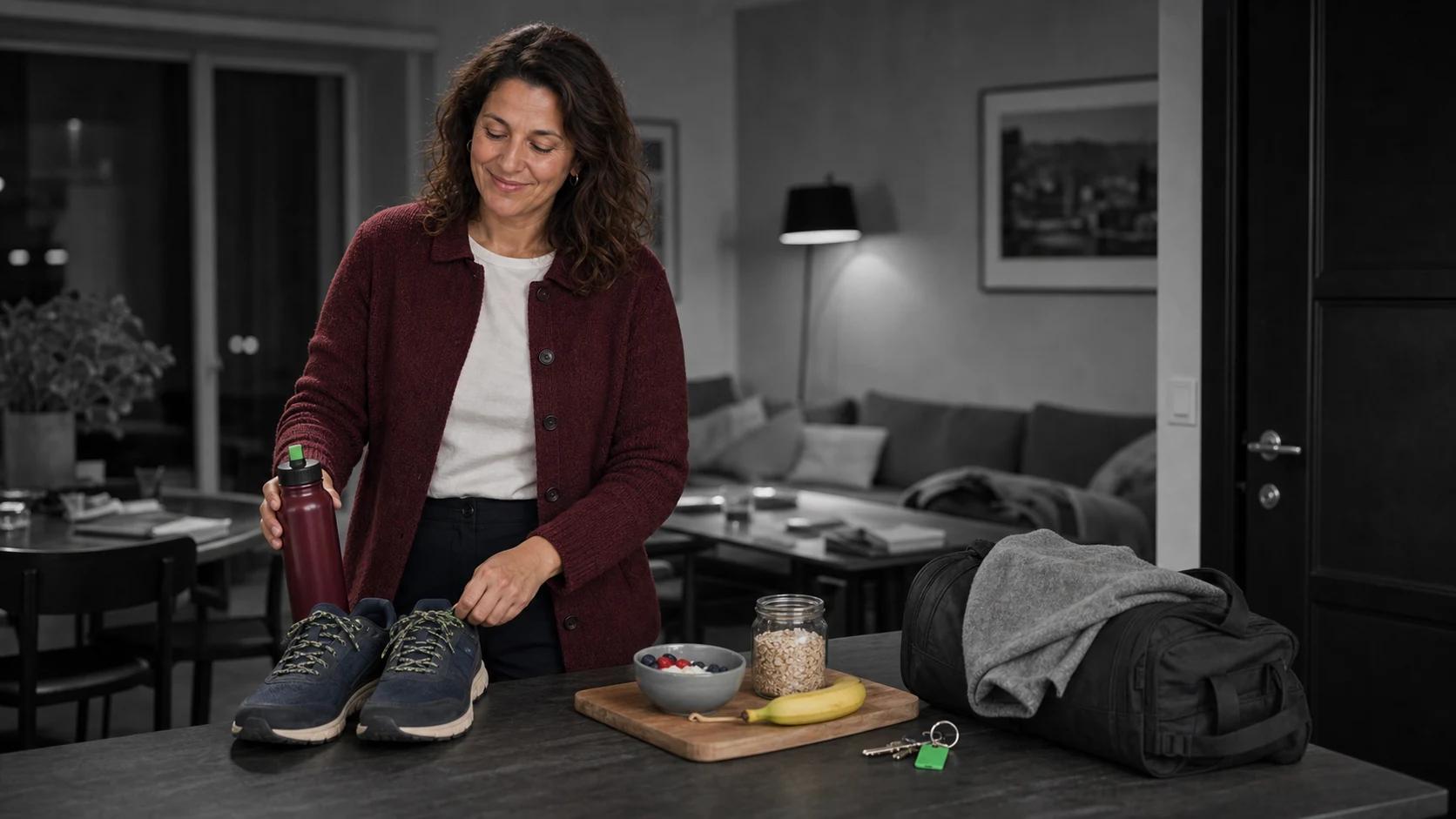
Protéger l'élan
Une fois que tu as une semaine propre derrière toi, le travail change. Désormais, le but est de protéger ce que tu as déjà construit.