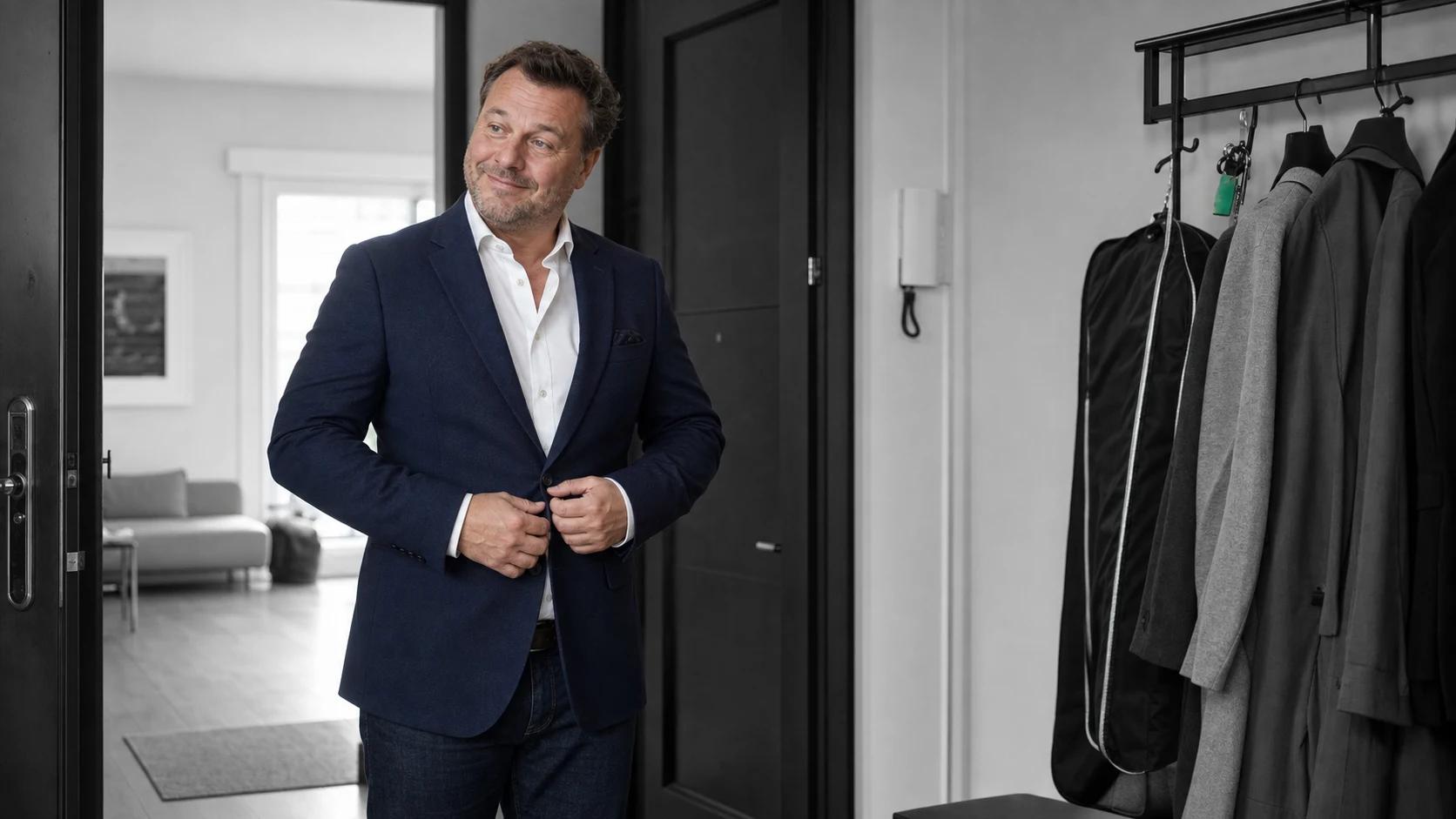
Fit into a Size
Clothes are one of the most reliable measures of progress. Unlike the scale, a waistband does not swing with water weight or lie to you after a big meal. Whether you want to get back into a favourite pair of trousers or finally fit something you bought a size too small on purpose, you are working toward something you can feel.
That makes a concrete target. You can anchor your effort to a size you remember feeling right in. It turns progress into something tactile: clothes you can picture wearing, a wardrobe you can use again, ease in your own style.
Weight gain slowly turns shopping into damage control. You start picking things because they fit, not because you like them. As the weight comes off, that reverses. You choose clothes because they suit you, not because they hide you. And a real garment is a kinder gauge than the scale. Progress is not linear, so checking how a piece of clothing fits every couple of weeks beats standing on the scale every morning looking for a reason to feel bad. The fabric going from too tight to just right is the confirmation the scale could never give you.
Related motivators
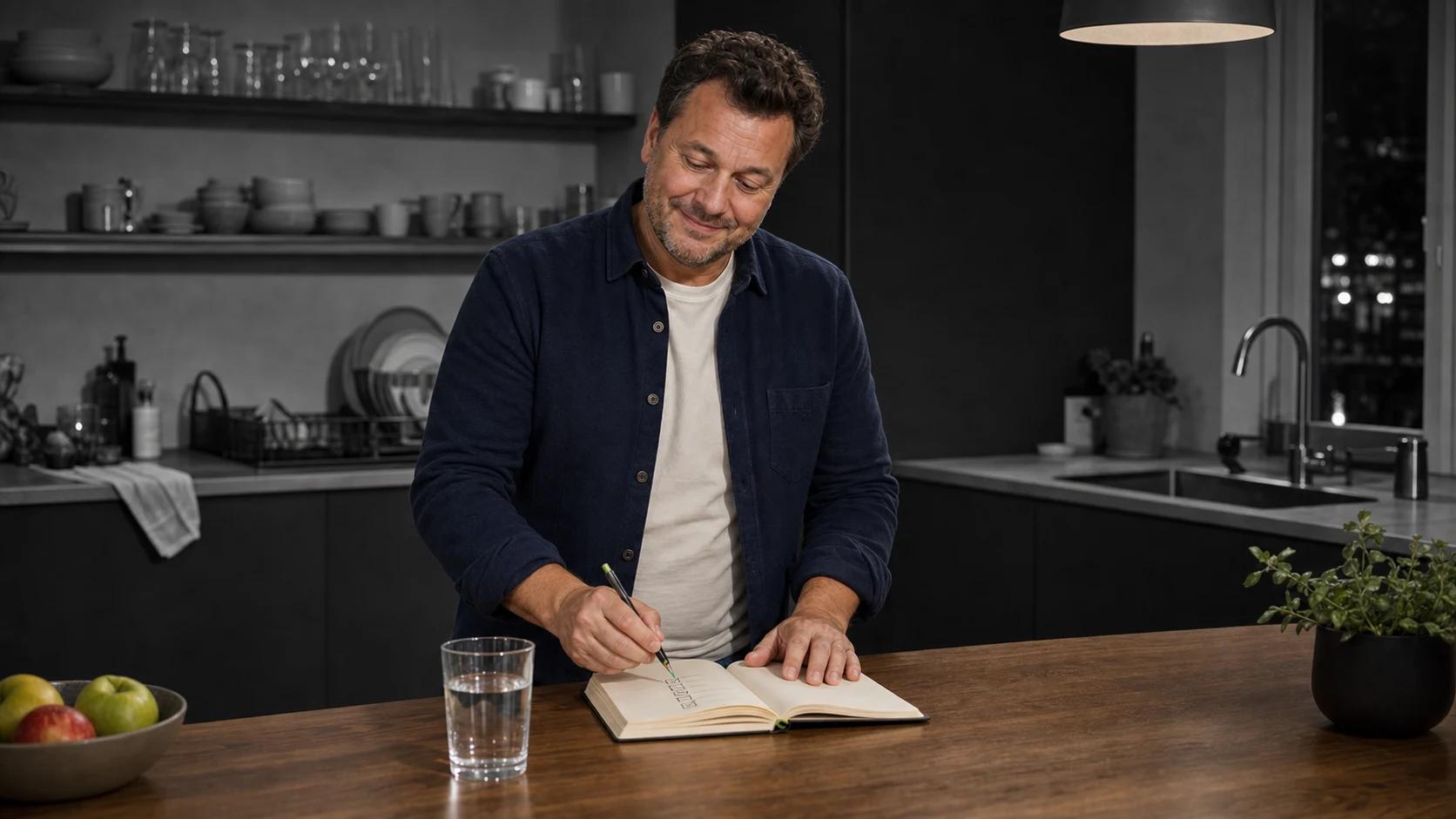
Doing What You Said You'd Do
Strip away the scale, the food, and the vanity. What a ninety-day challenge really tests is whether your word to yourself still means something.
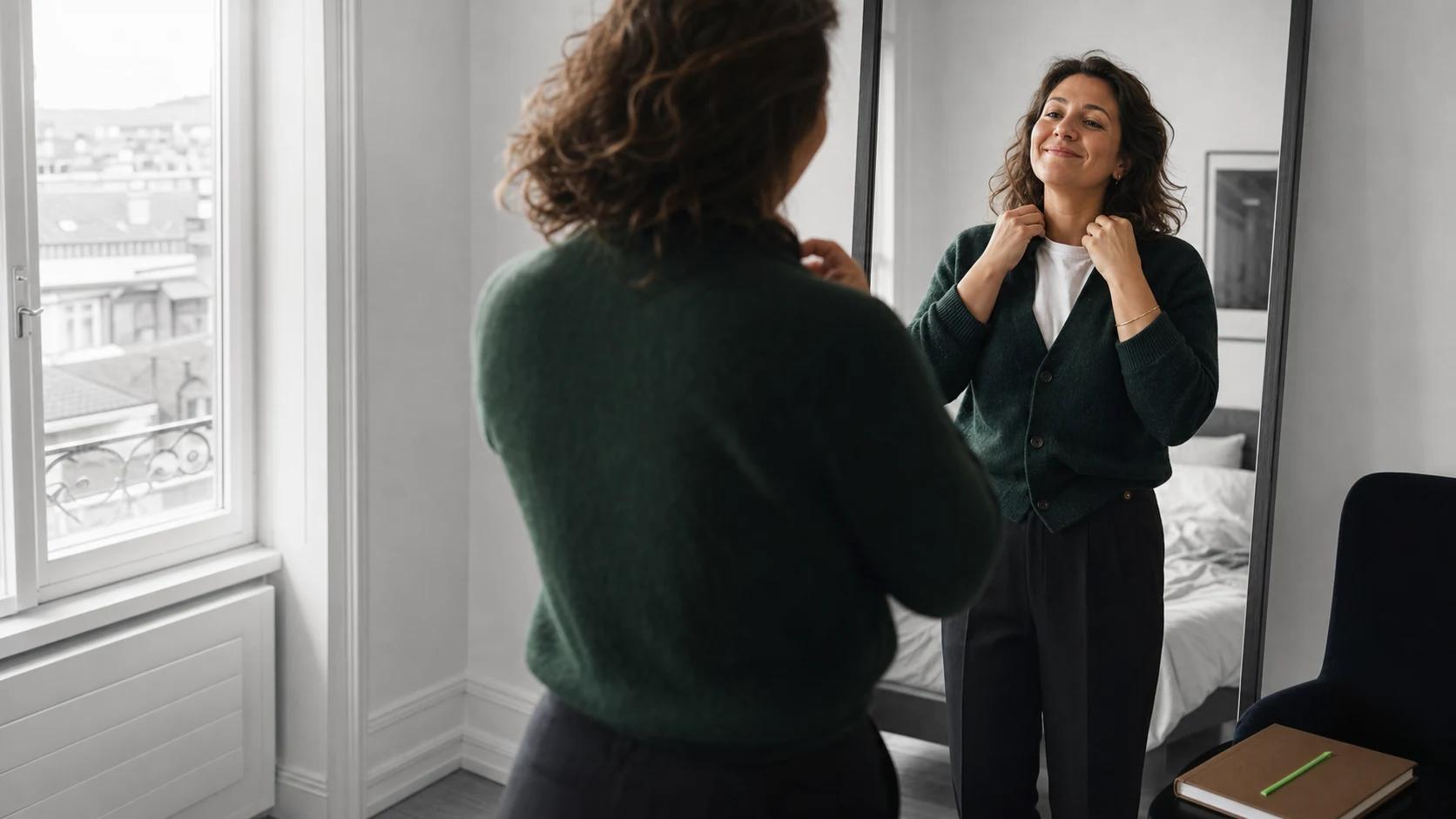
Mirror Wake-Up
You can manage a bathroom mirror with angles and lighting, but an unexpected photo tells the truth. Seeing yourself for real strips away the denial and forces a decision.
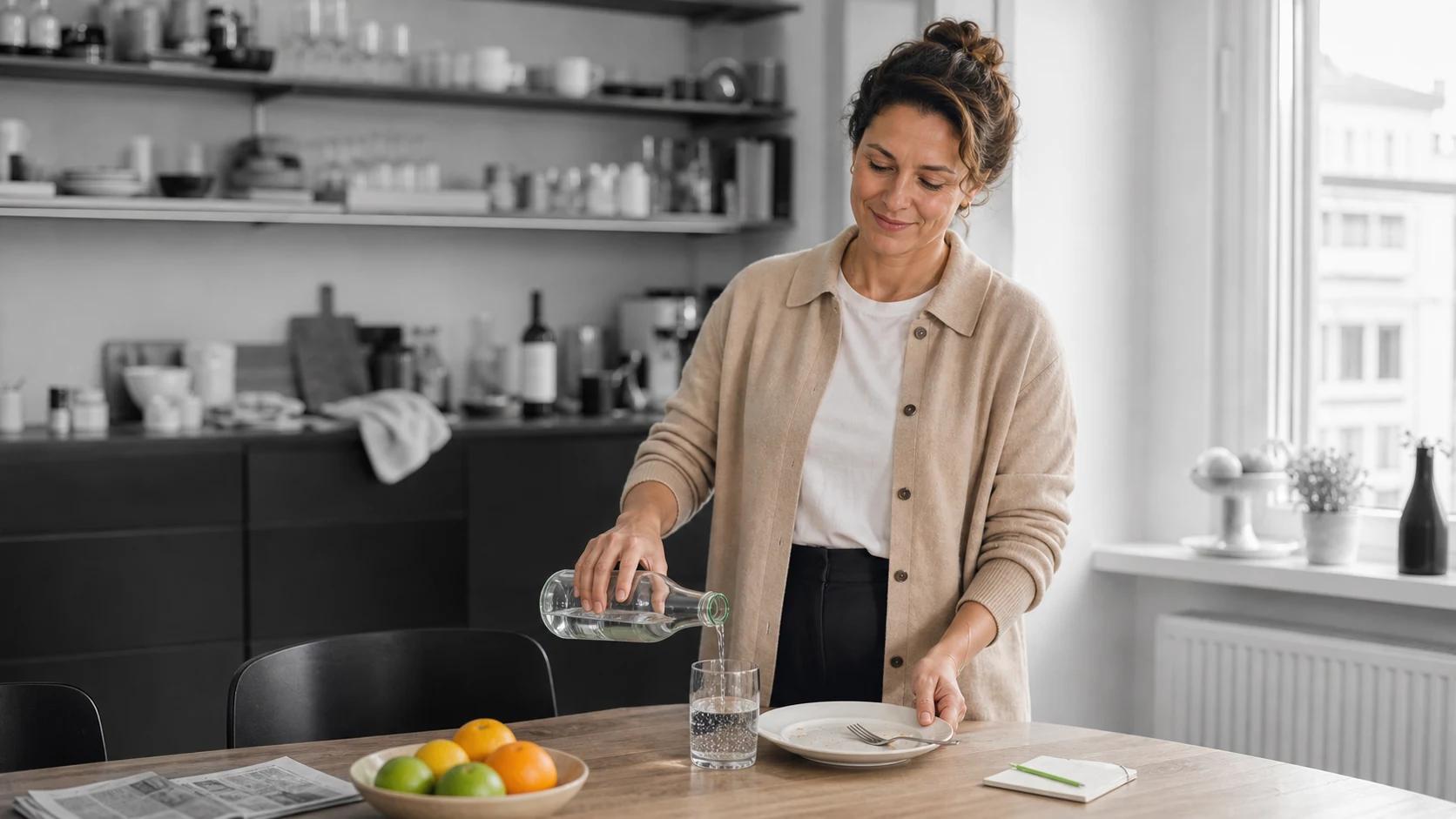
Autophagy Clean-Up
Fasting kicks off a natural cellular recycling process. Giving your system a long break from digestion is a chance for it to do some deep internal maintenance.