Loading…
Loading…
When people talk about weight loss, they obsess over methods — keto, low-carb, carnivore, OMAD, whatever the trend of the year is. But the core mechanism hasn’t...
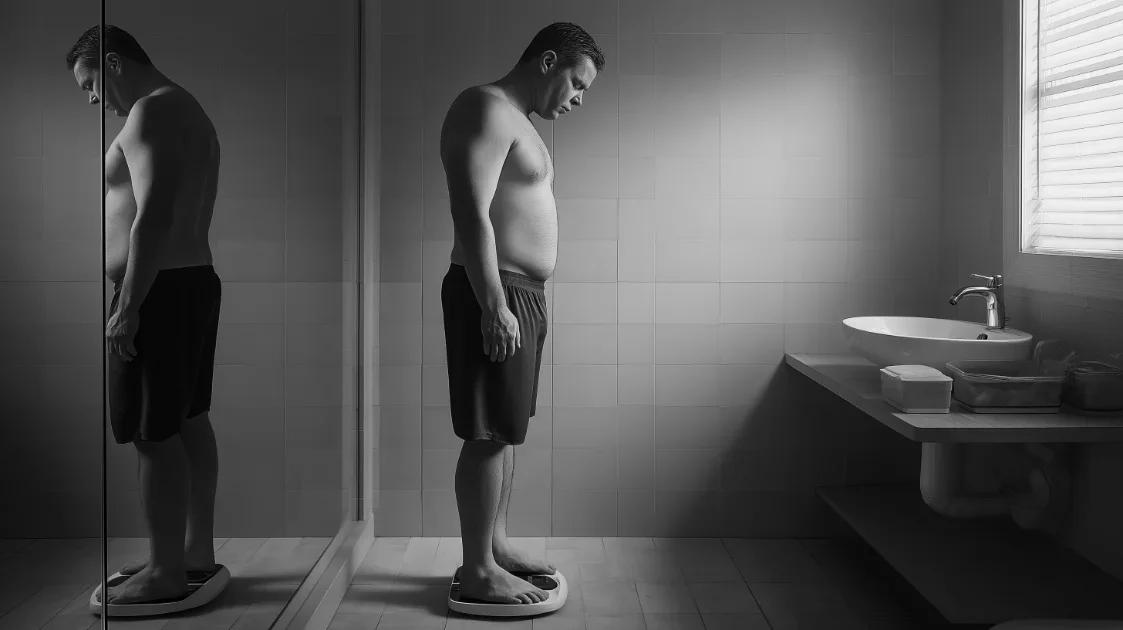
When people talk about weight loss, they obsess over methods: keto, low-carb, carnivore, OMAD, whatever the trend of the year is. But the core mechanism hasn’t changed in a hundred thousand years: if you reliably take in less energy than you burn, the body starts using stored fuel. It’s not complicated. What’s complicated is sticking with it long enough for the math to matter.
The FastNow system starts with a fast not because fasting is magic, but because it makes everything that comes next easier. It strips away the noise.
During the fast, there are no food choices to make, no carbs to adjust, no portion sizes to negotiate. You’re not playing chess with yourself. The entire decision tree collapses into one instruction: don’t eat. That clarity creates momentum. And metabolically, it pushes you cleanly into fat-burning territory without any half-measures.
Could you try to copy this effect by eating ultra-strict for three days? Technically, yes. You could live on eggs and nothing else. But you’d still be taking in calories. You’d still trigger cravings. You’d still have to navigate dozens of little choices. And the metabolic shift would be slower, softer, less decisive.
The sixty-hour fast isn’t about the weight you lose during the fast itself. Most of that early drop is water anyway. The real value is what happens after: you come out of the fast already in the right metabolic lane. Glycogen is stored carbohydrate found in muscles and liver that the body uses for energy.Full definition → is drained. A metabolic state where fat becomes the primary fuel when carbs stay low.Full definition → is active. Your hunger has eased right off. The body is already running on Fat is a macronutrient that provides a concentrated source of energy at 9 calories per gram.Full definition →. And psychologically, something important has changed: your baseline went to zero.
After you’ve eaten nothing, eating little is easy.
That contrast changes everything. A 1,000-calorie deficit doesn’t feel punishing once you’ve just lived through zero. You don’t need to fight yourself as much. You’re not negotiating with food the same way. It becomes natural to stay light and disciplined.
Over weeks and months of Calorie intake equal to energy expenditure, resulting in stable weight.Full definition →, that sense of lightness fades. Your calorie boundary edges upward. You eat more, clean food, yes, but more of it. That’s normal. But when you decide to cut again, you need to bring that boundary back down. And if you try to do that through “clean eating” alone, the headwind is enormous. The hunger is loud. The negotiation is constant.
The fast resets the whole system, physiology and psychology, in one decisive move. It gives you a clean line to start from, a sharper sense of discipline, and the feeling of control that gets lost when maintenance slides into overeating without you noticing.
That’s why fasting earns its place at the beginning. It’s not a shortcut. It’s not a hack. It’s the cleanest way to break momentum, clear the board, and enter the weight-loss phase already in motion rather than fighting uphill from day one.