Loading…
Loading…
Restarting after carbs crept back in: why a hard reset beat “moderation,” what a 60-hour fast is for, and how I am using FastNow to keep the next 90 days honest.

After experimenting with reintroducing carbohydrates into my diet following seven or eight months of a low-carb regimen, I quickly noticed how naturally I slipped into not monitoring my intake and consuming too many sweet carbs, even when starting with something as simple as potatoes. Observing my weight and tracking my diet for a day made it clear that I needed to revert to my previous approach to avoid regaining weight and experiencing past issues. This realization has reinforced my commitment to my rigorous routine.
To regain control, I am returning to my usual plan, which includes a challenging 60-hour extended fast—approximately two and a half days without eating. During this period, my intake consists mainly of coffee, water, and a considerable amount of diet sodas like Pepsi and Coke, with occasional diet syrup. These beverages provide the support I need, although I understand they may not be suitable for everyone. As I approach the 48 to 60-hour mark, I might incorporate pickle juice or pickles to help me through the final stretch, though this isn't guaranteed.
The primary goal of this fast is to transition back to burning fat rather than consuming fresh carbs daily. I've noticed how quickly I developed a dependency on carbs, which cunningly influences my brain to crave more, despite my awareness. Given my experience, I know that gradual adjustments do not work for me due to the clever tricks my brain plays. Therefore, a radical approach is necessary, reinforced by discipline and a clear objective.
Last night, around 9:45 p.m., I made the decision to embark on this fast after my final meal. I slept well and went about my day as usual. As I enter the second part of the day, I anticipate the initial reactions as my body depletes its glucose reserves, leading to the first cravings. This is familiar territory for me, having been my comfort zone for the past eight months. While there is a bit of struggle involved, I am prepared for it. I've experienced this transition before and know that it leads to a sense of control and well-being.
I have specific goals and want to halt the minor negative effects that have reemerged after just four weeks of consuming carbs. Moving forward, I plan to document my progress and hope to inspire others who might be interested in this approach. However, it's important to note that extended fasting isn't suitable for everyone. Those with medical conditions should consult their healthcare providers, as fasting can be risky. For individuals who are generally healthy but overweight, medical professionals often approve fasting for 24-48 hours or longer, which is what I am undertaking. I'll keep you updated as I embark on this new beginning once again.
Restarting is not drama — it is an admission that the last few weeks stopped matching the plan. The alternative is pretending, and pretending always costs more than a hard reset.
If you want a structured container for the next months (not a vibe-based promise), the 90-day protocol is the plain-language version of what I am doing in practice: fasting discipline, calorie control, and walking — tracked.
This journal is first-person experience, not medical advice. Medications, diabetes, pregnancy, eating-disorder history, and plenty of other contexts change what is safe. If you are unsure, you are not unsure because you are weak — you are unsure because risk is real.
The reason I keep coming back to an app-backed plan is simple: my brain will negotiate at 9 p.m. The app does not negotiate — it shows the line, the window, and the steps. If you want a grounded explanation of deficits without mysticism, read how calorie deficits actually work. If you want the walking angle (the unsung lever), read walking as a weight loss tool.
The fast is not the destination — it is a transition tool. What matters next is whether I return to logging, walking, and a calorie line I can defend when life gets loud. That is the 90-day game.
Should everyone do a 60-hour fast to restart?
No. This is what I am doing because it matches my history and my tolerance for discomfort — not because it is universally optimal.
Are diet sodas “allowed”?
They are a tool I use. If they increase cravings for you, they are a bad tool. Tools are personal.
What if I cannot fast long periods at all?
You can still run the behavioral stack: window + calorie line + walking. Extended fasting is optional, not mandatory for using FastNow as a system.
Where do I start if I want the structured plan without guessing?
Read the protocol, install the app, and stop trying to earn the plan with motivation — earn it with repetition.
What is the CTA here?
If you are in the same “I need a container” place: start the 90-day structure, log honestly, and walk daily — even when the journal entry is not glamorous.
I am not anti-carb as a religion. I am anti unlogged carb creep because it is how my brain sneaks back into old grooves. Potatoes became snacks. Snacks became evenings. Evenings became “I will fix it Monday.” Monday became a month.
That is why a hard transition works for me — not because softness is morally wrong, but because my personal failure mode is negotiation.
A fast can be a reset switch. The 90-day program is the wiring you install after you flip the switch. If you treat the fast like the whole solution, you will repeat the same cycle forever. If you treat it like a transition into a tracked calorie line + walking, you are building something that survives a bad week.
If you want a grounded explanation of regain dynamics (so you do not confuse biology with personal failure), why weight comes back after a diet is worth reading alongside this restart.
I will track behaviors: fasting windows, calorie targets, steps, honest logs. I will not turn this into a performance where every day needs a punchline. Consistency is boring on purpose.
If you are comparing your day one to someone else’s day thirty, you are measuring the wrong thing. Compare honesty and return rate, not theatrics.
Is it normal to feel shame when restarting?
Common. Shame is a waste of fuel. Use the fuel for logging and walking — not for self-trial.
Do I need extended fasting to use FastNow?
No. FastNow is structured around behaviors you can repeat. Extended fasting is optional and personal.
What if I cannot do low-carb long term?
Then you still need a calorie line you can log, a window you can keep, and walking you will not drop. Macronutrient style is secondary to consistency.
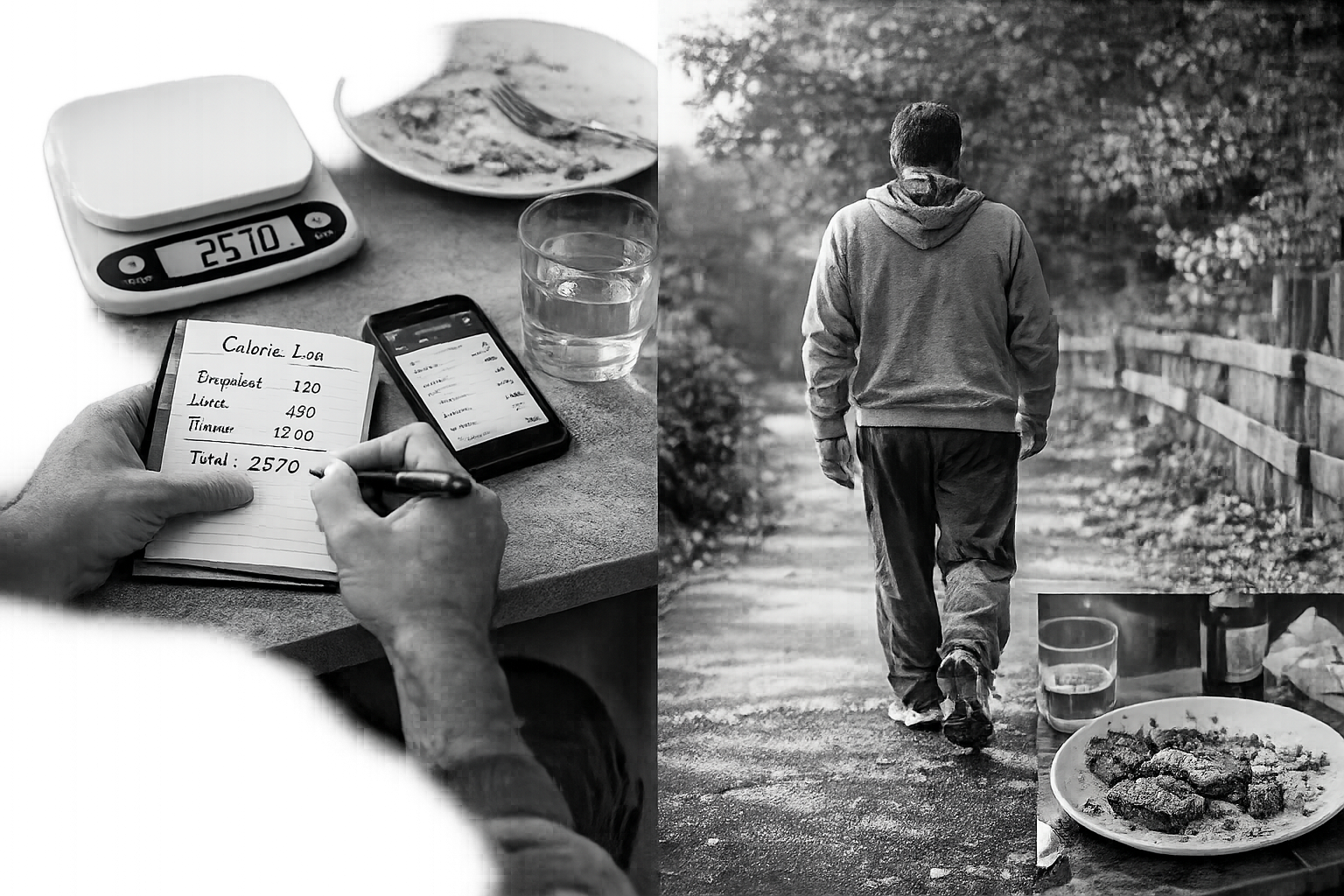
The boring middle of a 90-day plan is where people drift. This post names the moment, ties it to fasting + calories + walking, and gives concrete next steps.

Hard day in the ninety-day arc—extra carbs, rough mood, gray weather. Here is the FastNow move: close the story, protect the fast, walk, hit your normal calorie target tomorrow.
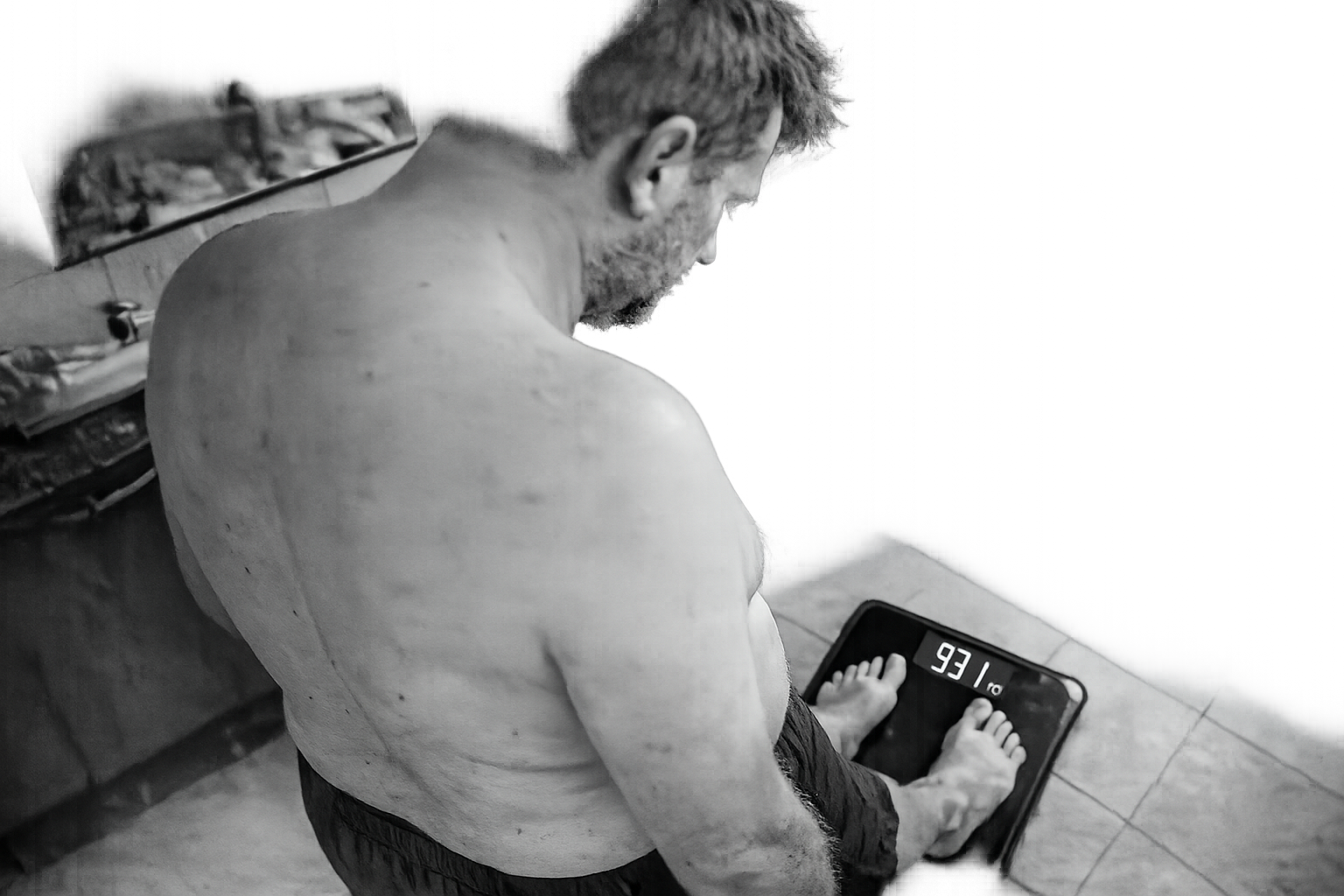
Mid-90-day reality check: stalls, doubt, then 93.1 kg after 96 kg—how FastNow’s fasting, calorie target, and walking turn patience into a visible break.

Early weight-loss momentum fades around day 16. Here is how to defend a real calorie deficit, keep your fasting window, and walk daily—without losing the plot.