Motivatorer
Udforsk afprøvede motivatorer og åbn den fulde artikel for hver enkelt.
Før du vælger
En motivator er det, du sætter foran dig selv: et foto, et outfit, en fremtidig scene, et mål, du kan forestille dig. Men billedet trækker kun, hvis du ved, hvorfor det betyder noget. Årsagen under det er din drivkraft, og det er det, der holder en målvægt fra at gå flad halvvejs igennem. Før du vælger dine motivatorer, er det værd at få klarhed over, hvad du faktisk ønsker, de skal holde for dig.
Find din drivkraftAlle drivkræfter
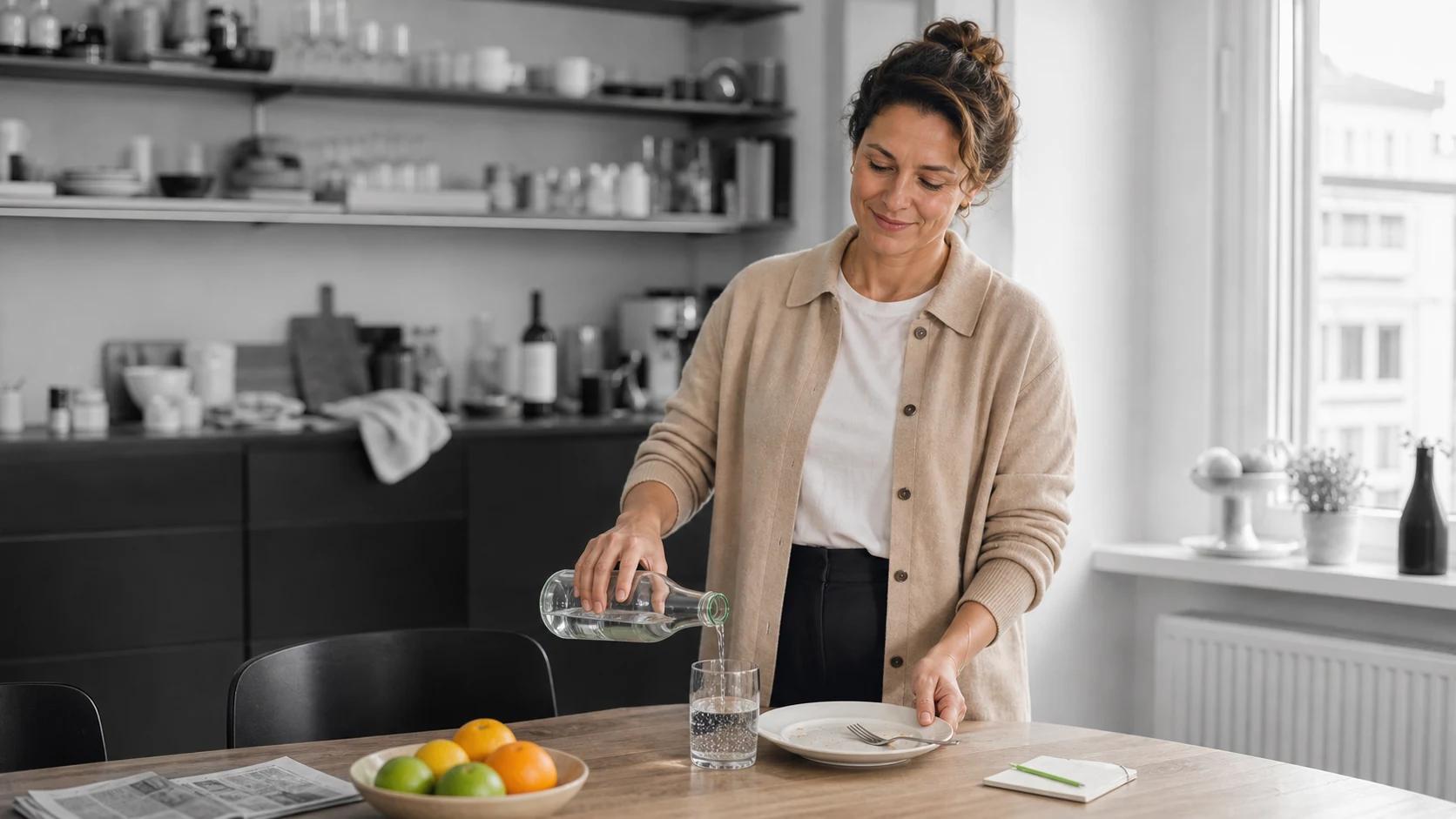
Cellulær Storengøring
Faste sætter kroppen i "genbrugstilstand", hvor gamle eller beskadigede celler nedbrydes for at give plads til nye. Denne proces, kaldet autofagi, tiltager under længere faster og giver kroppen chancen for dyb cellulær storengøring. Forskere mener, at det hjælper med at reducere inflammation og bremse ophobningen af beskadigede proteiner, der akkumuleres med alderen.
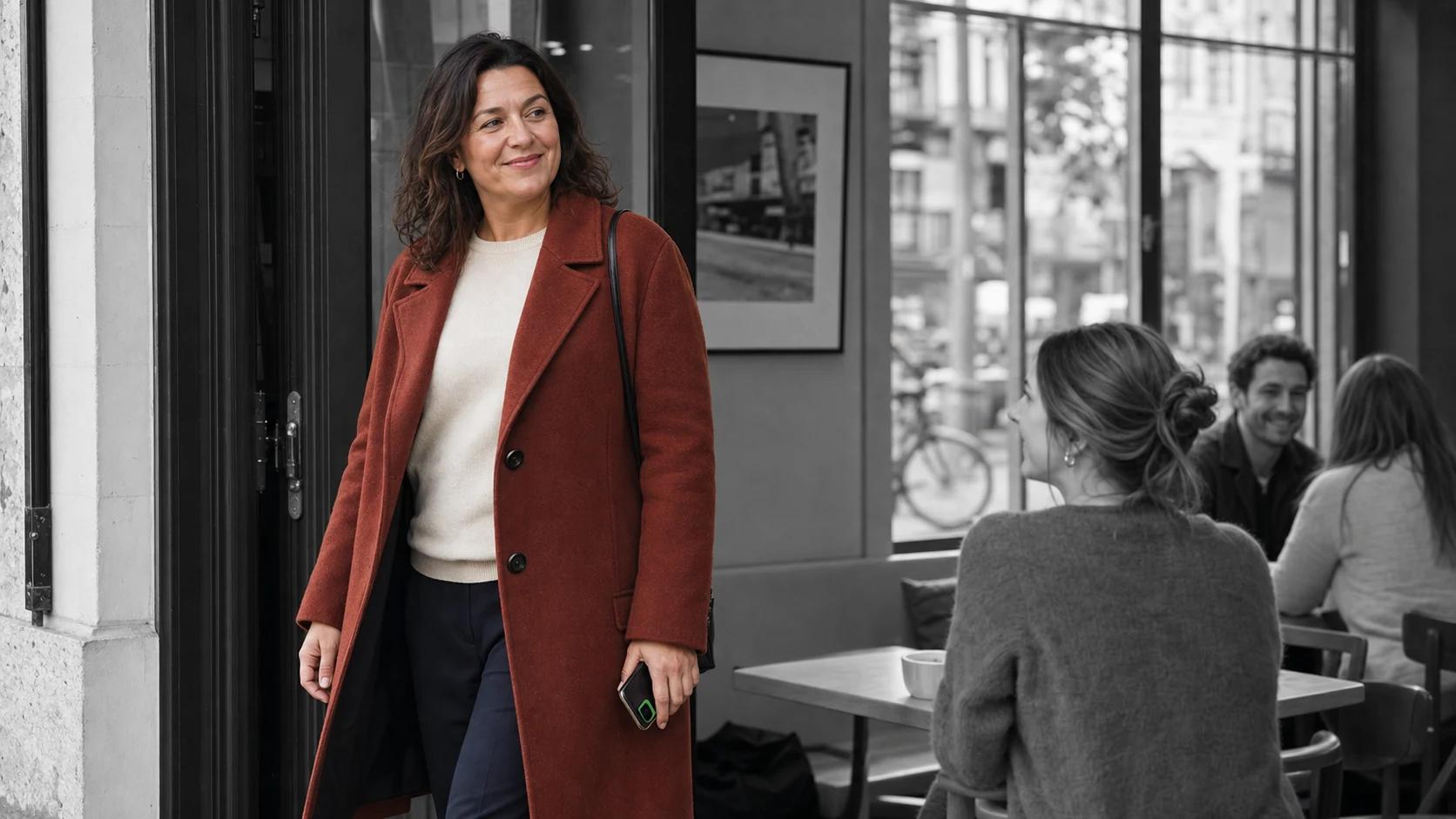
Bliv Set Igen
Overvægt ændrer, hvordan andre opfatter dig — og hvordan du opfatter dig selv. Der er en grænse, hvor du ikke længere er "en person der nyder mad" og bliver "den tykke", og den mærkat former, hvordan du bliver behandlet. Når du ikke længere ses primært som "den tykke", bemærker du små skift: længere øjenkontakt, varmere smil, fraværet af subtil afvisning. Den positive opmærksomhed er energigivende i begyndelsen, og så bliver den til noget endnu bedre: friheden i normalitet.
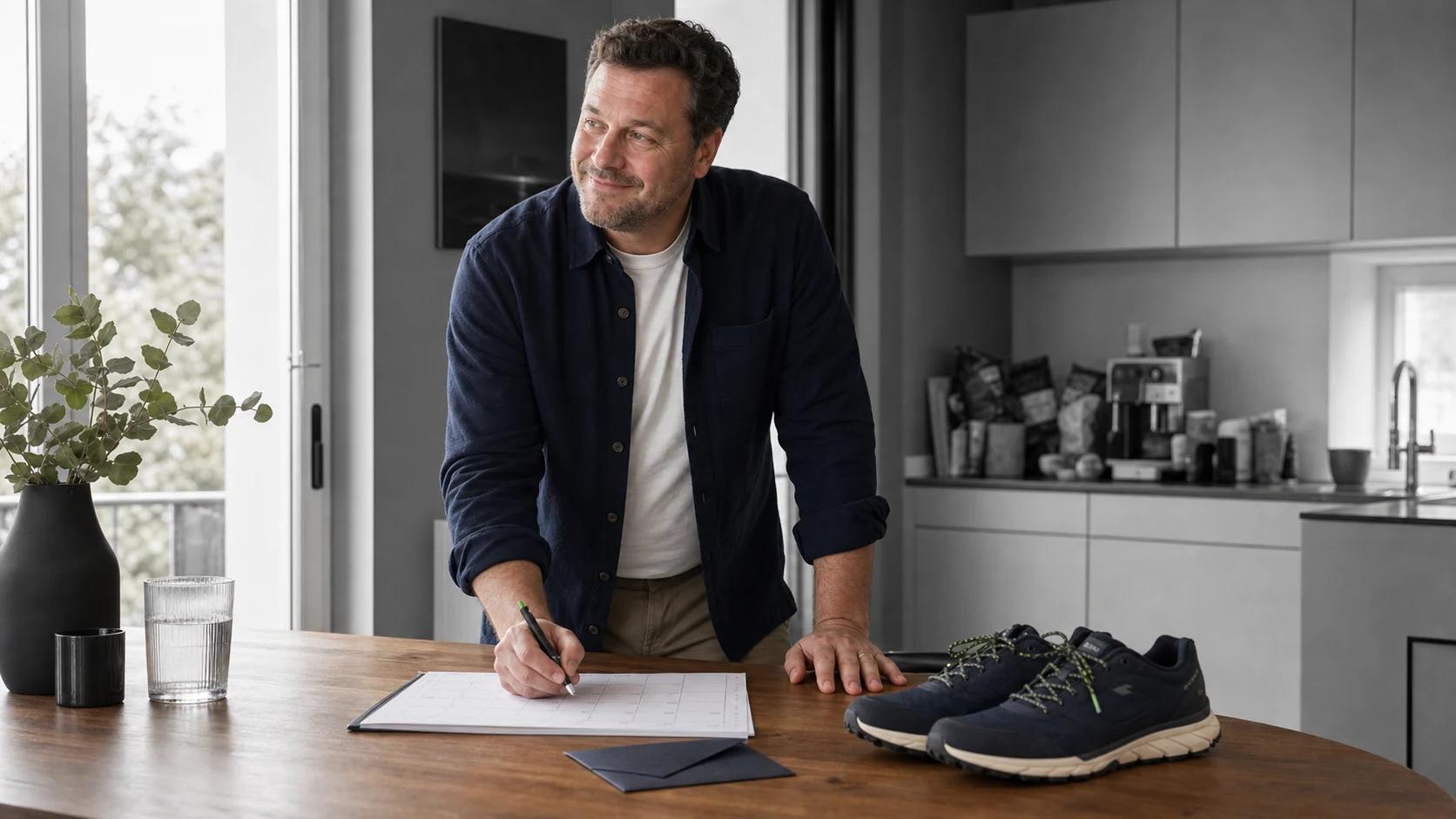
Nedtælling til Begivenheden
Store begivenheder tvinger handling frem: genforeninger, bryllupper, fødselsdage eller helligdage, hvor du ser mennesker, du ikke har set i årevis. Du vil ikke huskes som den, der lod sig selv gå, og en kommende begivenhed skaber ægte pres og momentum. Selvom begivenheder som regel er eksterne, kan du skabe din egen deadline: sæt ring om en ferie, fødselsdag eller rejse i kalenderen og beslut, at det er den dag, du dukker op anderledes.
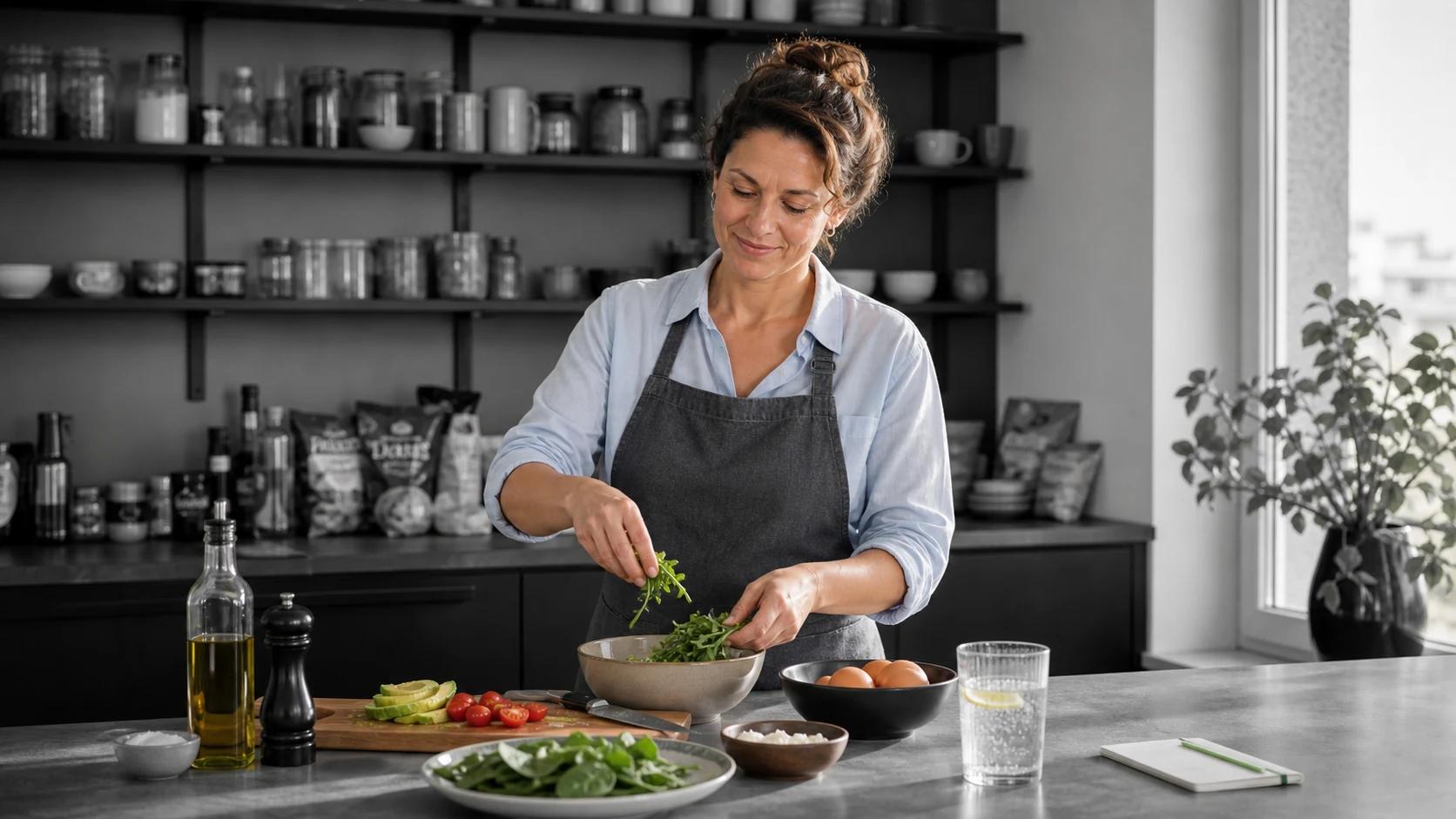
Styr på Insulinen
Høj insulin håndterer ikke bare sukker — den låser fedtet inde. Hvis insulinen forbliver høj, får din krop aldrig chancen for at brænde sine egne reserver, og du lever i en cyklus af cravings og oplagring. Det virkelige wake-up call kommer, når du indser, at du ikke var svag; dit system var overbelastet. Faste giver kroppen plads til at nulstille: færre cravings, mere stabilt humør og endelig en chance for at komme til fedt, der har været låst inde i årevis.

Uforklarede Symptomer
Overvægt bringer en endeløs parade af små, uforklarede problemer: hududslæt, fedtet hovedbund, fordøjelsesproblemer, halsbrand, åndenød og træthed. Du ender med at google symptomer sent om aftenen, halvvejs overbevist om at du har en skjult sygdom, når virkeligheden er, at meget af det hænger sammen med vægt og stofskifte. Når du giver kroppen en pause gennem faste, begynder mange af disse problemer at falde til ro: huden klarer op, fordøjelsen bliver bedre, energien vender tilbage.
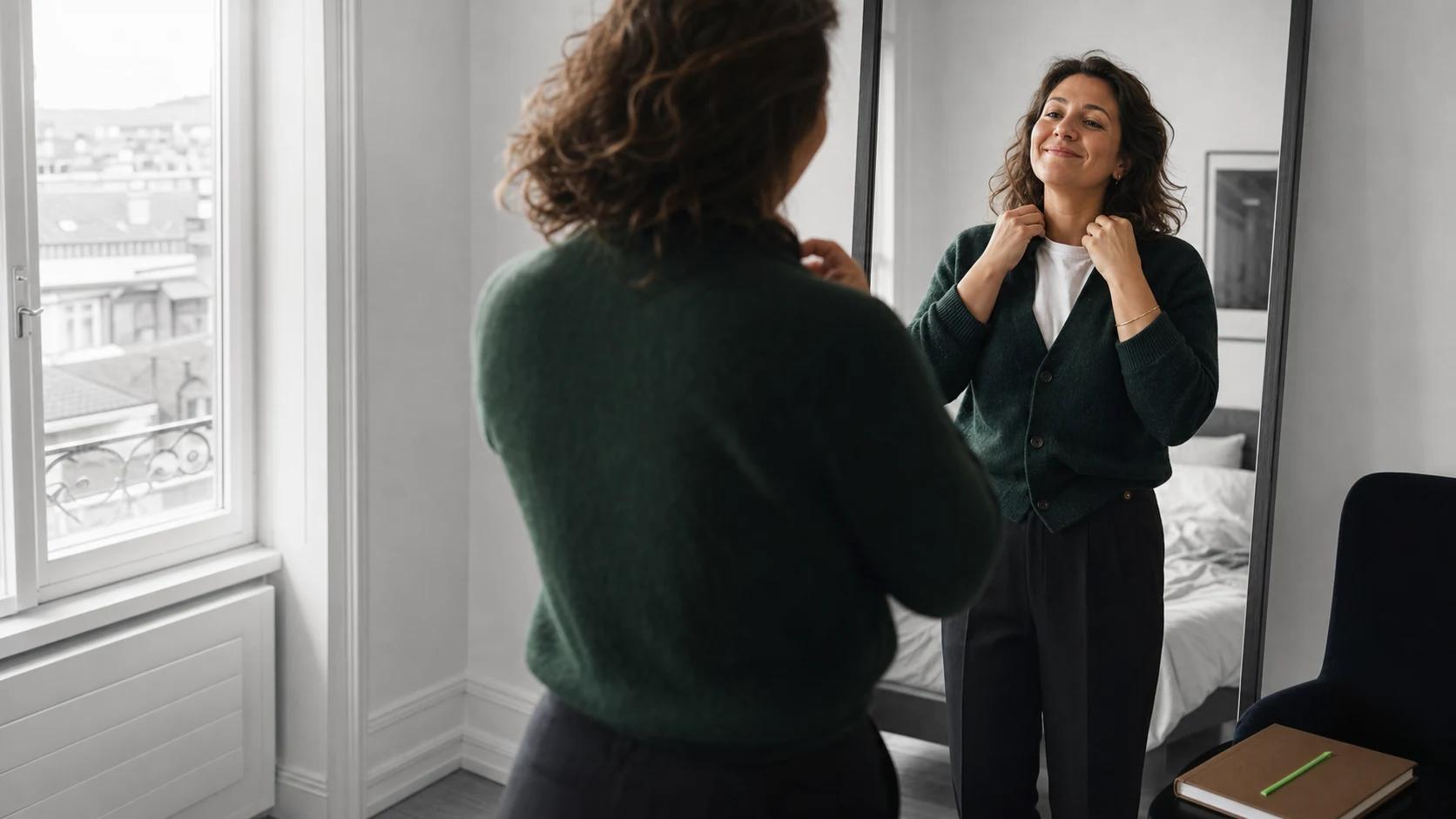
Spejlets Sandhed
Spejlet er nemt at manipulere: du lærer de gode vinkler, kaster et hurtigt blik, overbeviser dig selv om at det ikke er så slemt. Men så kommer chokket af at se sig selv på afstand — på et foto, en refleksion du ikke var forberedt på — og fornægtelsen forsvinder. Det øjeblik bliver en af de stærkeste motivatorer: først føles det som straf, men efter vægttab bliver de samme spejle og kameraer allierede, der bekræfter, at du har ændret dig.
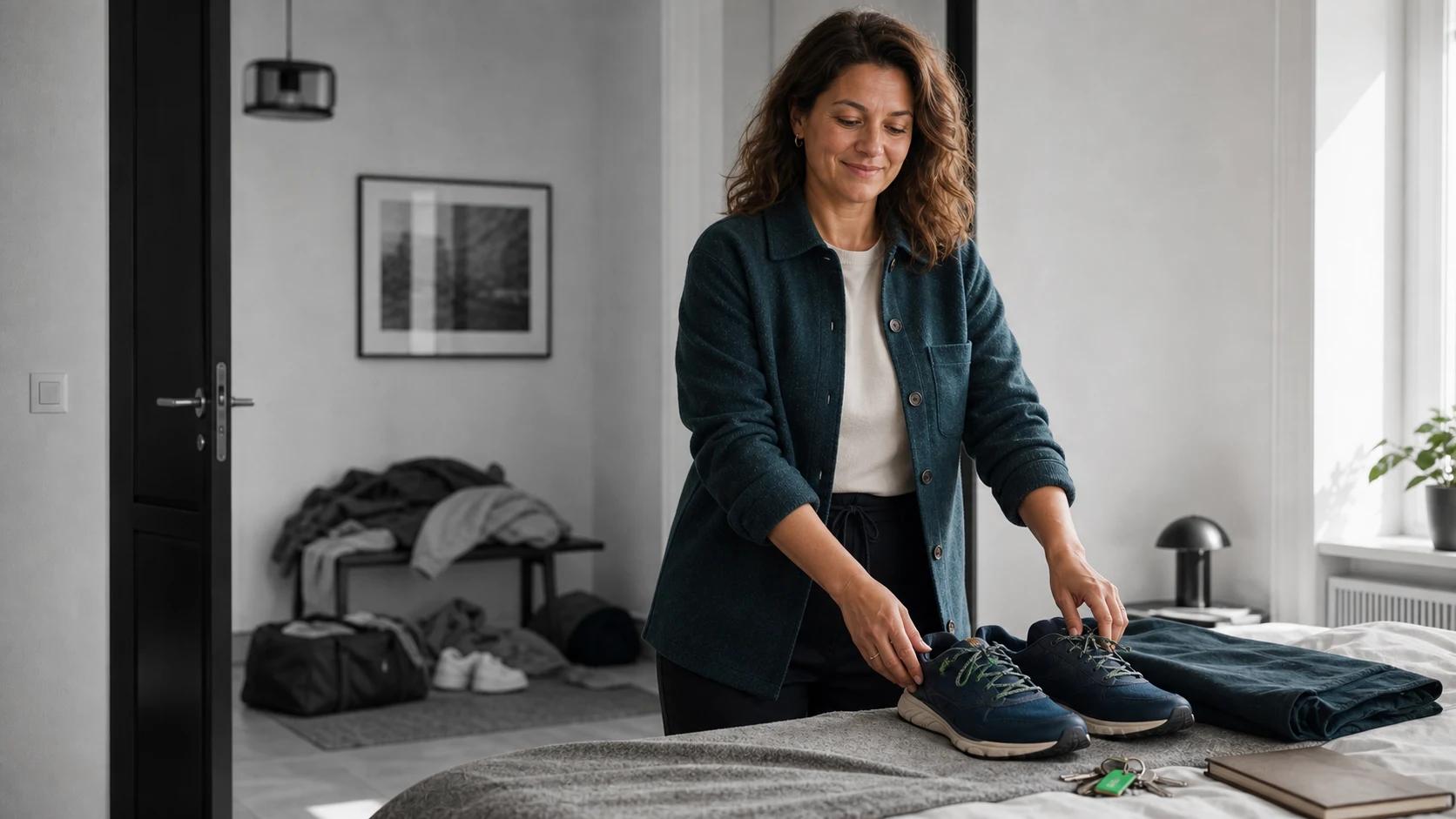
Genvind Selvrespekten
Når du har betydelig overvægt, er det som regel ikke det eneste i dit liv, der er kørt af sporet — det er endnu et symptom på vaner, mønstre og problemer, der hober sig op. Du føler dig ikke kun dømt af andre; du dømmer dig selv på samme måde, og det skaber en cyklus af skam, der æder selvrespekten op. At tabe sig løser ikke alle problemer, men det kan være gnisten, der ændrer alt: når du tager kontrol, beviser du over for dig selv — og over for alle omkring dig — at forandring er mulig.
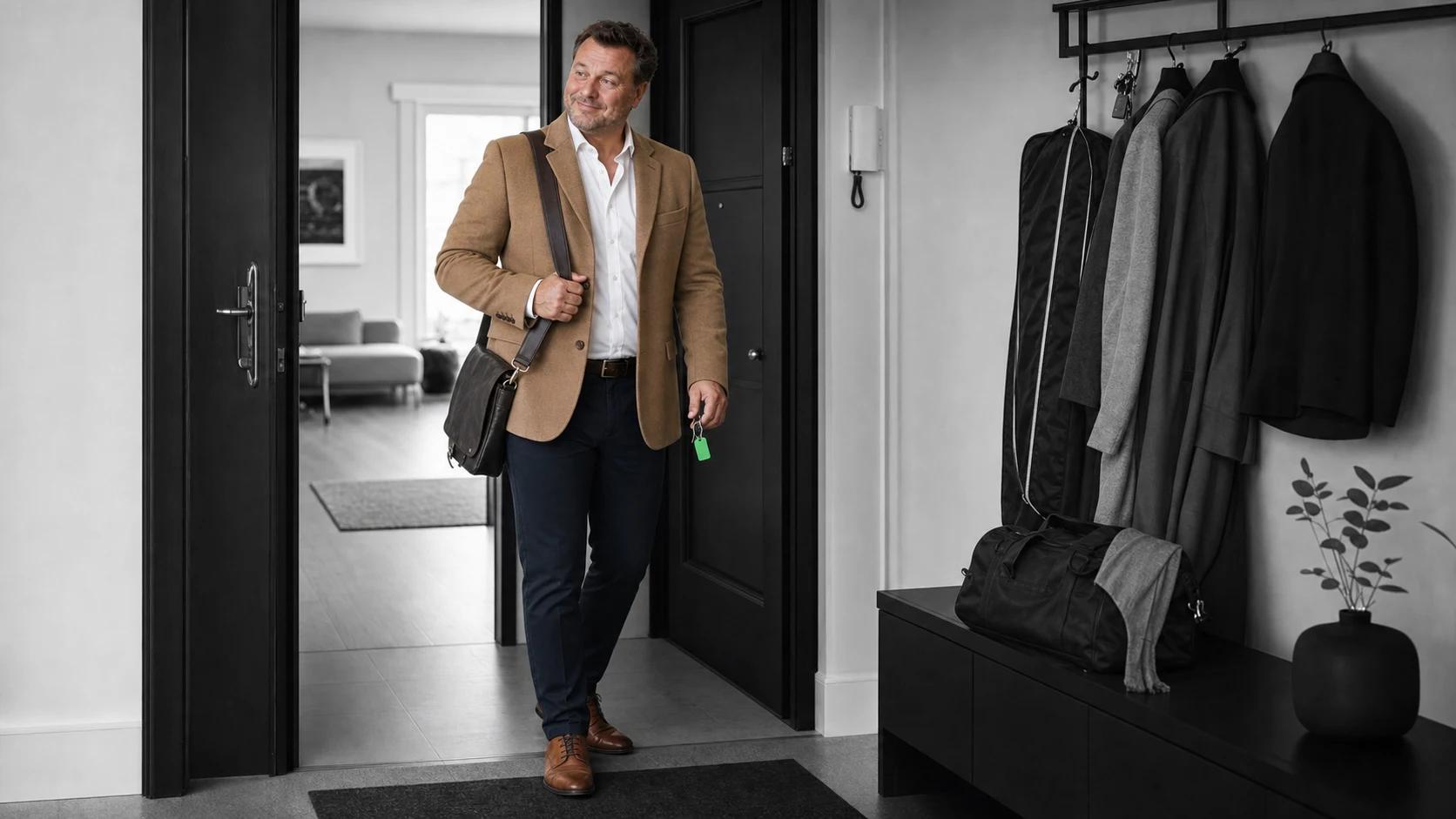
Vis Dem Alle
Nogle gange vil du dukke op og have folk til at lægge mærke til det. Måske er det en eks, der troede, du aldrig ville tage dig sammen, kolleger der har set dig kæmpe, eller familiemedlemmer der har kommet med kommentarer. Der er intet galt i at ville bevise noget — over for dem og over for dig selv. Motivationen "jeg skal nok vise dem" kan være utroligt kraftfuldt brændstof, der skubber dig igennem svære øjeblikke, hvor viljestyrke alene ikke rækker.
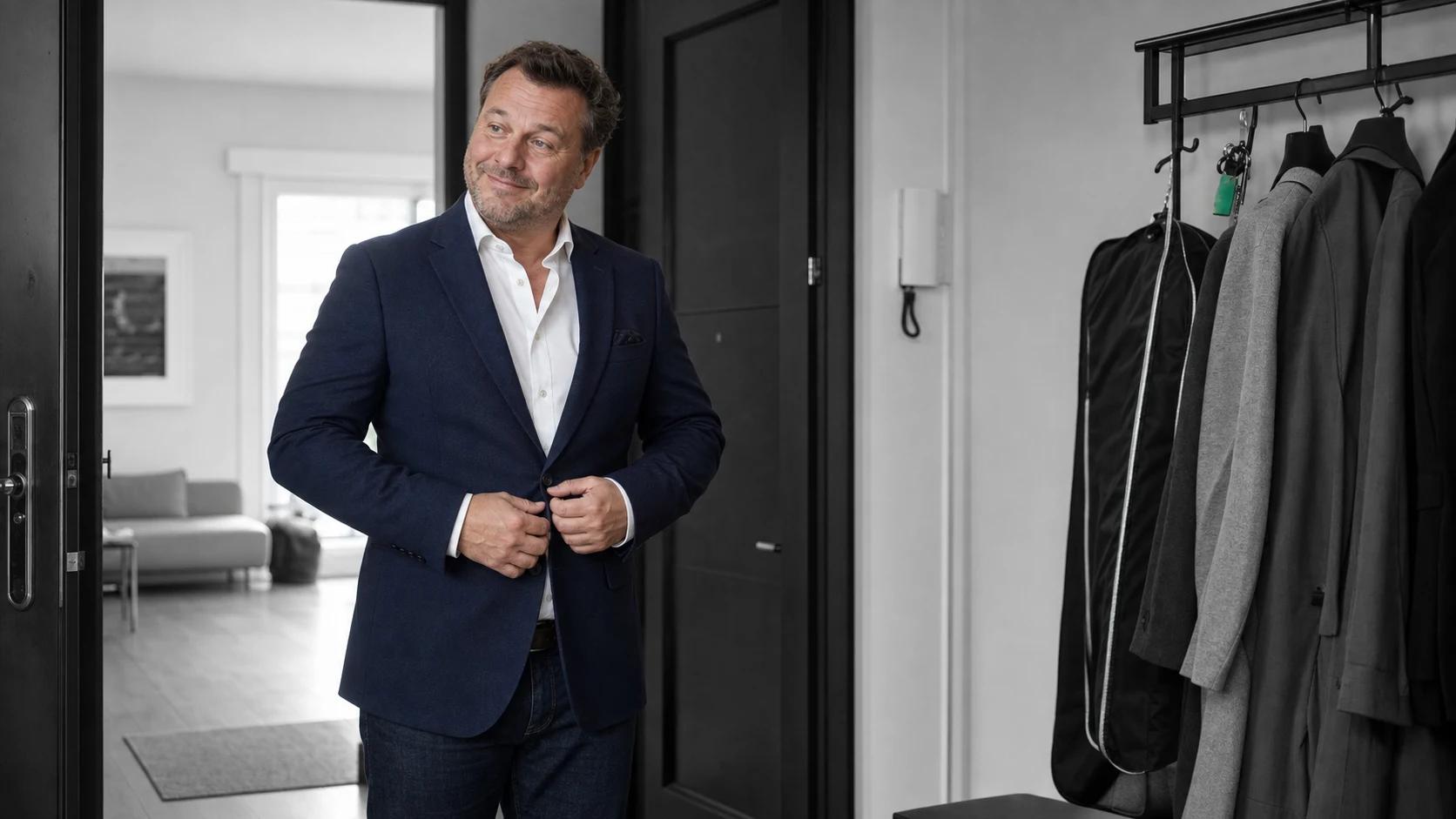
Passe en Størrelse
Tøj er et af de mest ærlige mål for fremskridt. I modsætning til vægten svinger det ikke med væskebalancen og lyver ikke efter et stort måltid. Uanset om du vil passe tilbage i en gammel favorit eller sigter mod en ambitiøs ny størrelse, arbejder du mod noget konkret og håndgribeligt. At bruge tøjstørrelse som mål er især kraftfuldt, hvis du vil undgå den daglige vægt — tøj giver ærlig, motiverende feedback, som vægten aldrig kunne give.
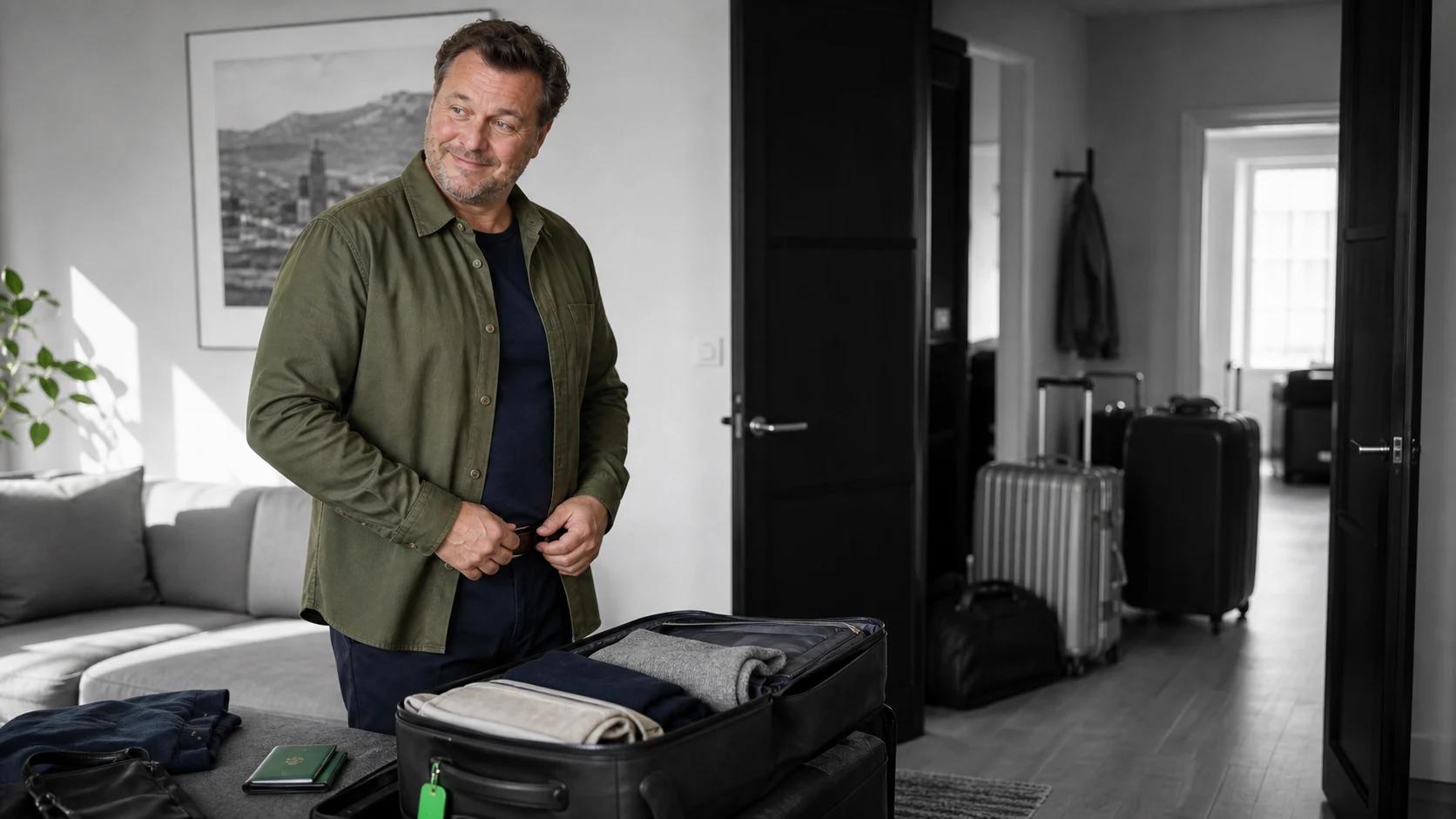
Flysædet
En almindelig stol skal ikke være en kilde til spænding. Arbejd hen mod at rejse uden på forhånd at bekymre dig om, hvorvidt du får plads.
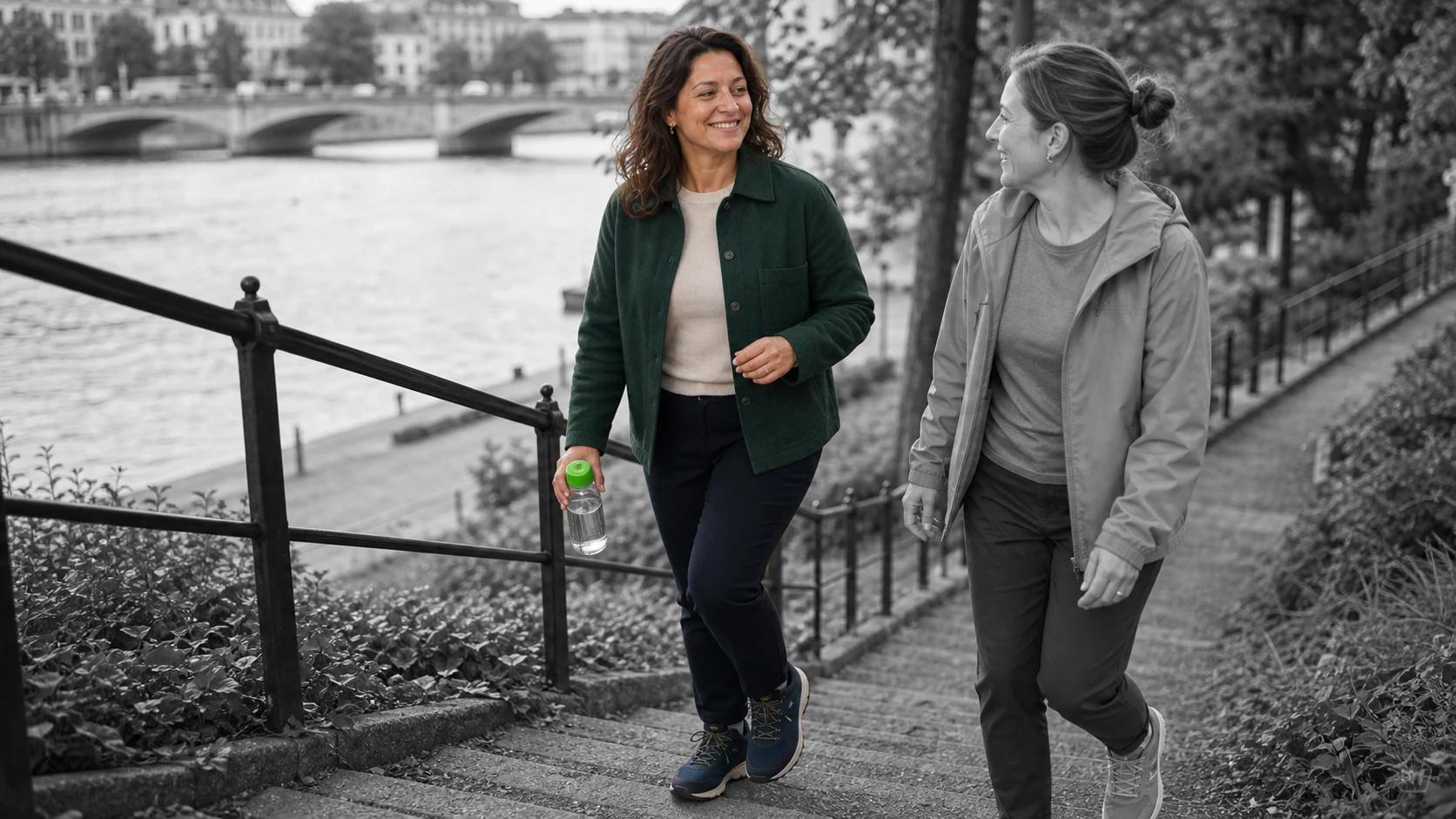
Bevæge sig uden at tænke over det
Ekstra vægt gør rejsning, bøjning og trapper til små forhandlinger. Målet er at få den almindelige bevægelsesfrihed tilbage.
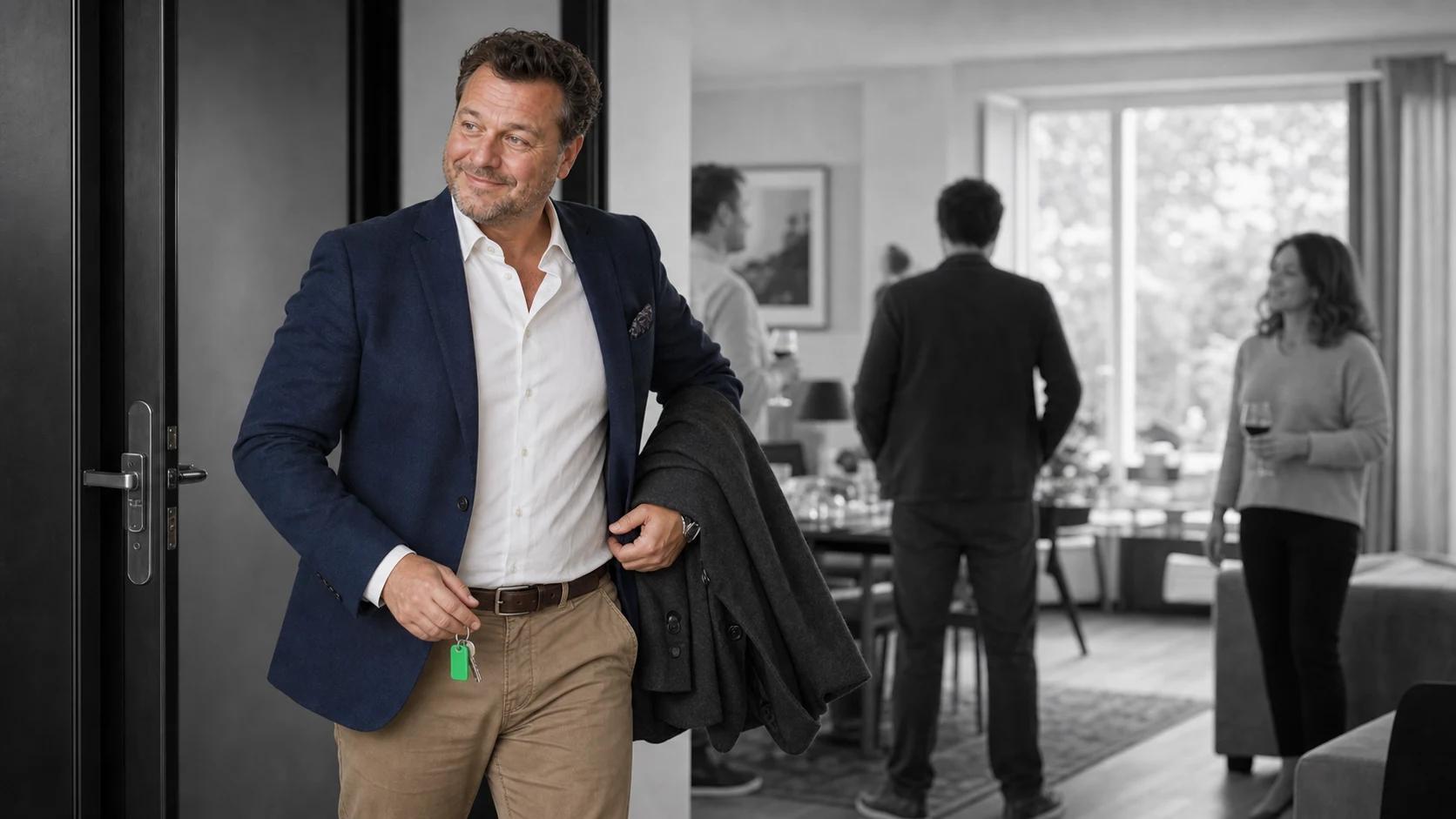
Den tungeste person i rummet
At hele tiden vurdere, hvordan kroppen forholder sig til andre, er udmattende. Brug ubehaget til i sidste ende at gøre opmærksomheden friere.

Gemme sig i tøj
Vælger du stadig tøj efter, hvad der skjuler bedst? Arbejd hen mod en garderobe, der igen handler om, hvad du rent faktisk kan lide.
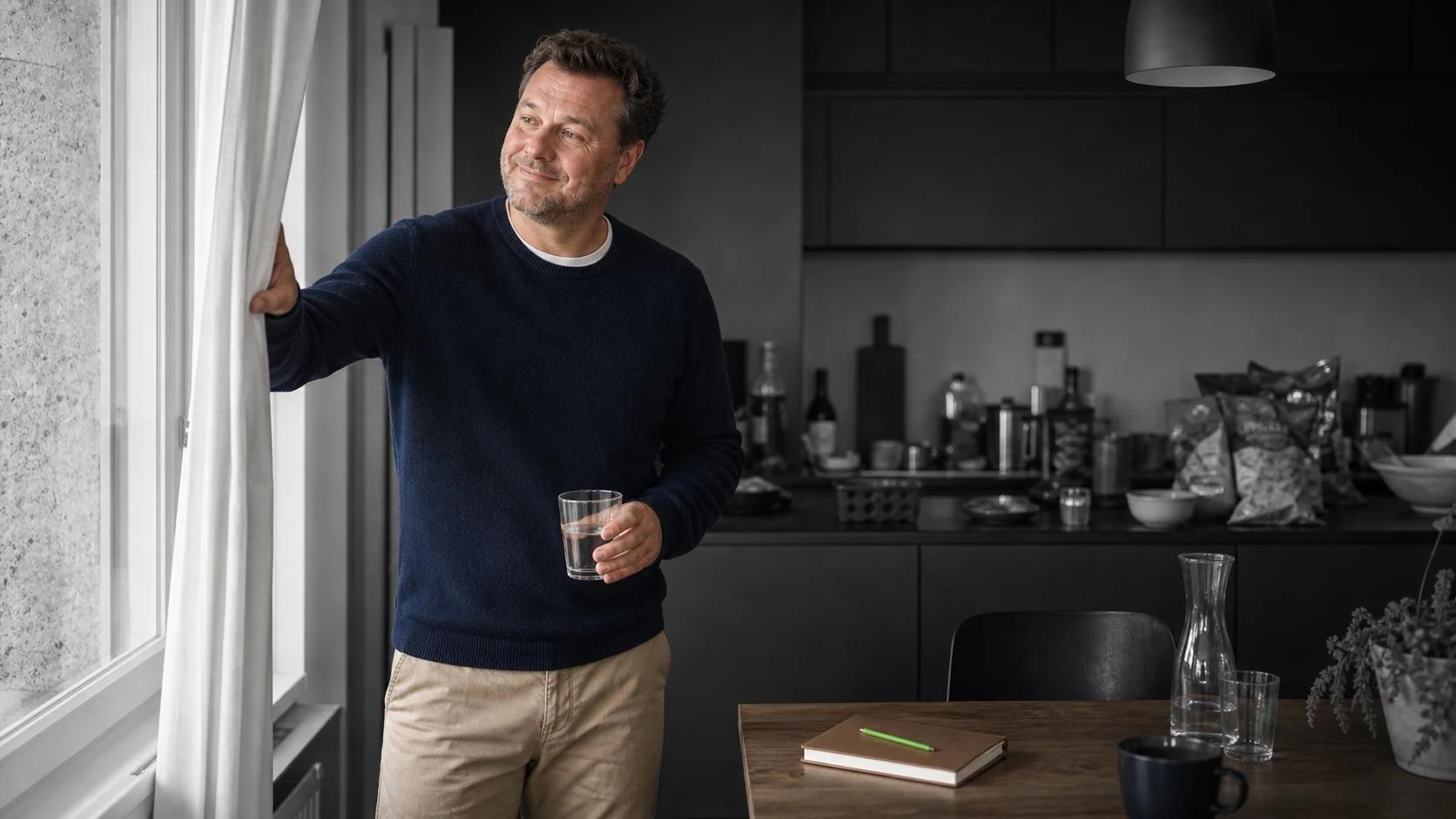
Hvor blev energien af?
Mindre energi sniger sig ind langsomt. Målet er at holde op med at leve omkring den konstante træthed og få dagens margen tilbage.
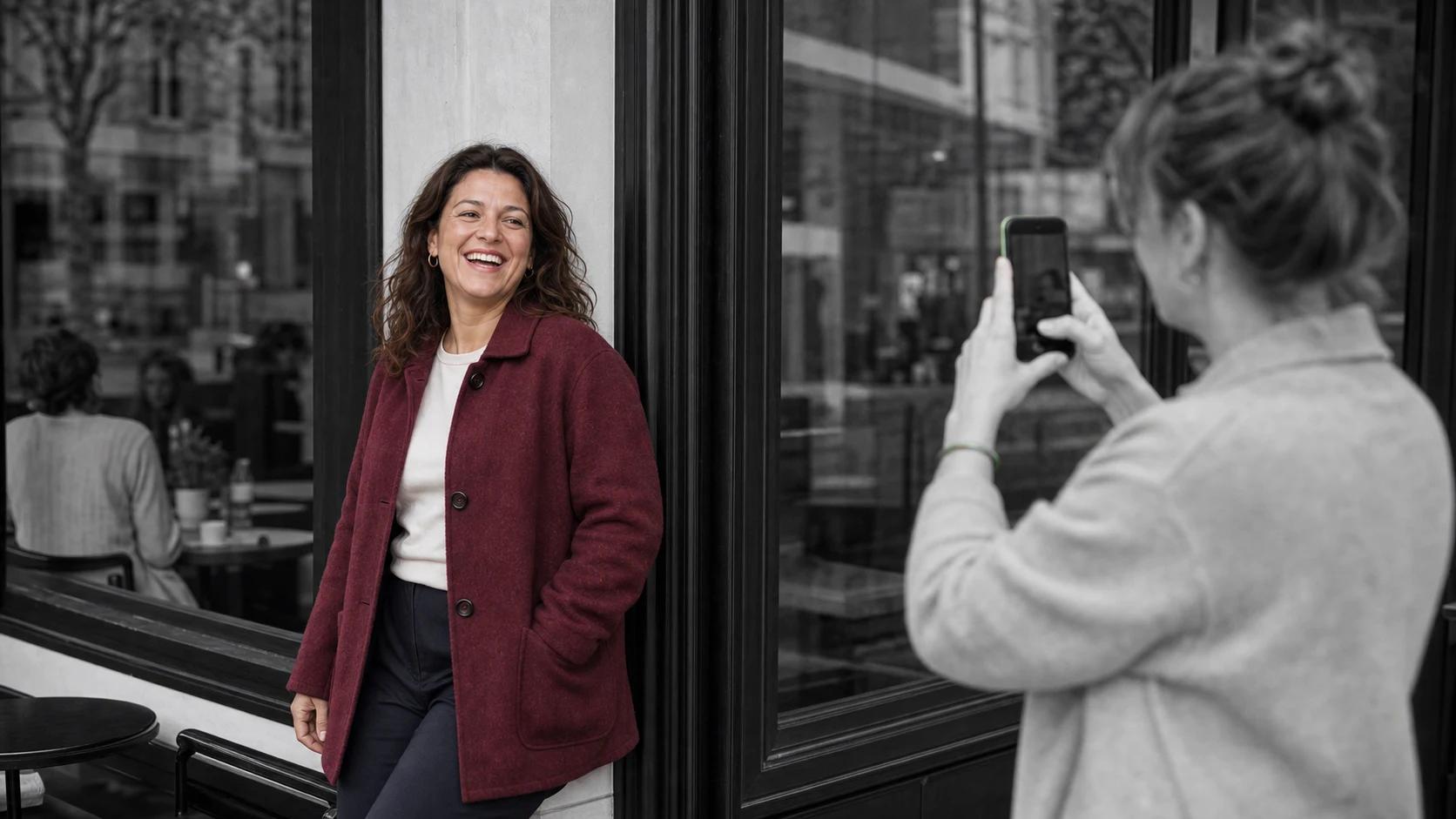
Stop med at gemme dig for billeder
Hold op med at stille dig bagerst eller altid tage kameraet. Du må gerne ses på billederne fra dit eget liv.
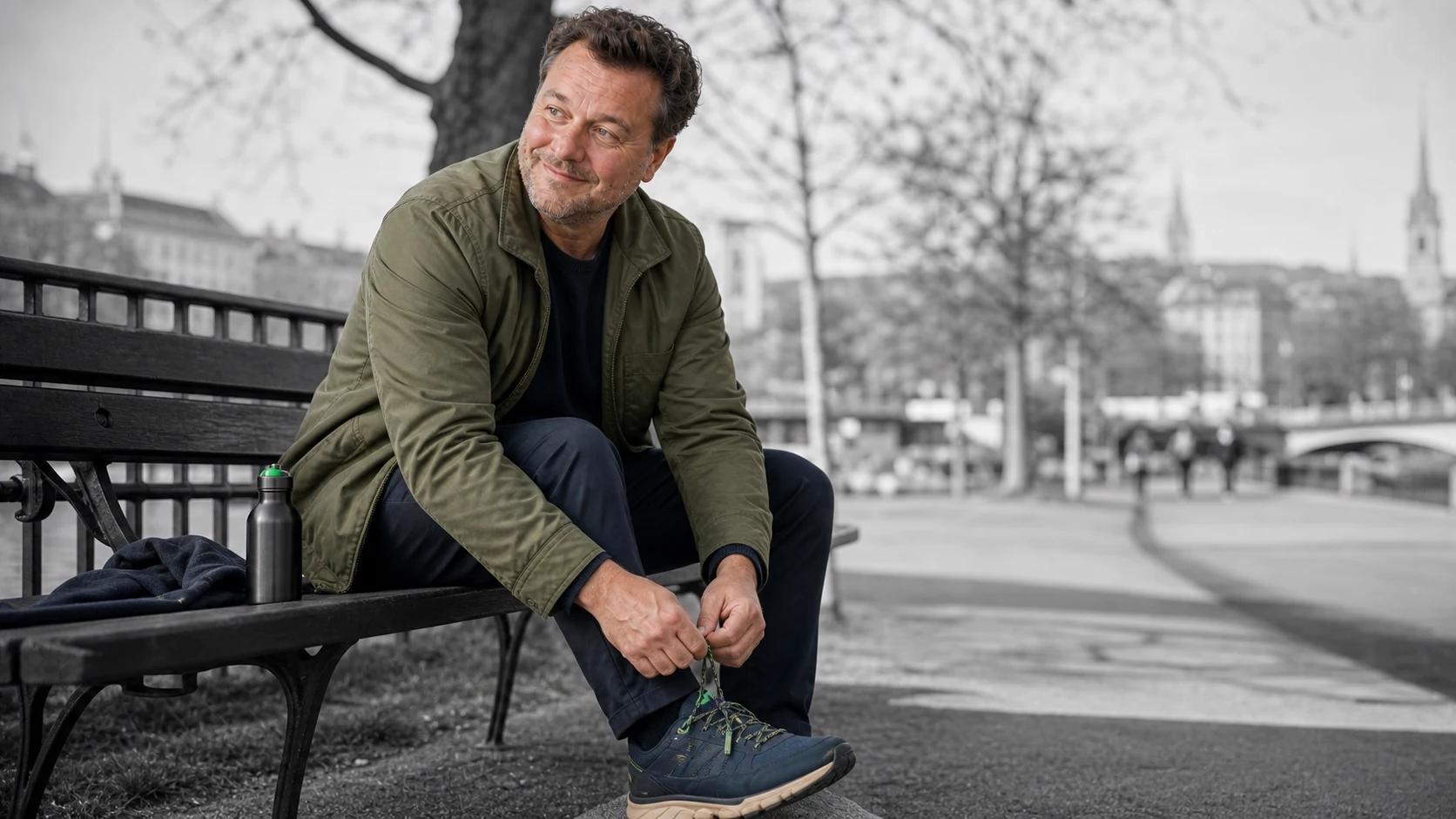
Når leddene advarer
Smerte i knæ, hofter eller lænden fortjener opmærksomhed. Mindre vægt kan sænke belastningen, men lad vedvarende smerte blive vurderet.
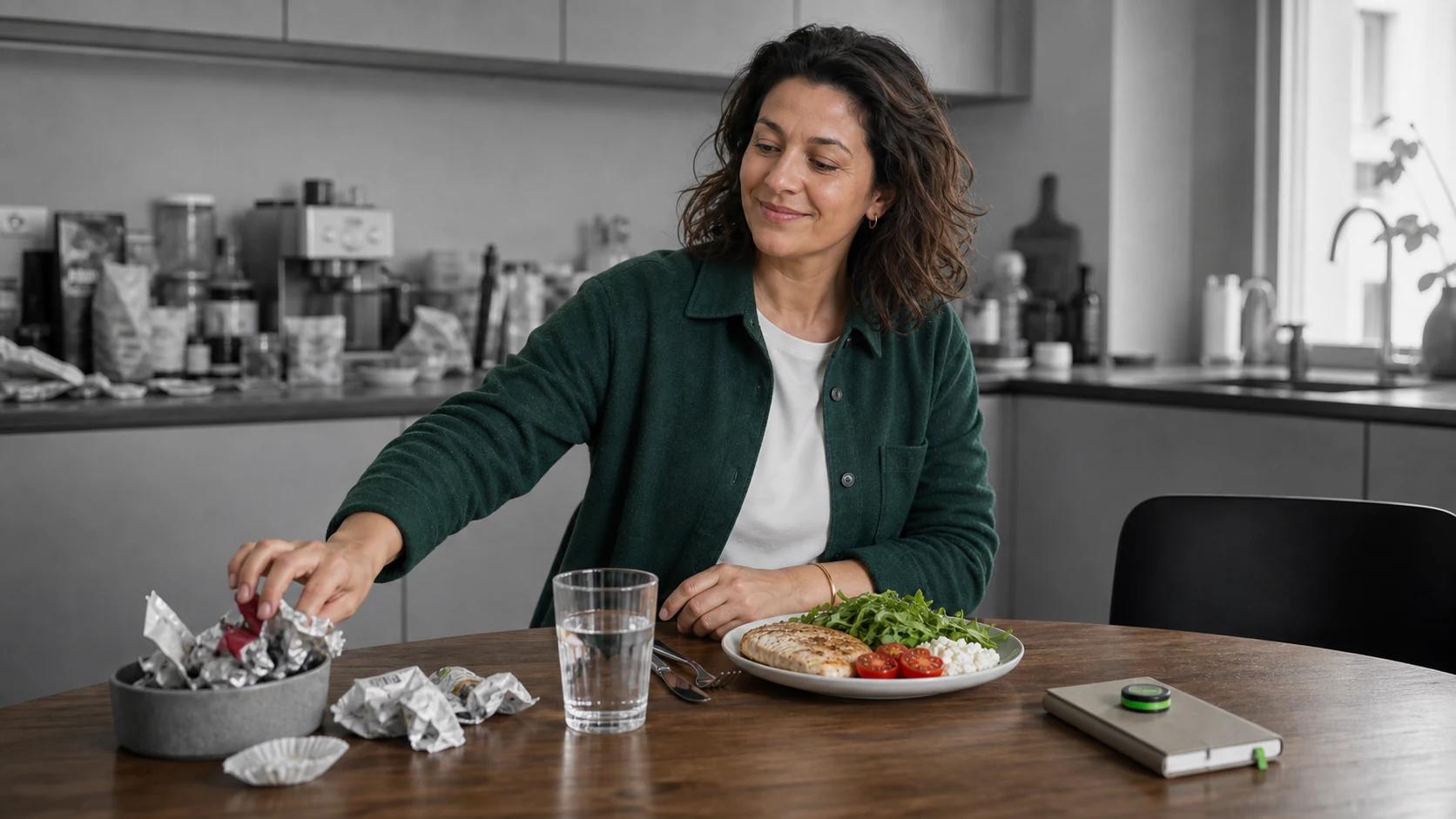
Når maden styrer hele dagen
Hvis du fra morgen til aften forhandler med maden, forsvinder glæden. Tydelig struktur kan give hovedet mere plads igen.
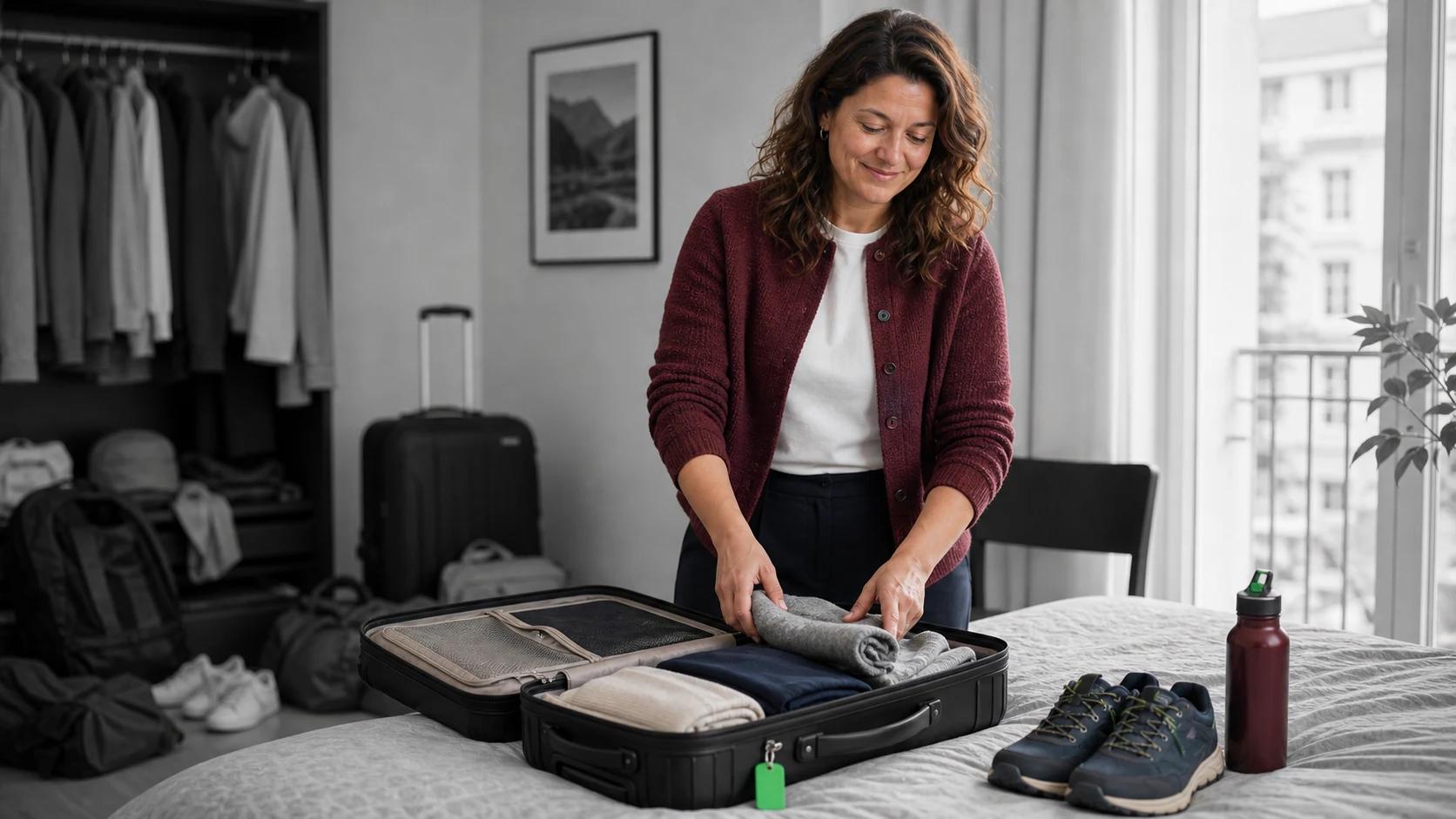
Ængsteligheden for at rejse
Ekstra vægt kan forvandle en rejse til en liste af varme, trapper, køer og siddepladser. Genvind rummet til faktisk at være et sted.
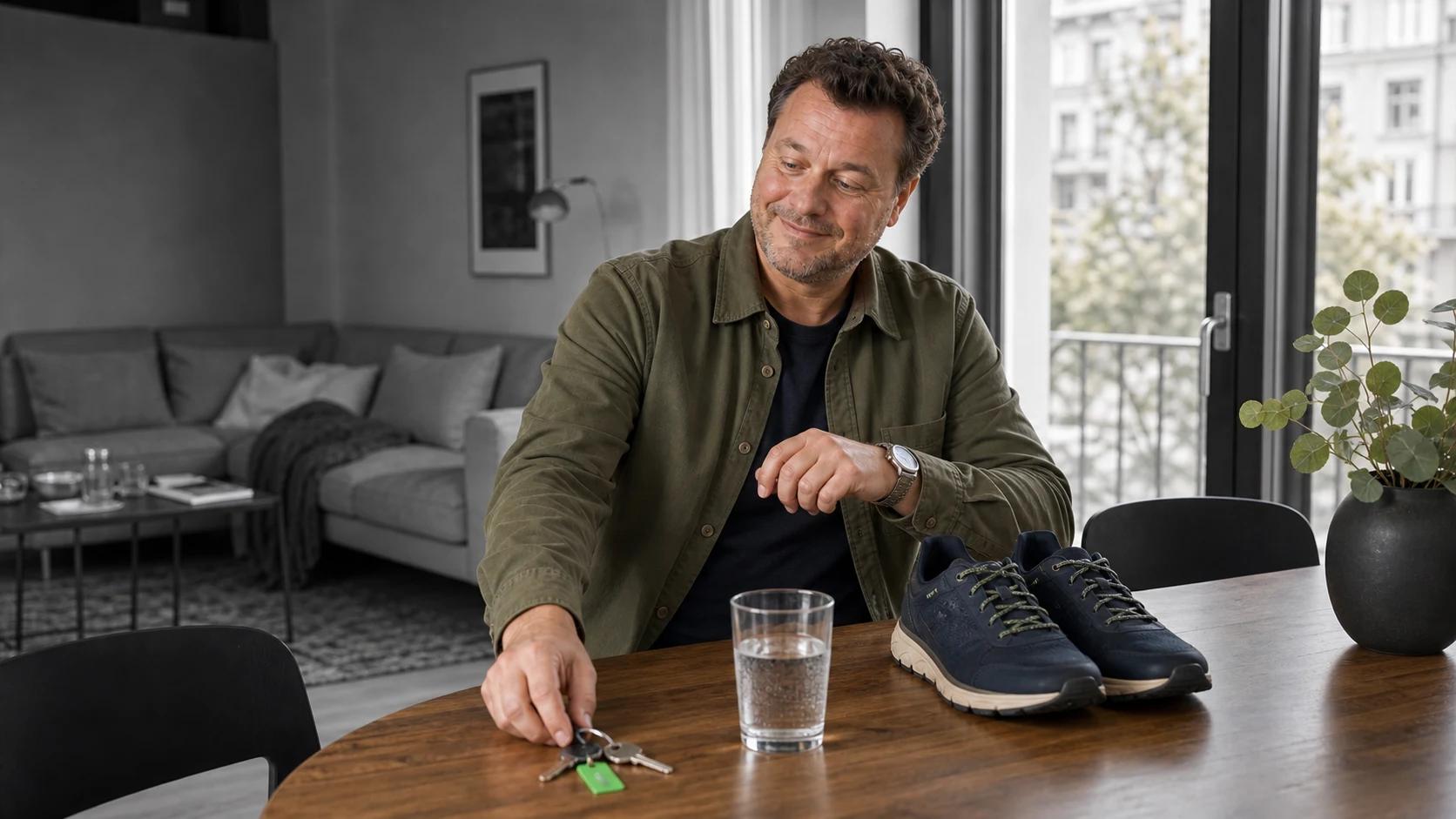
Den usynlige skat
Ekstra vægt giver sig ikke altid til kende med smerte. Ofte betaler du hver dag umærket med lidt mere anstrengelse og mindre reserve.
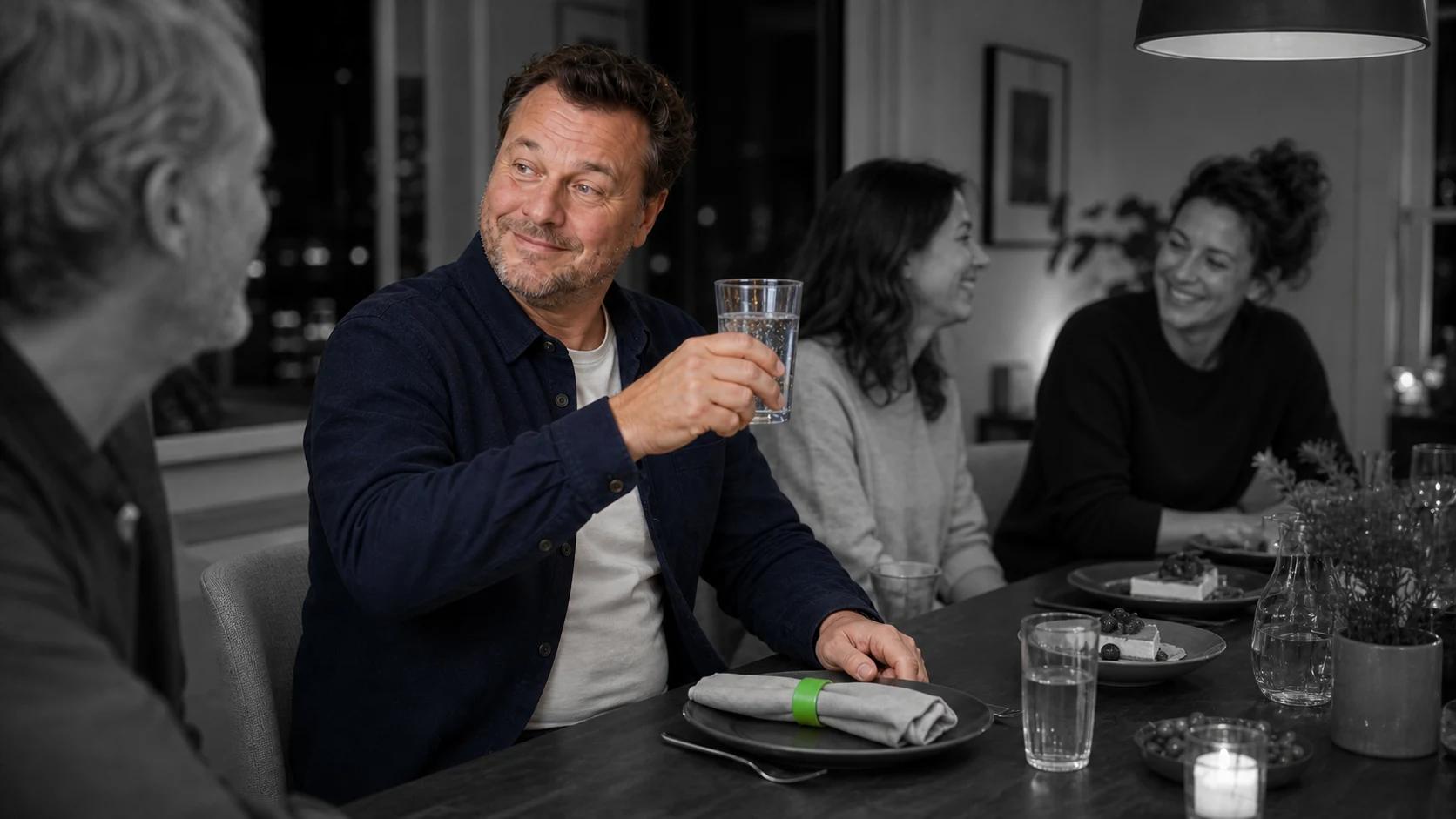
Skyggen af dit første vægttab
At tabe vægt igen er svært, når du allerede har været langt tidligere. Brug historien som bevis, ikke som bebrejdelse.
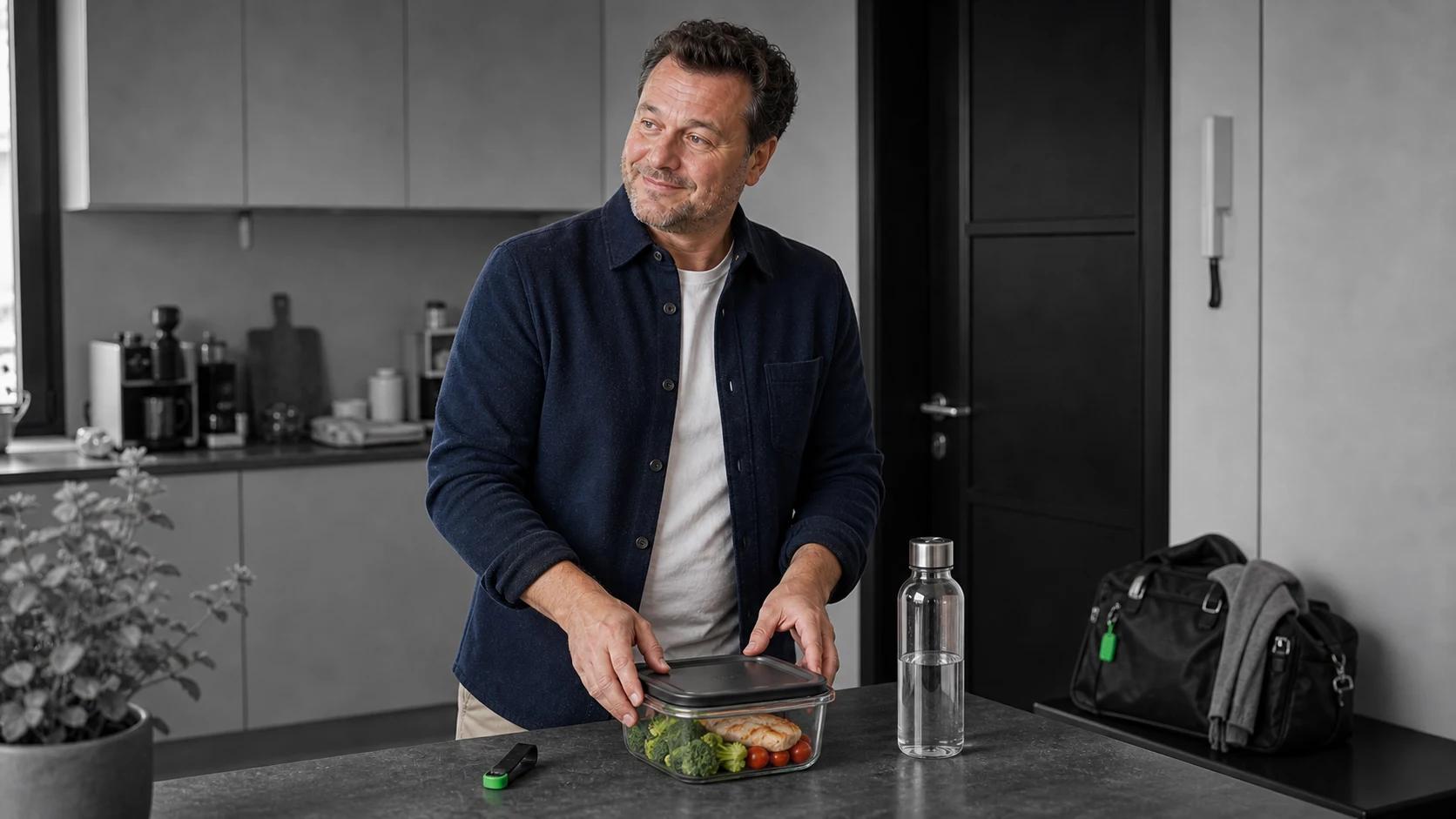
Hold planen for dig selv et stykke tid
Tidlige bekendtgørelser giver nogle gange belønning, før du har gjort noget. At arbejde stille kan gøre planen roligere og mere uafhængig.

Gøre det, du har lovet dig selv
Under maden, gåturene og vejningen ligger et enklere spørgsmål: kan du stole på dit eget ord, når ingen ser til?
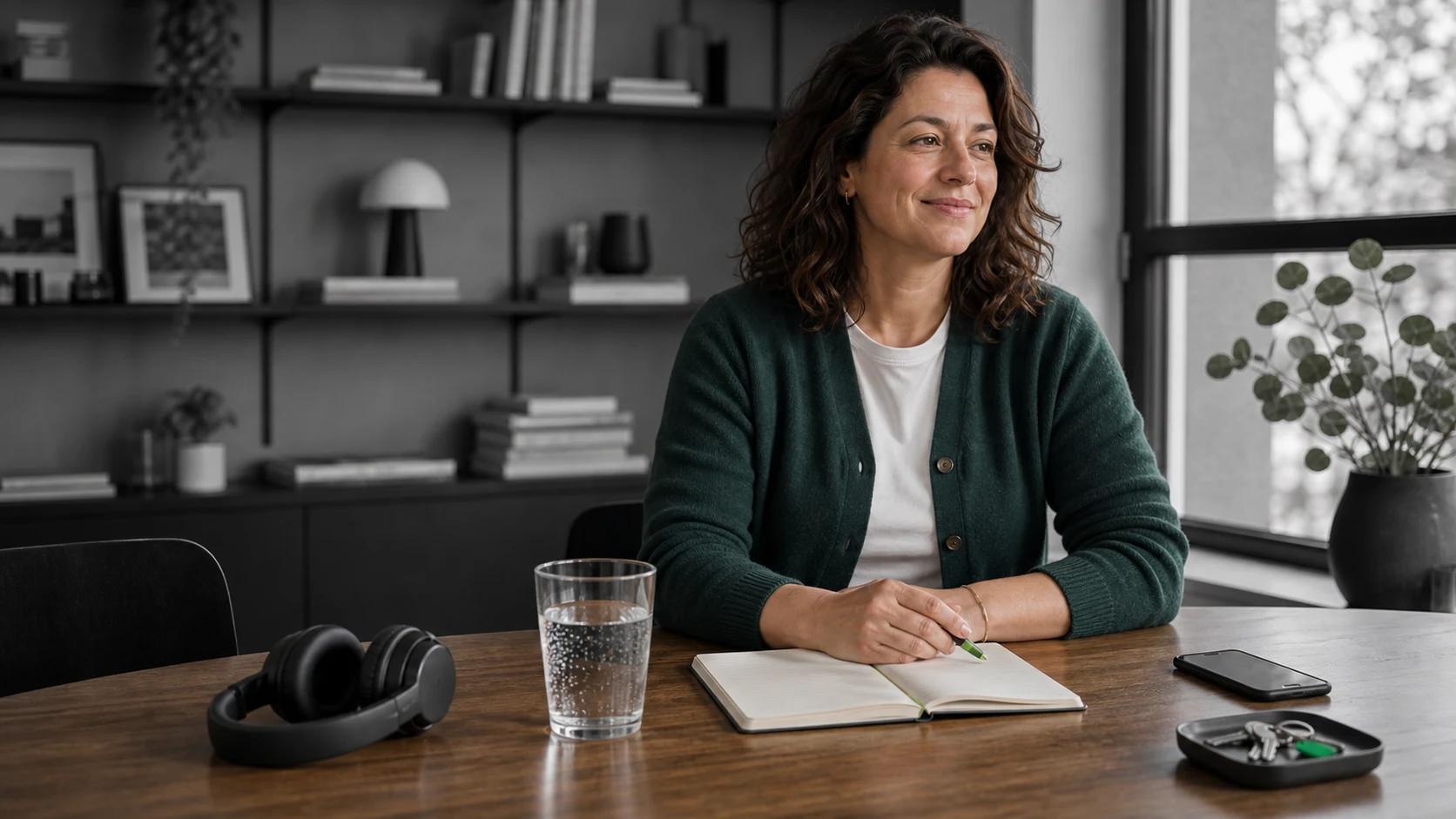
Uroen der altid ligger i baggrunden
At tjekke en stol, vurdere en smal bænk eller være bange for at tøjet revner kræver konstant opmærksomhed. Viljen til at slippe af med den uro er grund nok.

Når kroppen hele tiden kræver opmærksomhed
Varme, stramt tøj og friktion kan gøre almindelig tilværelse til en højrøstet kropslig oplevelse. Mindre belastning giver ro.
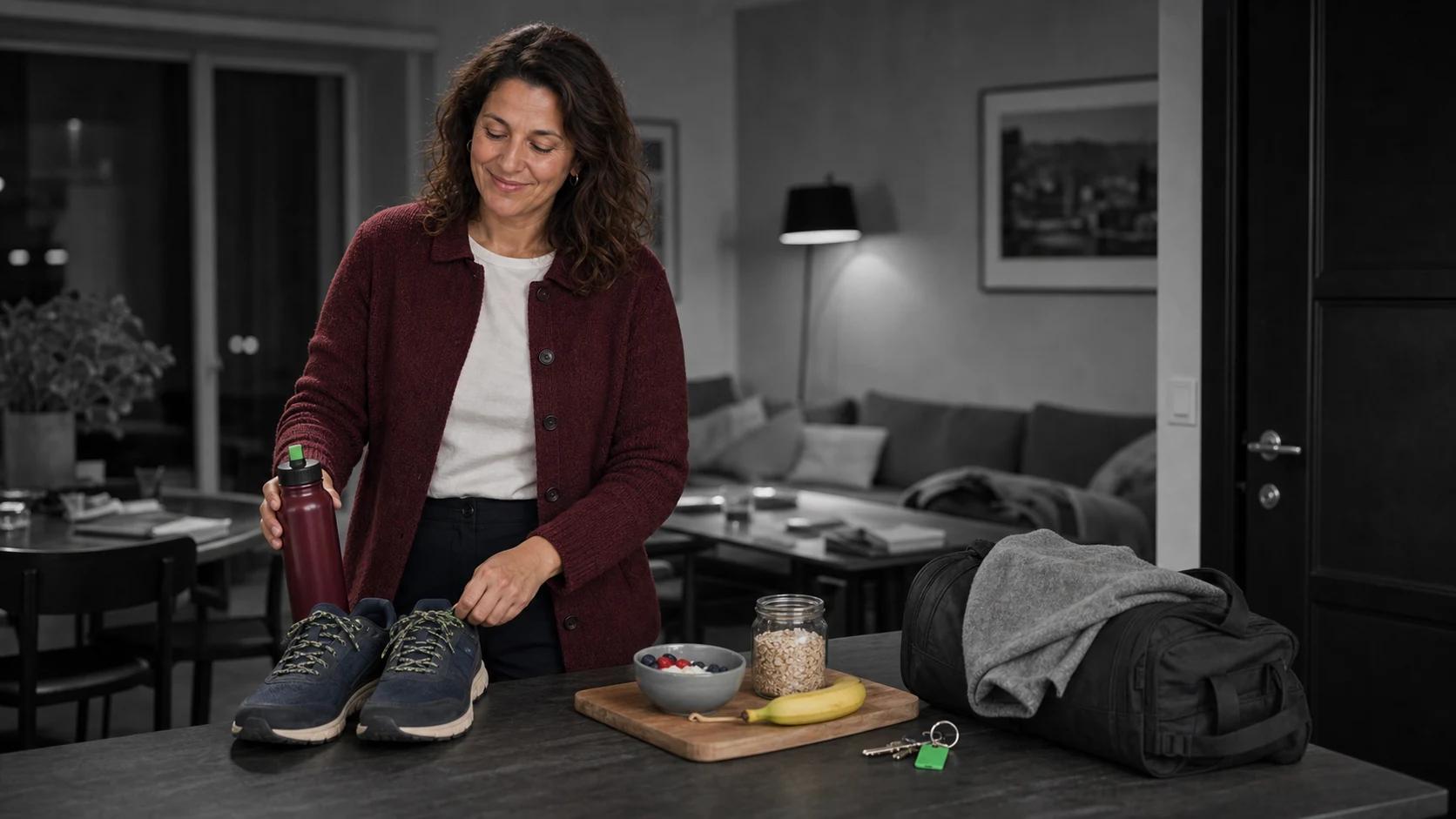
Beskyt rytmen
Efter en uge, hvor du har fulgt planen, ændres opgaven. Fra da af beskytter du det, du allerede har bygget op.
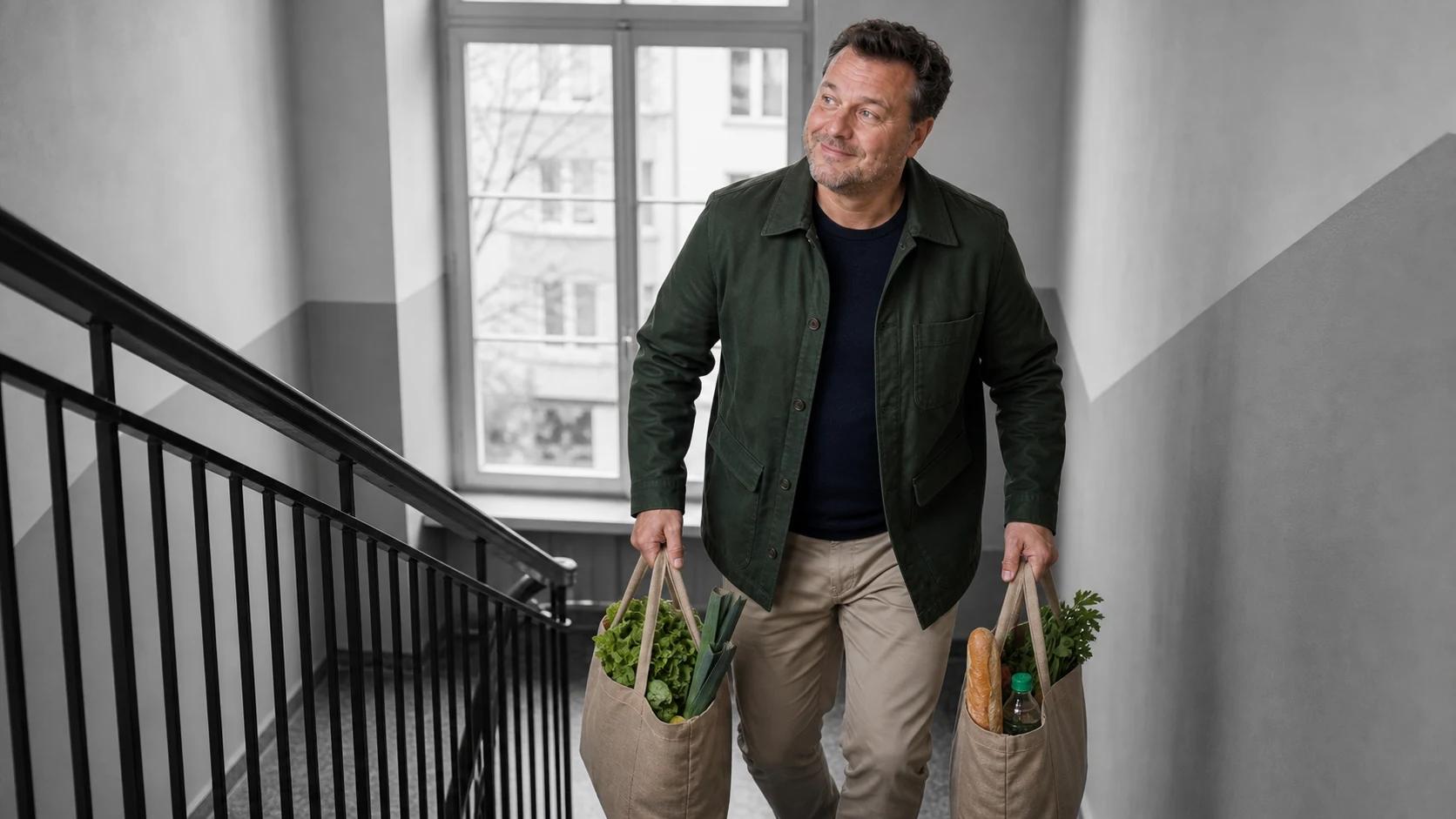
Kunne mere med kroppen
Kropslig frihed sidder i margenen til uden at tøve at sige ja til en lang gåtur, en tung pose eller en aktiv dag.

Kunne fortsætte med at være til stede
Når mennesker regner med dig, handler sundhed også om at fortsætte med at være tilgængelig: mobil, klar og deltagende i det liv, du deler med dem.
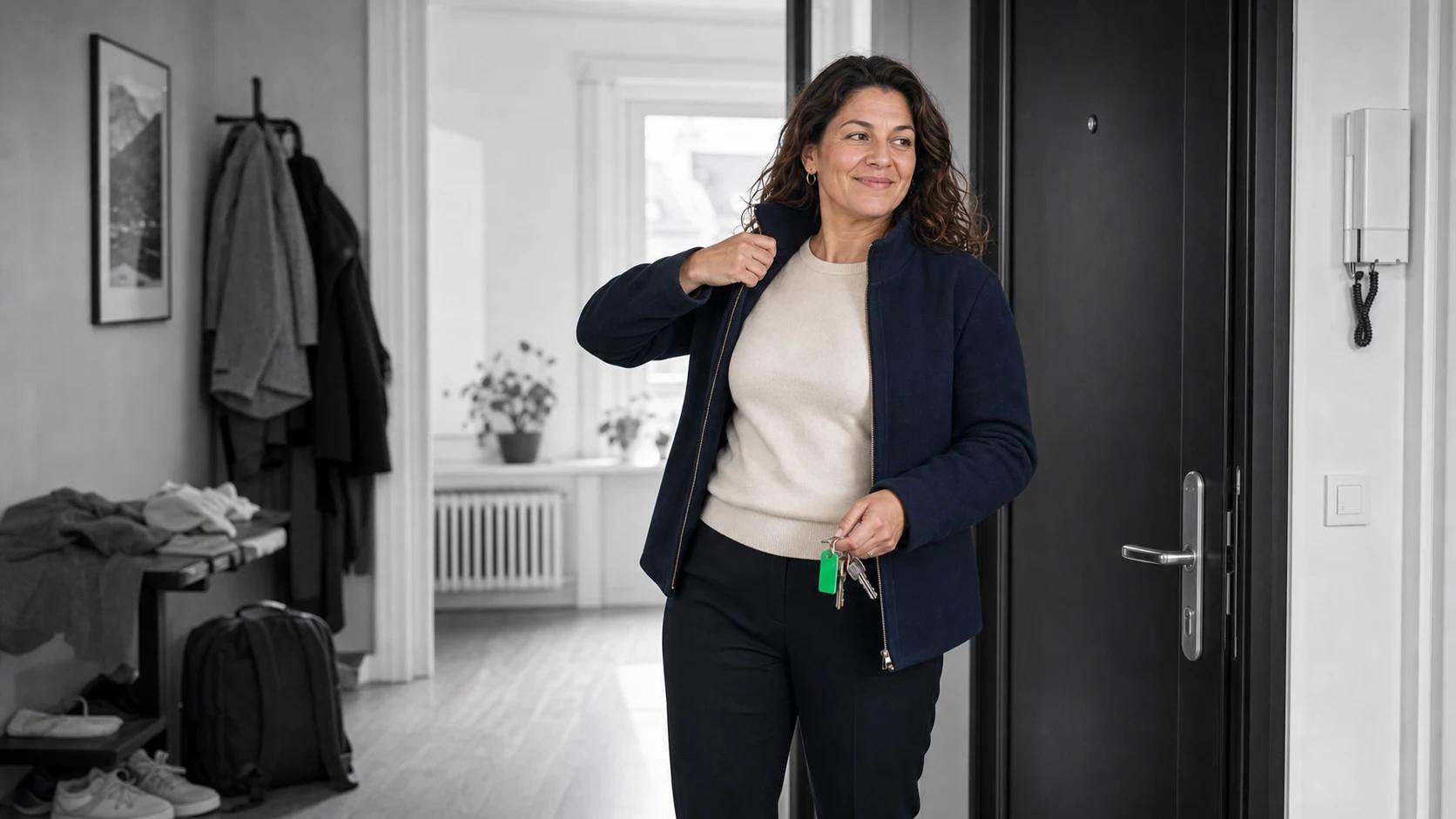
Få kontrollen tilbage over hvad du gør
Selvtilliden vokser, når du mærker, at en beslutning også bliver til handling. Byg den kontrol med små aftaler, du kan holde.
Fortsæt med struktur

Protokoloversigt
Brug den tre-fasede struktur til at omsætte motivation til daglig handling.

Guidebibliotek
Læs praktiske vejledninger om faste, kalorieunderskud, gåture og vedholdenhed.

Funktioner i appen
Åbn funktionssider og gør dine intentioner til konkrete, målbare handlinger hver dag.

Madguider
Brug gentagelige måltidsstrukturer, der støtter din plan, selv når du er presset.