Walking as a Weight Loss Tool
Walking is the primary exercise in this protocol. Not the gym. Not running. Not HIIT classes. Walking. This article explains why it works, how much it burns, and why it's the most reliable tool for protecting your calorie deficit.
Why Walking, Not the Gym
The gym requires motivation, planning, equipment, and recovery. Running is hard on your joints when you're overweight. Both are easy to skip and hard to sustain over months. Walking is different. You put on shoes and leave the house. That's it.
When you're in a calorie deficit, your energy is limited. You don't have the fuel for intense workouts. But you can always walk. A 90-minute walk burns roughly 400-500 calories depending on your weight and pace. That's significant. That's the difference between a day where your deficit works and a day where it disappears.
Walking doesn't require recovery days. You can do it every day. You can do it while listening to a podcast or an audiobook. And you can do it at any fitness level, at any weight. For people who are significantly overweight, walking is the most realistic activity. It's low-impact, requires no equipment, and scales with your schedule.
The Numbers
A daily 90-minute walk at a moderate pace burns approximately 400-500 calories. Here's how that stacks up.
If your daily burn without exercise is 2,500 calories and you eat 1,500 calories, your deficit is 1,000 calories. That's about 130 g of fat lost per day, or roughly 1 kg (2.2 lbs) per week.
Now add the walk. Your total burn goes to 2,900-3,000 calories. Your deficit jumps to 1,400-1,500 calories. That's nearly 200 g of fat per day.
Two strong walking days with controlled eating can result in about 0.5 kg (1.1 lbs) of pure fat loss. Two days. That's the power of walking combined with a real deficit.
What Fat Adaptation Does for Walking
After a 60-hour water fast, your body switches from burning carbs to burning fat. Once you're fat-adapted, something remarkable happens: you can walk for hours without hunger.
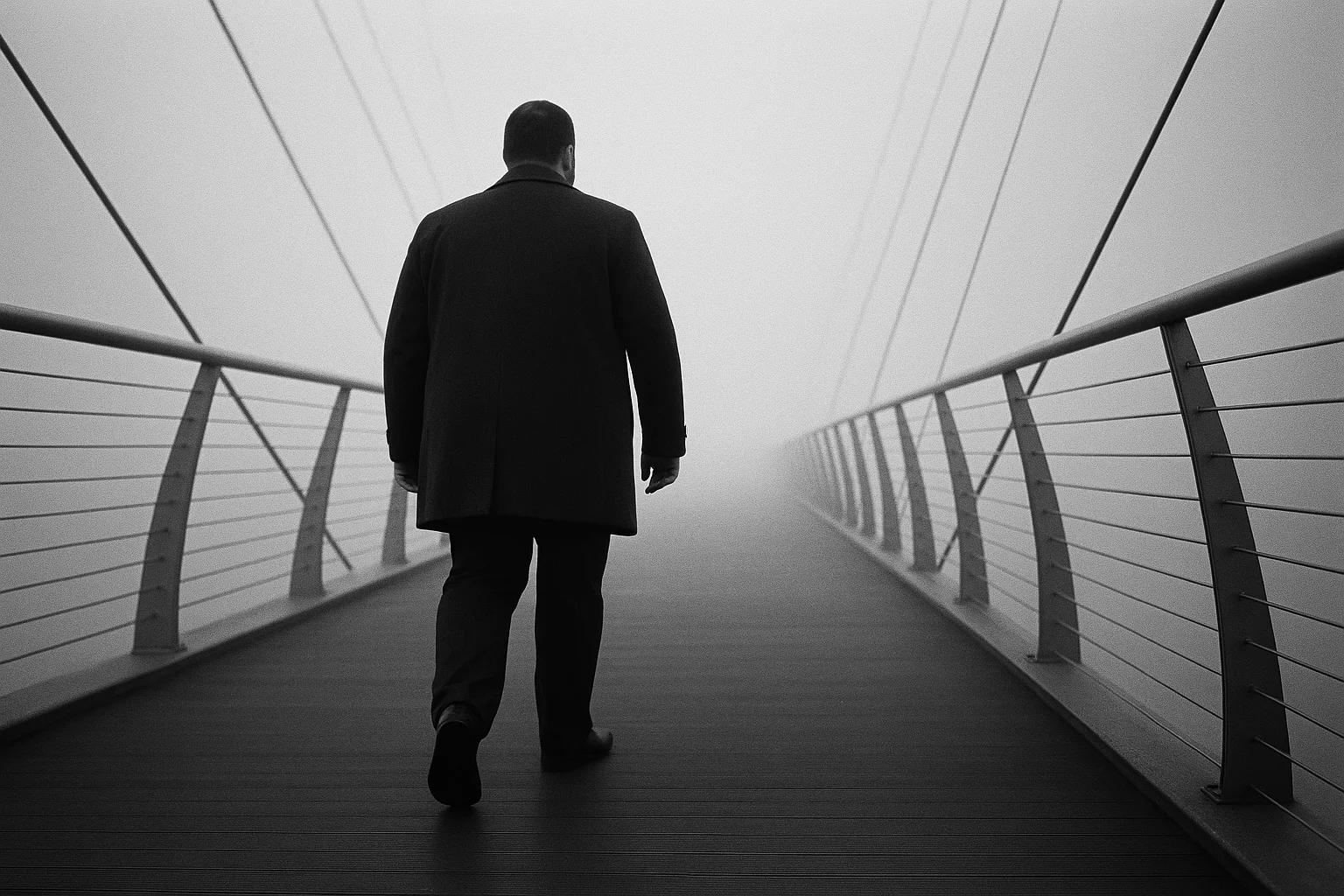
I regularly walked 3-6 hours per day through the city during my weight loss. On those days, I burned 250-300 g of fat. That's not a theoretical number. That's real fat, gone, from walking.
When you're still sugar-adapted, a long walk makes you hungry. Your body wants quick fuel. But when your body runs on fat, it has access to tens of thousands of stored calories. You can walk for three, four, five hours and feel fine. No crash. No shaking. No desperate need to eat.
This is why the fasting-then-walking combination is so effective. The fast switches the fuel source. The walking burns the fuel. Right after a fast, your glycogen is low and fat oxidation is still high. Walking in this window burns more fat than walking in a fully fed state. The first few days after the fast are the highest-leverage walking days you'll have.
Walking as Your Safety Buffer
Your calorie deficit has a margin of error. If you're aiming for a 1,000-calorie daily deficit and you eat 200 calories more than planned, your deficit drops to 800. That still works.
Now take away the walk. Your total burn drops by 400-500 calories. That 200-calorie overshoot now puts you at a 300-calorie deficit. That's basically maintenance. One extra snack and you're at zero.
The walk is your safety buffer. It gives you room for small mistakes. An extra egg. A slightly bigger portion. A forgotten tablespoon of oil. The walk absorbs these errors and keeps your deficit alive.
When you skip the walk, your margin for error shrinks to almost nothing. Every bite counts. Every gram of food is a potential problem. That's an exhausting way to live. The walk buys you flexibility.
City Trips as Proof of Concept
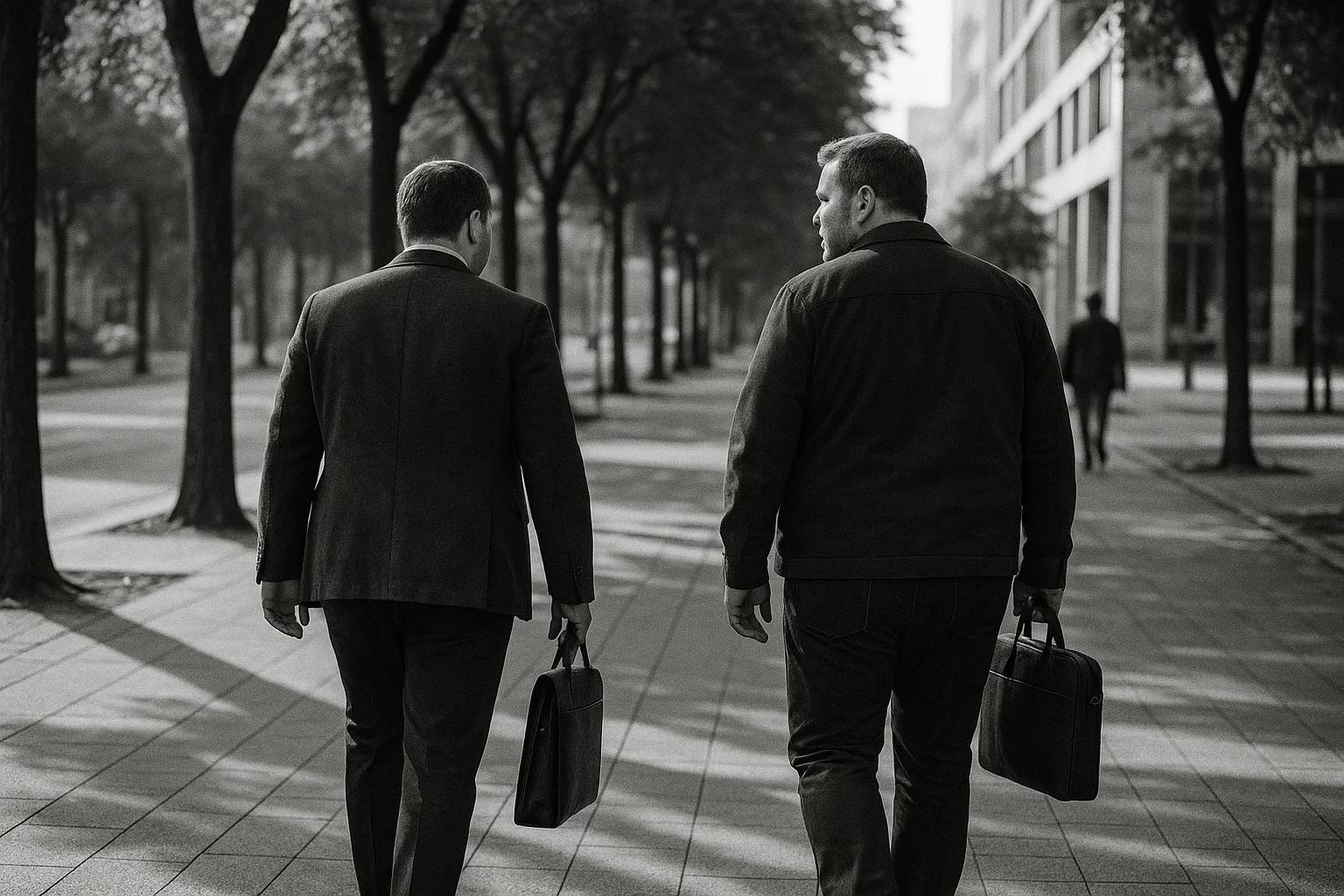
City trips were some of my biggest weight loss accelerators. Three to five hours of walking per day over several days, combined with controlled eating.
These trips create high-leverage moments. You're exploring, so the walking doesn't feel like exercise. You're away from your kitchen, so snacking is harder. You're burning massive calories while naturally eating less.
If you can walk five hours in a city and feel fine, you have proof that your body can handle long walks. Take that proof home. You don't need a vacation to walk for two or three hours. You just need a route and a podcast.
Sometimes opportunities come from unexpected places. Travel disruptions that close restaurants. A weekend in a new city where you explore on foot. A few days of natural reduced eating combined with hours of walking. These moments create strong downward impulses on the scale. Capitalize on them when they show up.
What Happens When You Stop Walking
I tracked this carefully. On days when I maintained my 90-minute walk, my calorie deficit held. My projections matched reality. The weight came off as expected.
On days I skipped the walk, my intake crept up and my burn dropped. The numbers stopped working. The walk isn't optional in this protocol. It's structural. It's what makes the math add up.
Without the walk, you'd need to eat significantly less to maintain the same deficit. That means more hunger, more restriction, and more willpower spent resisting food. The walk lets you eat a reasonable amount of food and still lose weight.
During maintenance, the walk becomes even more valuable. It gives you an extra 400-500 calories of breathing room. That's the difference between feeling restricted and feeling comfortable. You can have a slightly larger dinner. You can add cheese to your omelet without worrying. The walk absorbs it.
The Podcast and Audiobook Effect
A 90-minute walk sounds long until you pair it with something you're interested in. Podcasts, audiobooks, music, or phone calls turn the walk into time you look forward to.
I started associating my walks with specific podcasts. The walk became the time I listened to things I cared about. After a few weeks, I wasn't walking because I had to. I was walking because that's when I caught up on the things I wanted to hear.
This pairing is important. If the walk feels like punishment, you'll skip it. If the walk is when you listen to your favorite show, you'll put your shoes on without thinking about it.
Making Walking a Daily Habit
The trick is making the walk non-negotiable, like brushing your teeth.
- Walk at the same time every day. Morning works best because it's done before the day gets complicated.
- Pair it with something you enjoy. Podcasts, audiobooks, music, phone calls.
- Target 90 minutes. If you can only do 60, do 60. But 90 is the sweet spot for calorie burn.
- Track your walks. Seeing the data reinforces the habit.
- On days when you don't feel like it, walk for 15 minutes. You'll usually keep going.
- Use shopping trips as walking opportunities. Walk to the store instead of driving if possible.
- On big walking days (3+ hours), enjoy the extra calorie budget. Two long walking days per week can account for 0.5 kg of fat loss on their own.