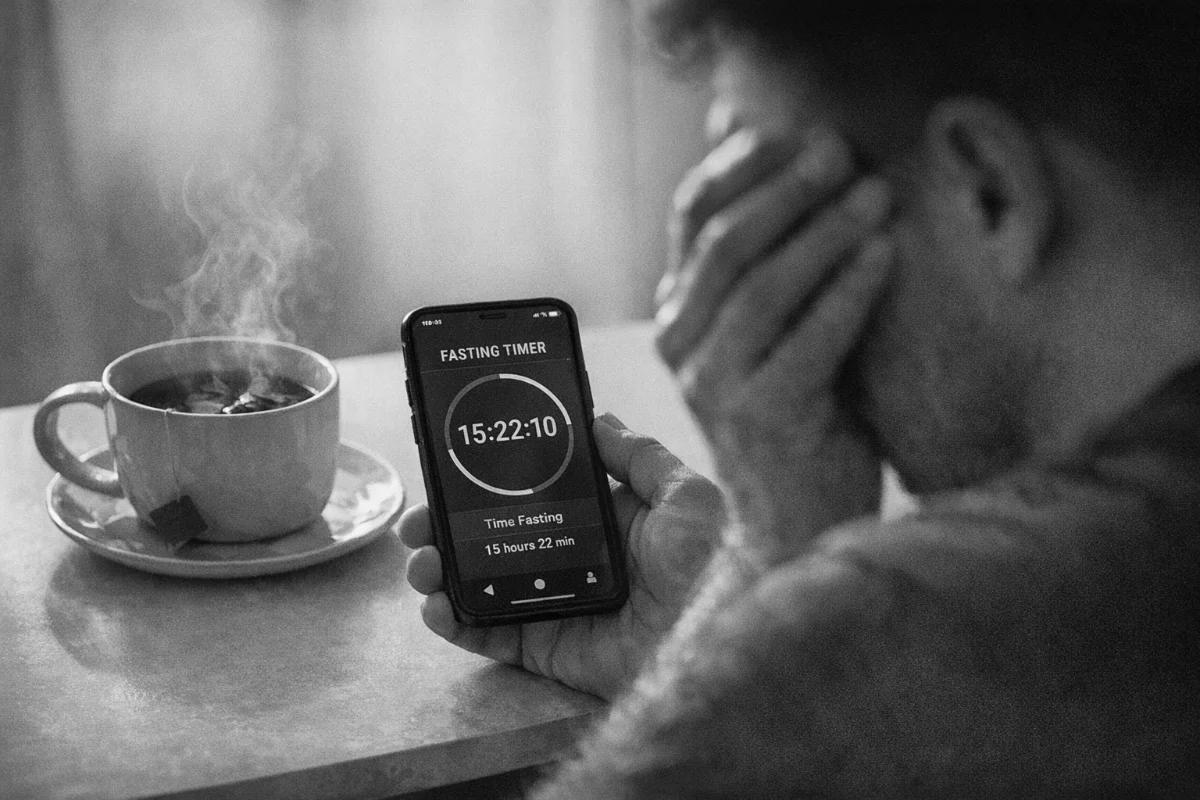
Embarking on the second day of a 60-hour fast often feels like a continuation of the initial day, with only slight differences. By now, you've acclimated somewhat to the fasting routine. A crucial tip for enhancing this experience is to begin the fast retroactively. This approach involves abstaining from late-night eating and deciding to start the fast the following morning. When you open your fasting app, set the timer to begin from the previous evening. This method can provide a psychological boost, as you might find yourself already 15 to 20 hours into the fast, creating a sense of momentum and progress as you near the 24-hour mark.
The first night of fasting tends to be manageable as your body is still processing leftover sugars. During this phase, your digestive system is clearing out, making the process feel more straightforward. As you enter the second day, staying occupied can help ease the experience. Engaging in work or following a routine keeps your mind off the fast, allowing you to remain in fasting mode without constant reminders. The app's timer serves as a subtle anchor, letting you check your progress without obsessing over it.
As you approach the 48-hour mark on the second day, you realize that another 12 hours will bring you to the 60-hour milestone. Traditionally, the second night is more challenging as your body shifts deeper into fat-burning mode, which can trigger hunger pangs and mood swings. It's common to experience emotional fluctuations during this time, and having understanding people around you or taking some quiet time can be beneficial.
Experience plays a vital role in managing these sensations. Knowing what to expect can transform the discomfort into something you observe rather than fear. This mindset shift from "I have to do this" to "I chose to do this" makes the fast more manageable. Planning the fast in advance also helps, as anticipation turns it into a deliberate choice rather than an obligation.
The FastNow app's scheduling feature supports this mindset by allowing you to plan extended fasts and challenges. Anticipation can make the process easier, but there's more to the second day than just waiting for the next milestone. As you reach the 60-hour mark, you have two options: continue to a full 72-hour fast if you're feeling well or stop around 60 hours and transition to a calorie-restricted phase of the program. Personally, I usually stop at 60 hours unless there's a compelling reason to continue, preferring to transition into controlled eating and move forward with the structured diet phase.
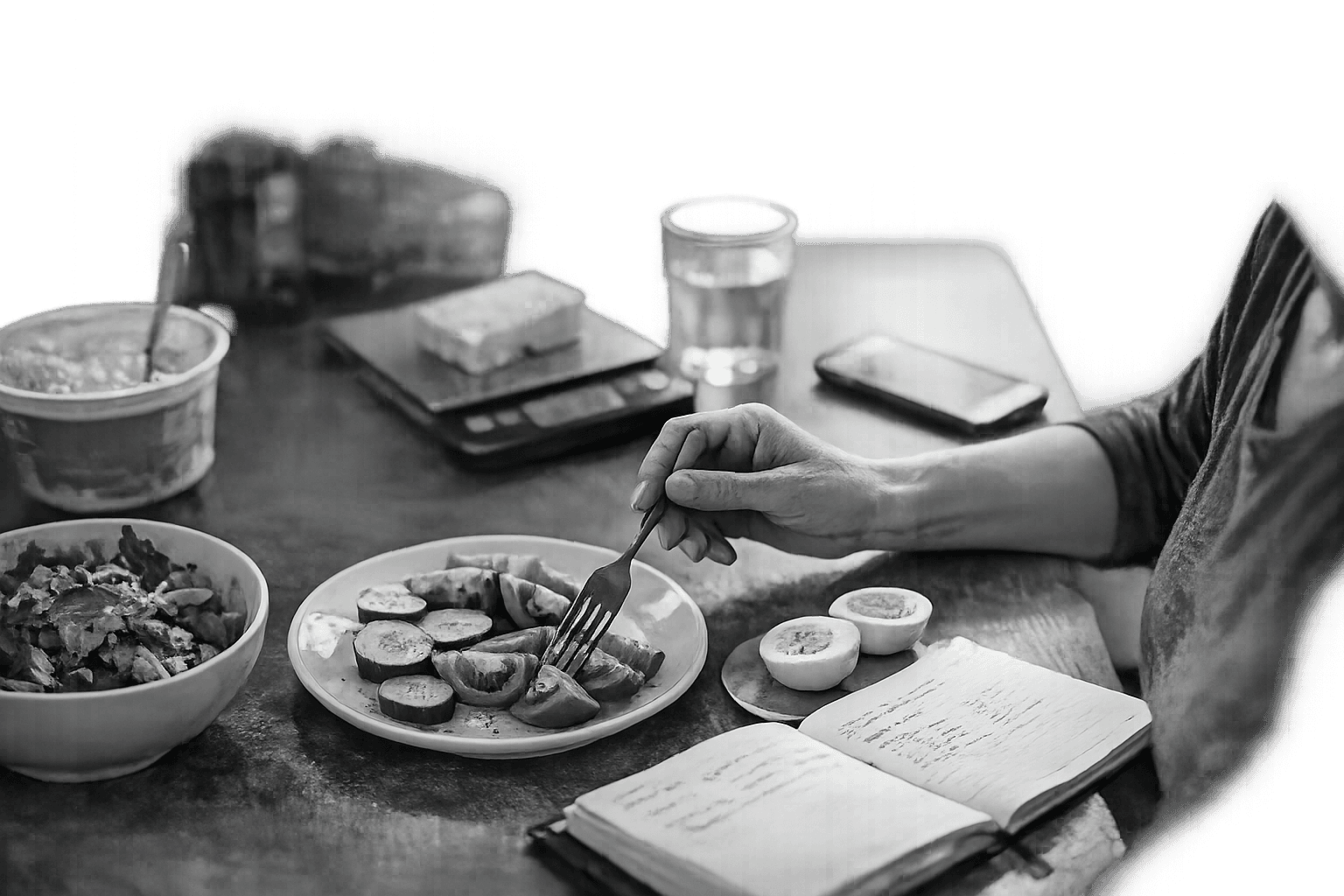
In past fasts, I've found small practical aids helpful toward the end. Salty pickles or pickle water can satisfy salt cravings, although they might contain small amounts of carbohydrates. Packaged soups, despite not being ideal, can serve as a bridge when nearing the fast's end, sometimes containing small pasta pieces. Over time, I've become more pragmatic about these choices, balancing strictness with practicality.
Cucumbers, too, are a simple way to introduce salt, though they should be consumed sparingly due to their carbohydrate content. For this fast, I've prepared these items in advance, storing them out of sight for when the fast concludes.
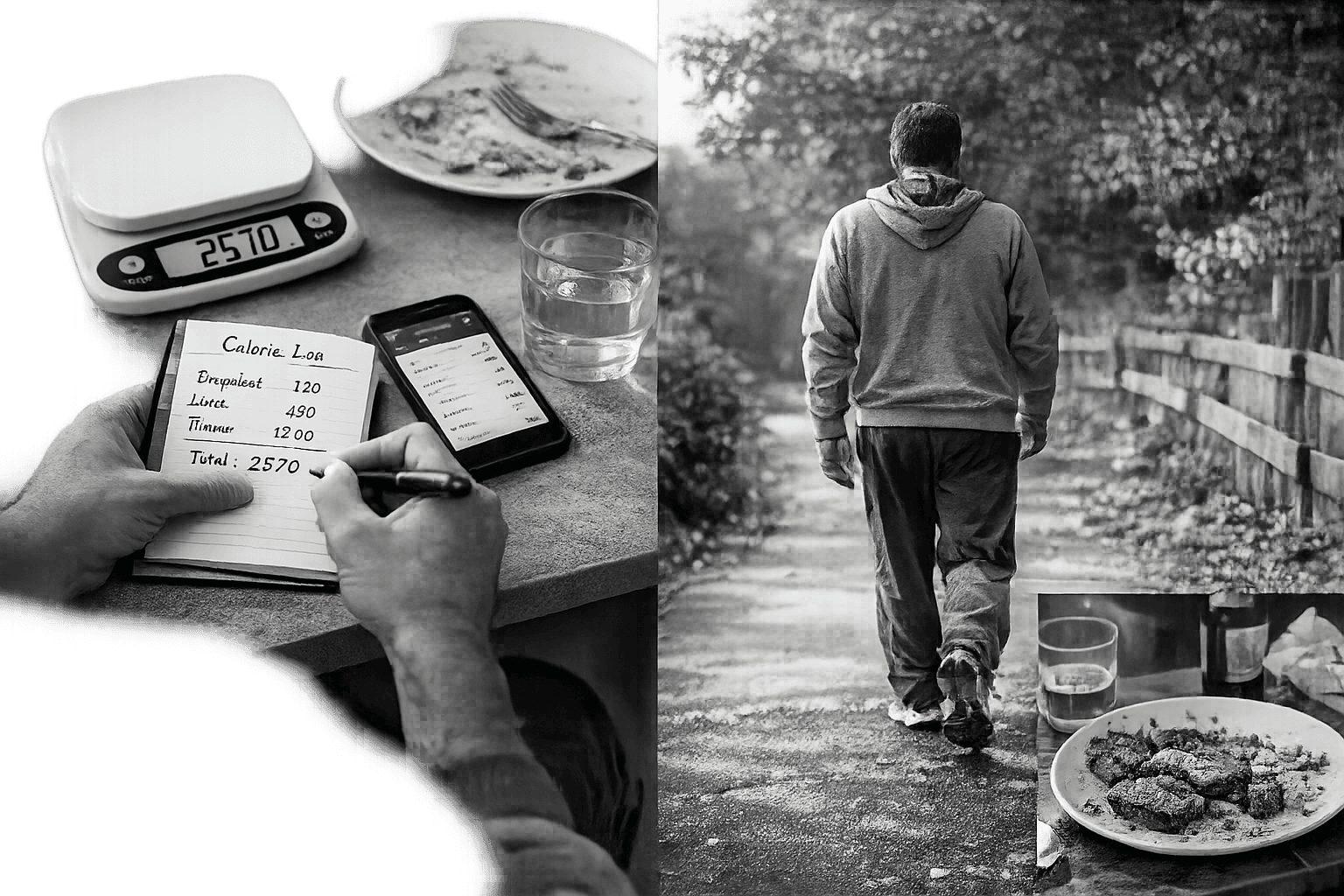
Breaking the fast will involve consuming about 500 calories on the first refeeding day, focusing on a single low-carb meal. This approach makes the fast feel almost like a 72-hour one, with a small, controlled meal introduced around the 60-hour mark. Calorie intake will gradually increase over the following days, moving through stages of 800, 1000, 1200, and up to 1500 calories by the end of the first week. After this transition, daily intake will stabilize between 1500 and 1800 calories for the remainder of the 90-day challenge.
Daily walking, typically burning around 400 calories in a 90-minute session, complements this plan. With an intake of 1500 to 1800 calories and regular walking, the expected daily calorie deficit should be around 500 to 700 calories, supporting steady progress toward the goal weight. The FastNow app will verify these numbers, ensuring the plan is followed, meals are logged, and life continues normally as the process unfolds.
Update: