Loading…
Loading…
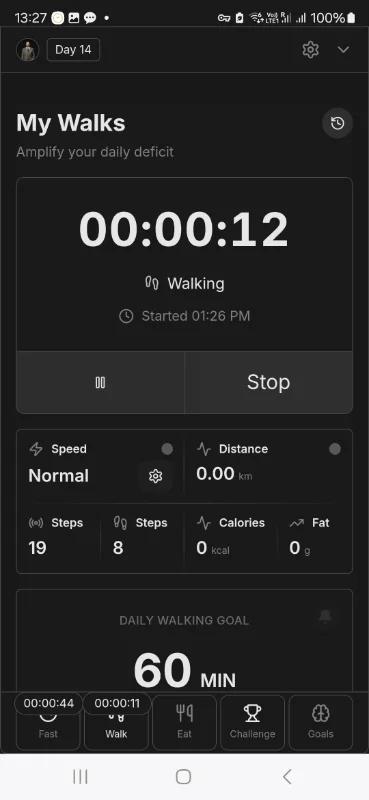
Daily Walking
Phase 3 adds walking. Not as an afterthought but as a daily structure that protects everything you have built.
Why this phase exists Adding intense workouts before you have established the basics is a trap. The effort either burns you out or makes you hungry enough to eat back what you burned. Walking does not do that. It burns 300 to 500 calories on a solid day without spiking hunger, without requiring recovery, without working against your eating plan.
What actually happens You walk daily, ideally 60 to 90 minutes, though even 30 minutes adds up over time. The calories burned expand your effective deficit without needing to eat less. On harder days, walking becomes the buffer that holds the plan together when eating is harder to control. City walks, outdoor routes, long commutes, all of it counts. It just needs to happen.
What to expect You will not feel exhausted. You will not need recovery days. What you will notice: mood improves, energy evens out, and the deficit becomes more resilient. One off-meal does not derail a day that included 90 minutes of walking. The habit builds on itself. The body in motion wants to stay in motion.
Walking does not just support the deficit. It becomes the daily proof that you are still doing it.